Aromatherapy and sleep research is difficult to summarize in one sentence because study designs, oils, doses, delivery methods, populations, and sleep outc
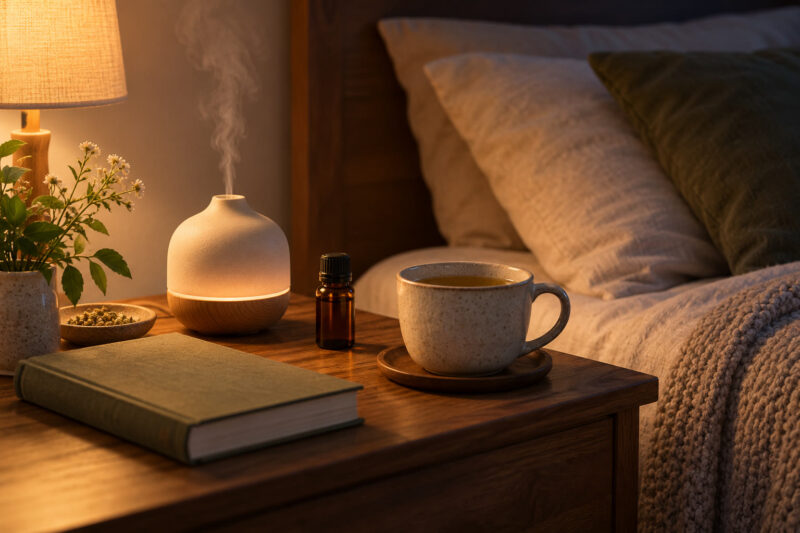
Aromatherapy and sleep research is difficult to summarize in one sentence because study designs, oils, doses, delivery methods, populations, and sleep outc
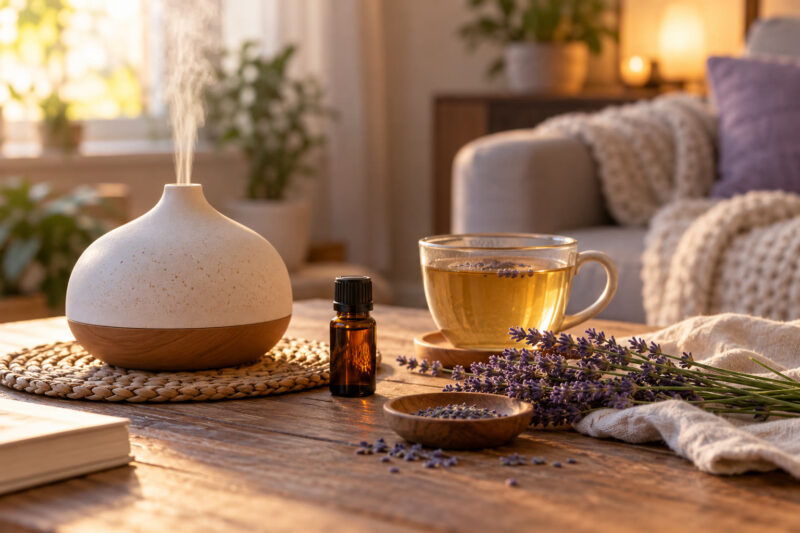
The answer depends on what you mean by relax; a scent may serve as a familiar cue for slowing down, but evidence for treating anxiety or other health condi

Reactions to essential oils can be immediate or delayed, and they may involve more than one aromatic material; the responsible response is to stop adding n
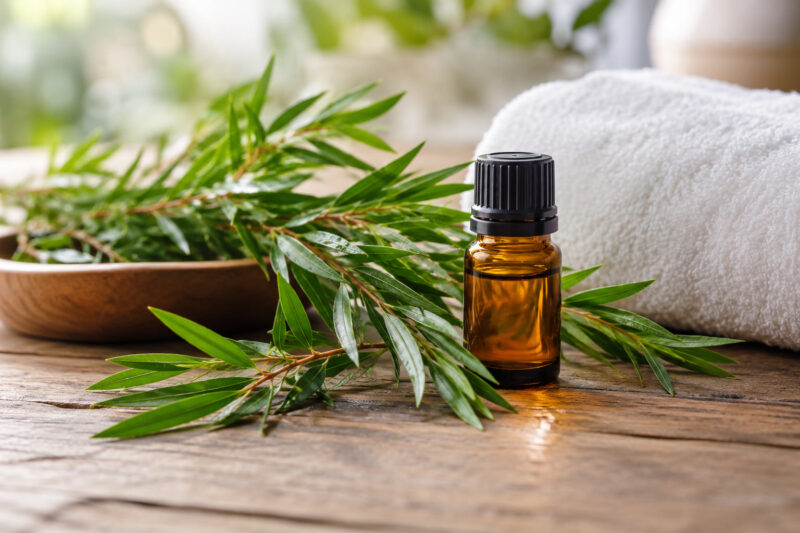
Tea tree oil is often presented as a versatile remedy, but its name doesn’t make it safe for every use; it can irritate skin, is dangerous if swallowed, an
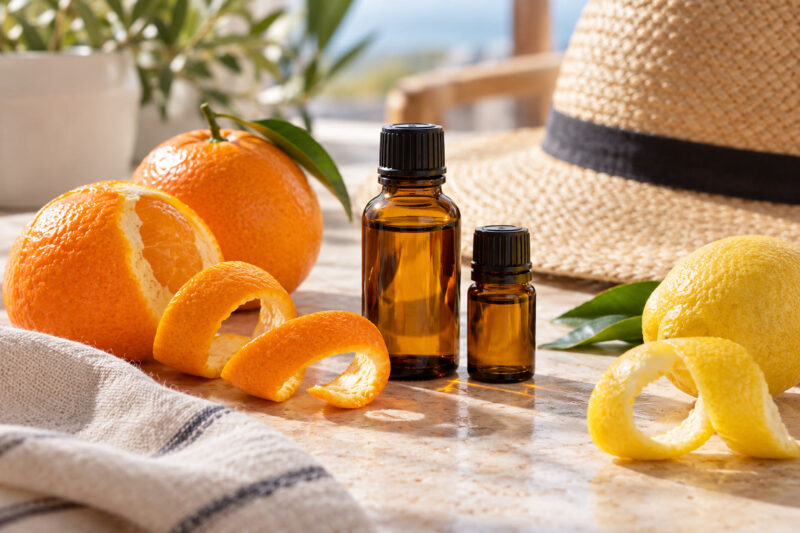
Some citrus essential oils contain compounds that can make skin more sensitive to ultraviolet light; a product can smell fresh and still be a poor choice b
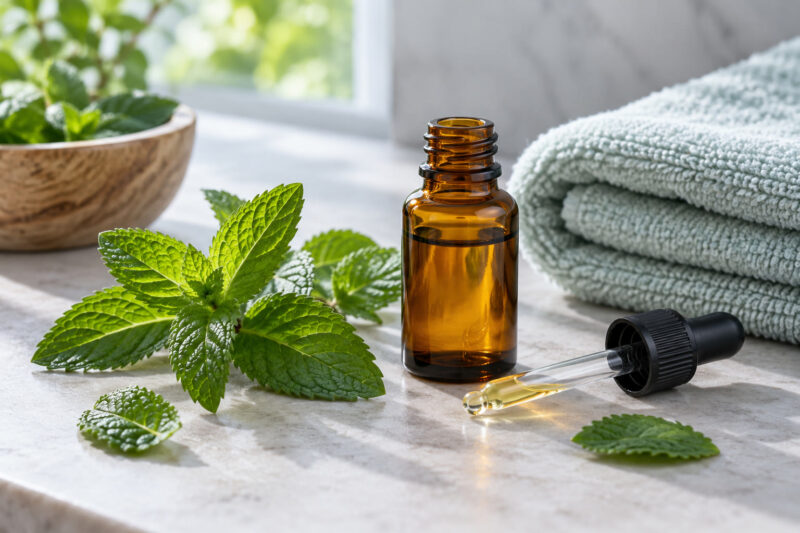
Peppermint oil produces a strong cooling sensation, but that sensation is not a reliable measure of safety; it can irritate skin and especially sensitive a
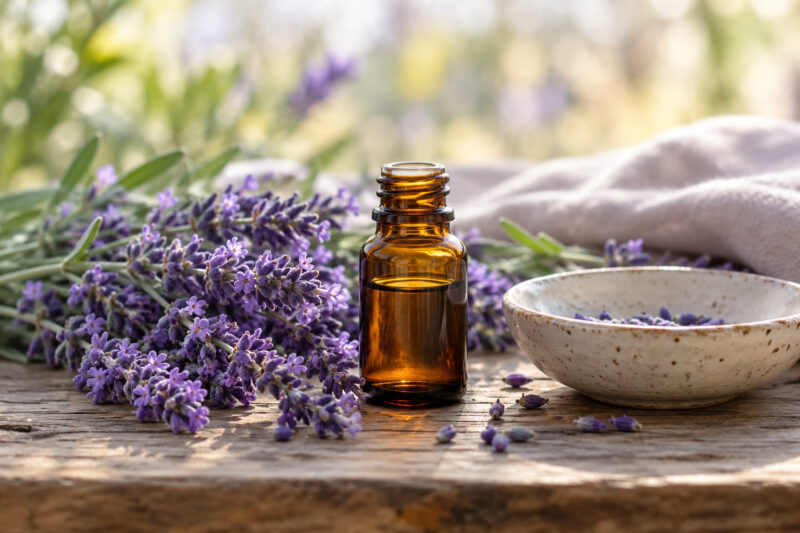
Lavender oil is one of the most recognizable aromatherapy scents and is often associated with relaxation and bedtime routines; those associations are worth
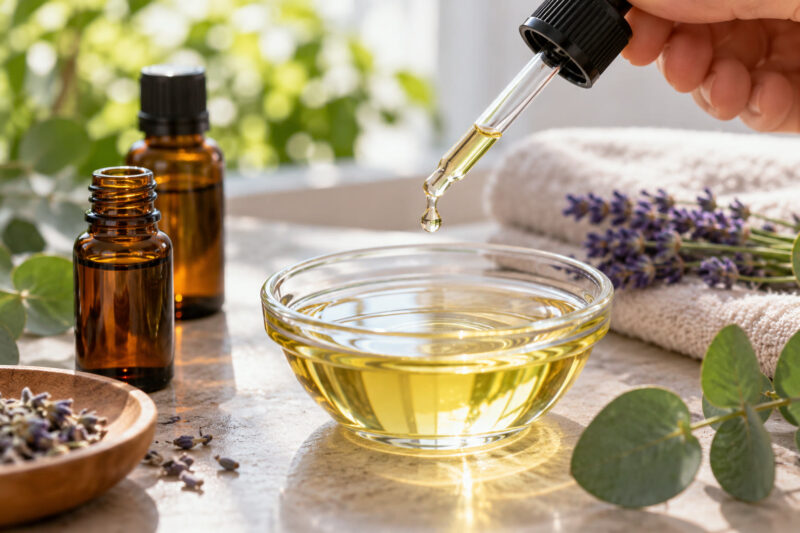
Diluting an essential oil means combining a measured amount with a suitable carrier before skin contact; the important part is not a fashionable ratio alon
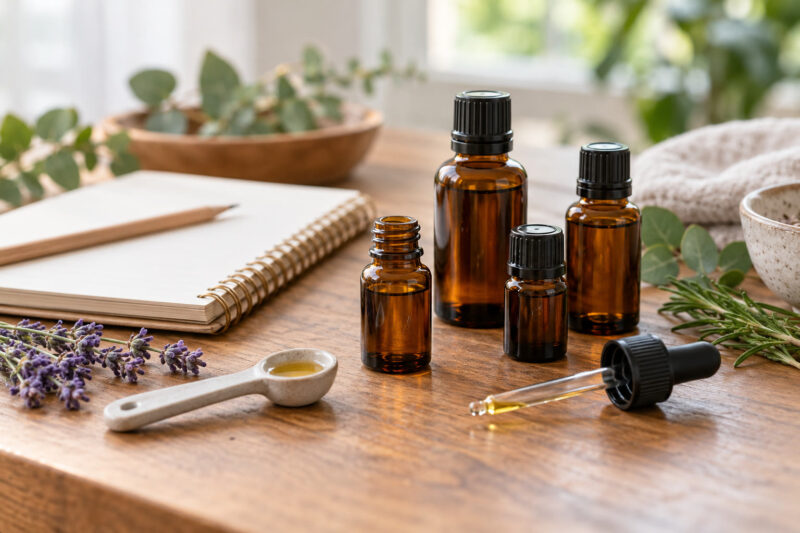
Essential oils are concentrated plant-derived aromatic materials, not interchangeable substitutes for medicine or ordinary carrier oils; a cautious first a