A familiar scent can serve as a reminder of a pause, a place, or a time of day; that is a meaningful cue for many people, but it’s different from a treatme
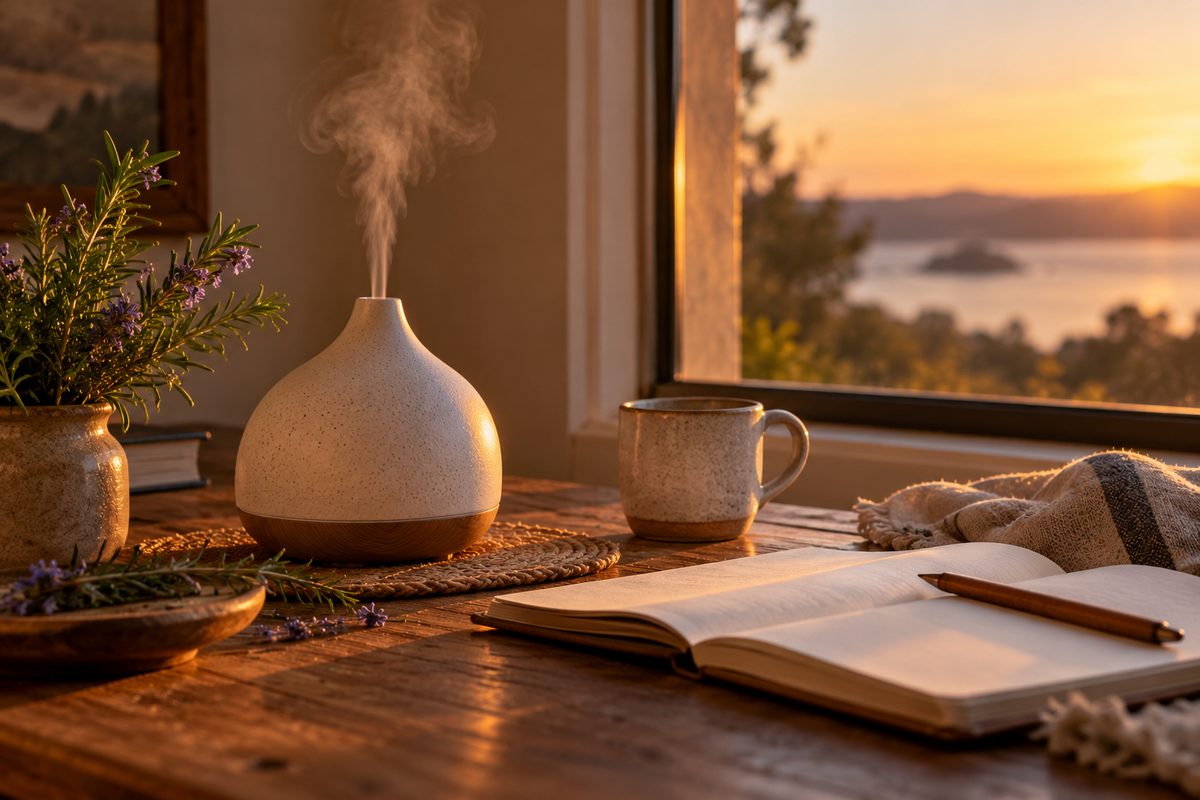
A familiar scent can serve as a reminder of a pause, a place, or a time of day; that is a meaningful cue for many people, but it’s different from a treatme

An evening scent routine works best as a short transition cue: a familiar aroma, lower light, and a clear stopping point; it should not turn the bedroom in
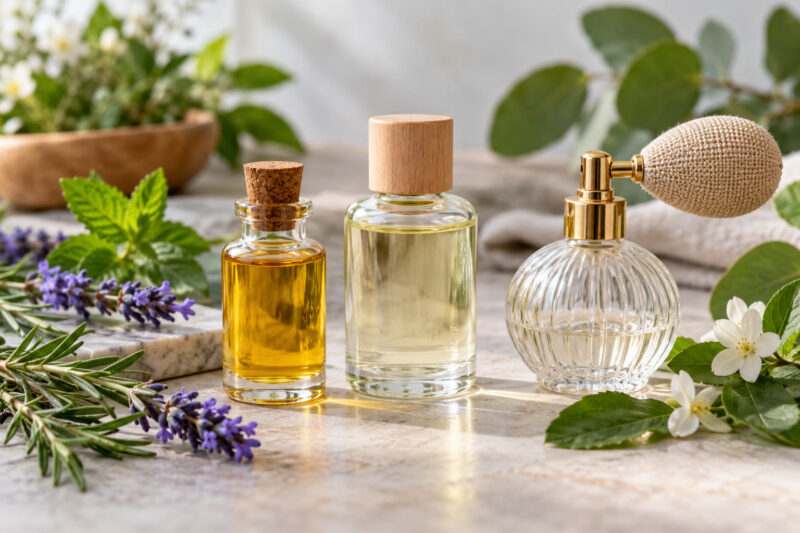
Fragrance oils and essential oils both provide scent, but they are not interchangeable categories; essential oils are concentrated aromatic materials deriv
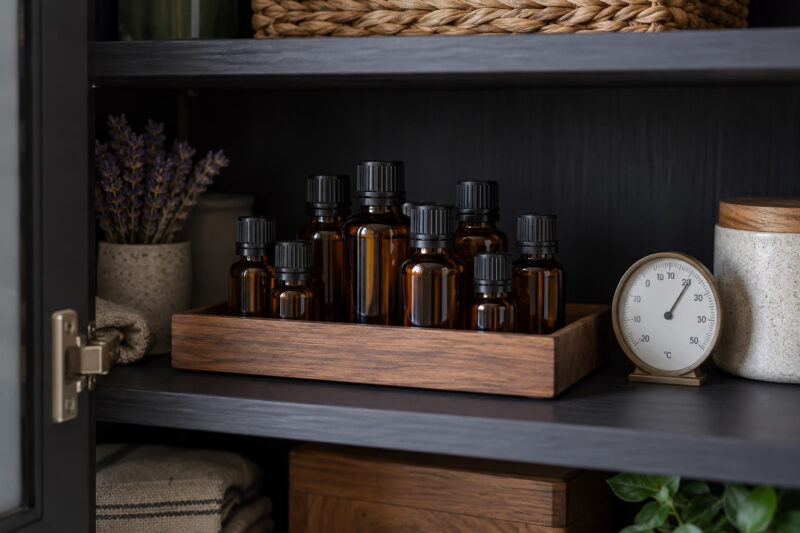
Proper storage protects essential oil quality, makes the bottle easier to identify, and reduces accidental exposure. The basics are a dark, cool place, a
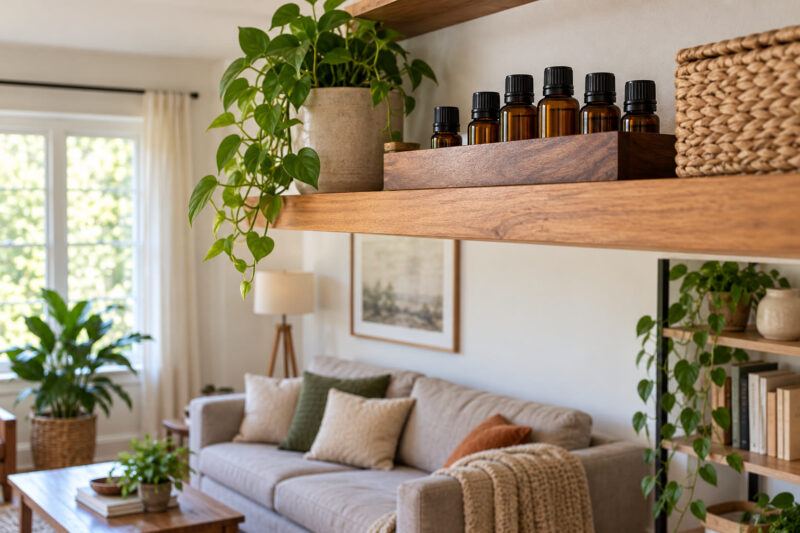
Children and pets can be especially vulnerable to concentrated oils because of body size, behavior, and different routes of exposure; a scent that works in
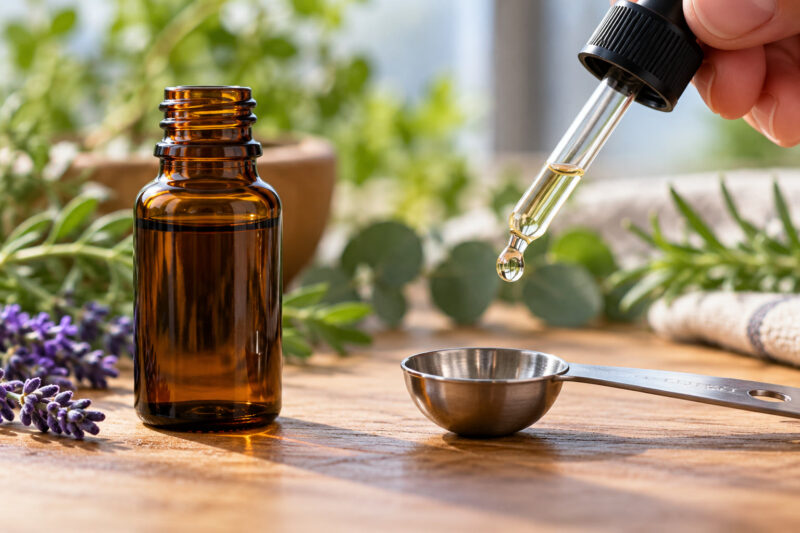
Essential oils are concentrated materials, so increasing the amount increases both scent and exposure; more oil doesn’t reliably improve the intended exper
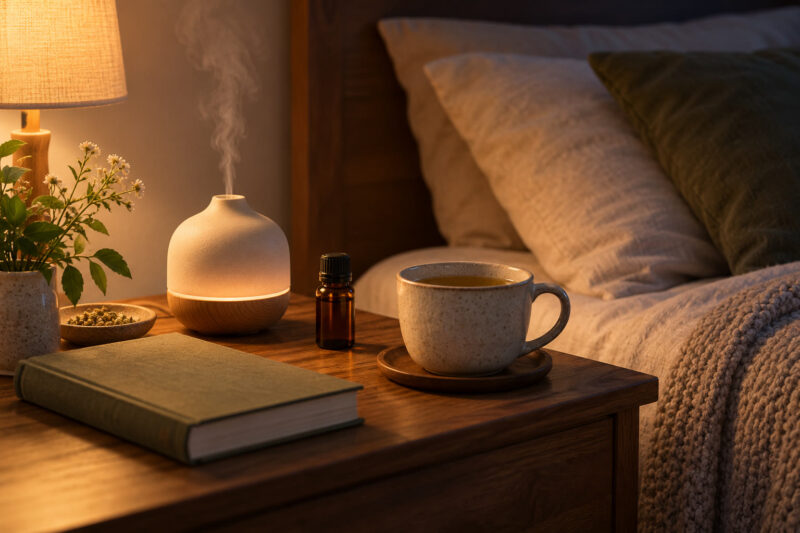
Aromatherapy and sleep research is difficult to summarize in one sentence because study designs, oils, doses, delivery methods, populations, and sleep outc
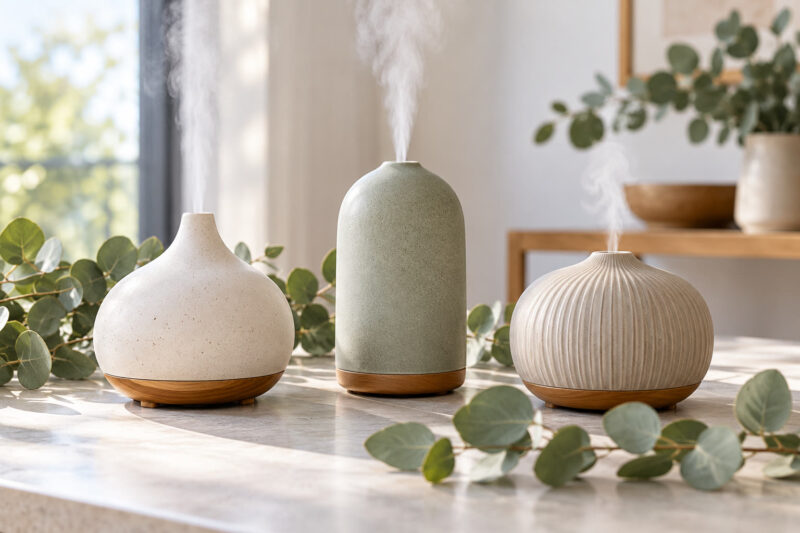
A diffuser is a dispersal device, not a way to make an essential oil treatment stronger; choosing one is mainly about a controllable session length, easy c
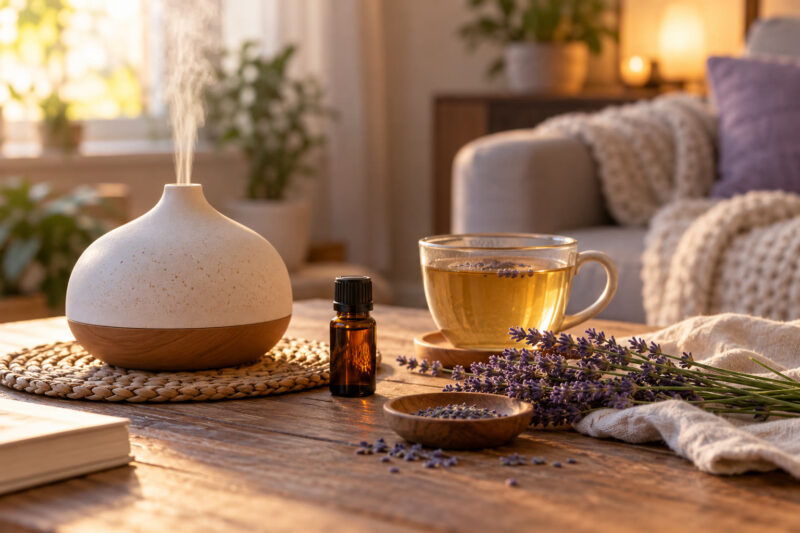
The answer depends on what you mean by relax; a scent may serve as a familiar cue for slowing down, but evidence for treating anxiety or other health condi
Reactions to essential oils can be immediate or delayed, and they may involve more than one aromatic material; the responsible response is to stop adding n