Choosing soap for sensitive skin is less a search for a perfect label than a lesson in reducing uncertainty. A product associated with comfort in one pers
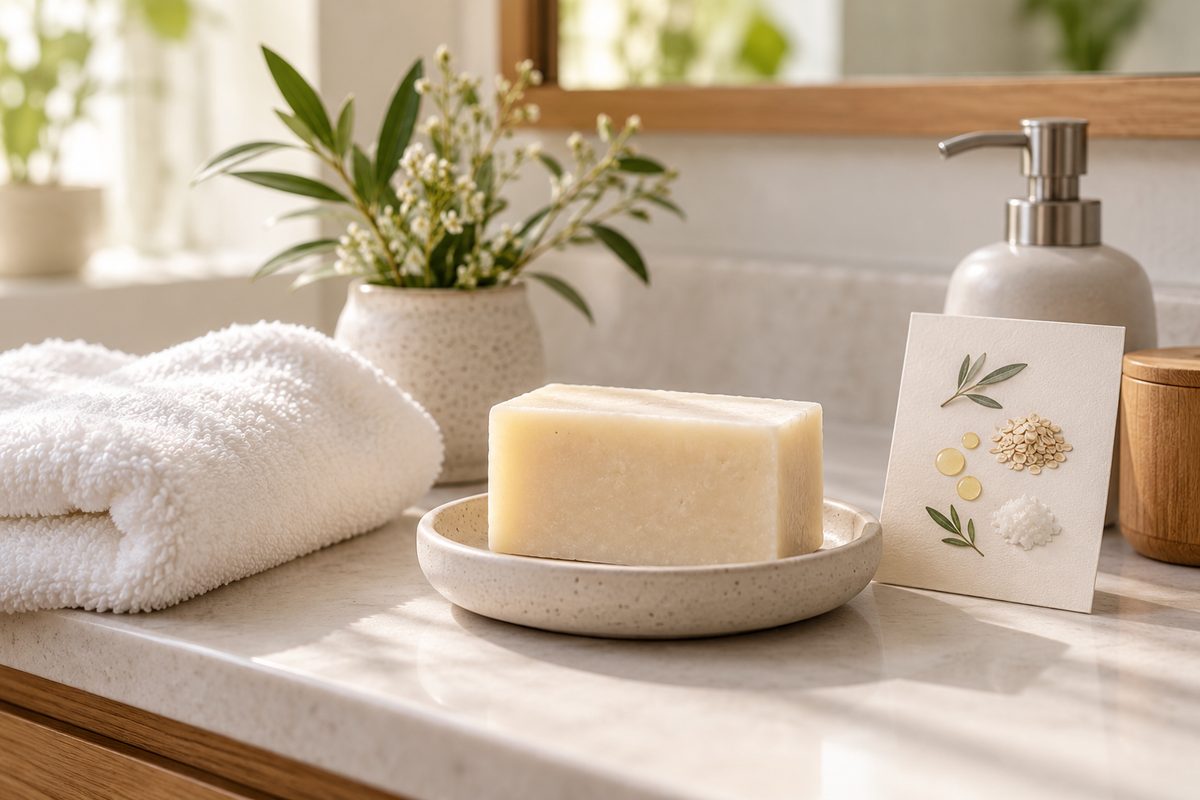
Choosing soap for sensitive skin is less a search for a perfect label than a lesson in reducing uncertainty. A product associated with comfort in one pers
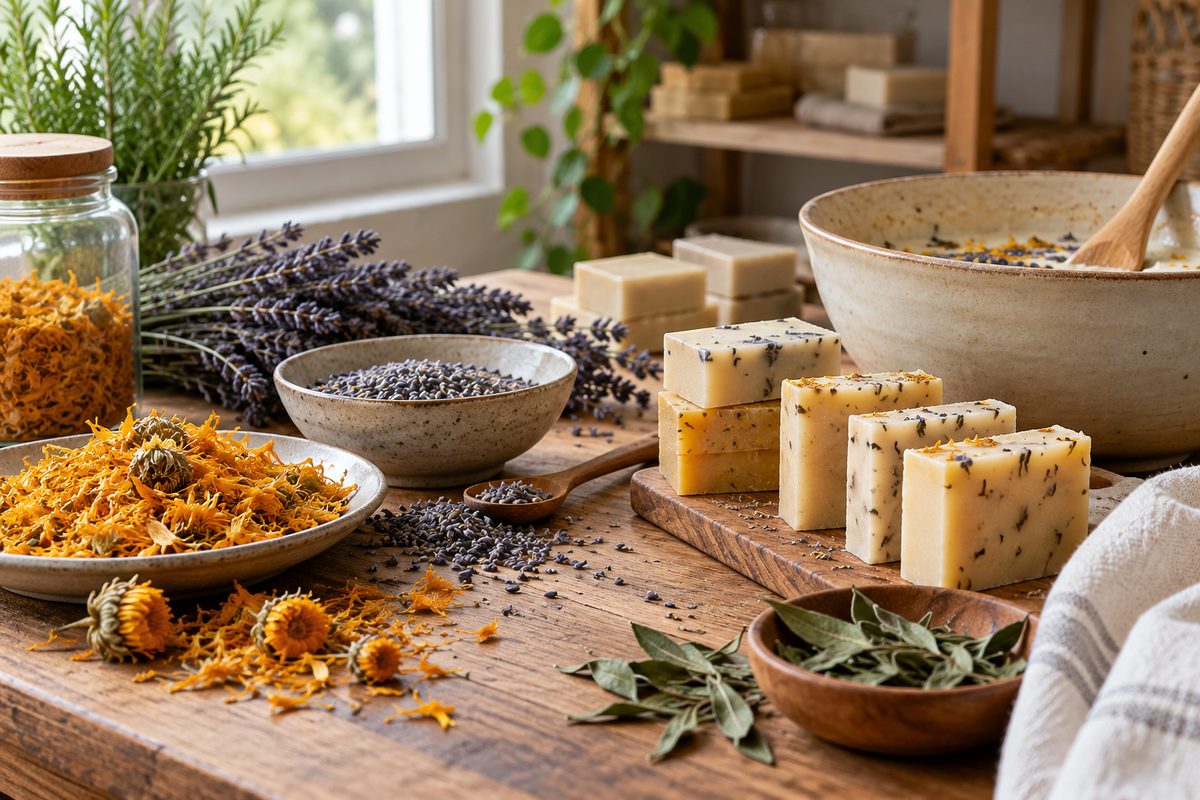
Botanicals can add color, texture, and a point of interest to handmade soap, but plant material is not automatically gentle or safe; the quantity, preparat
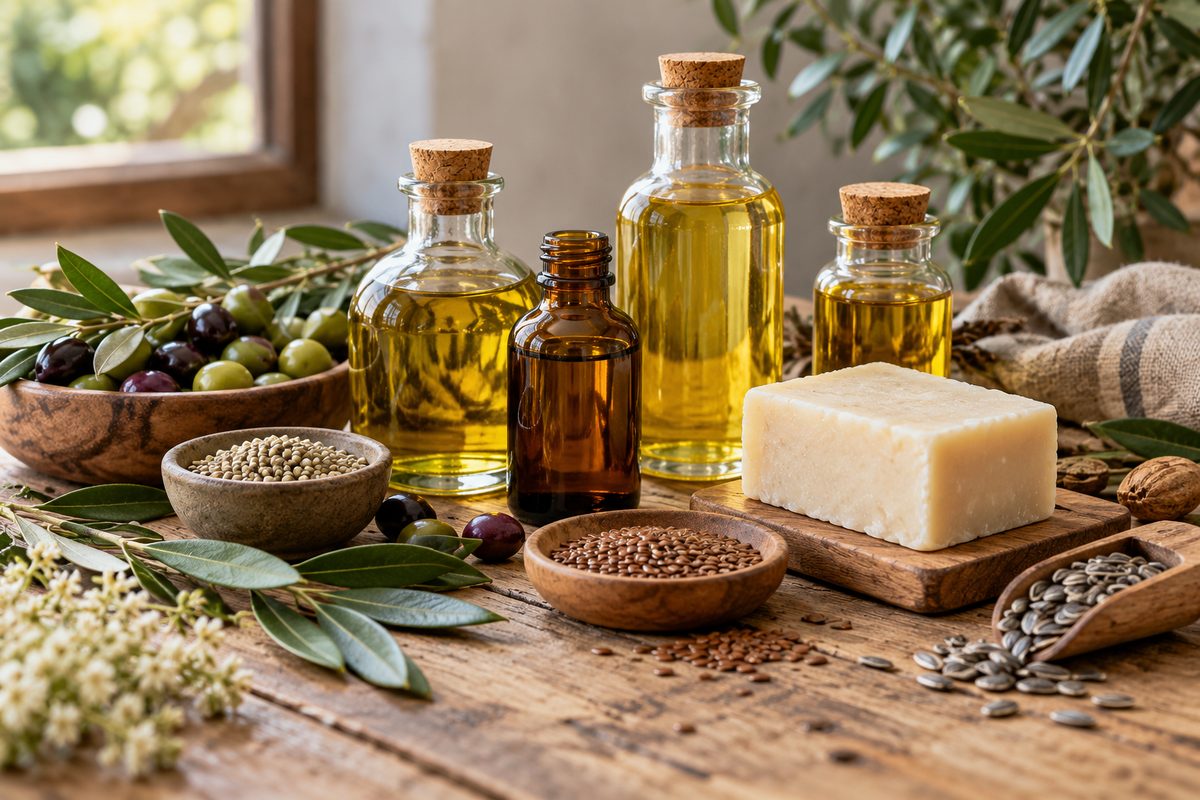
Plant oils are not automatically sustainable because they come from plants; their impact depends on how the crop is grown, processed, transported, and used
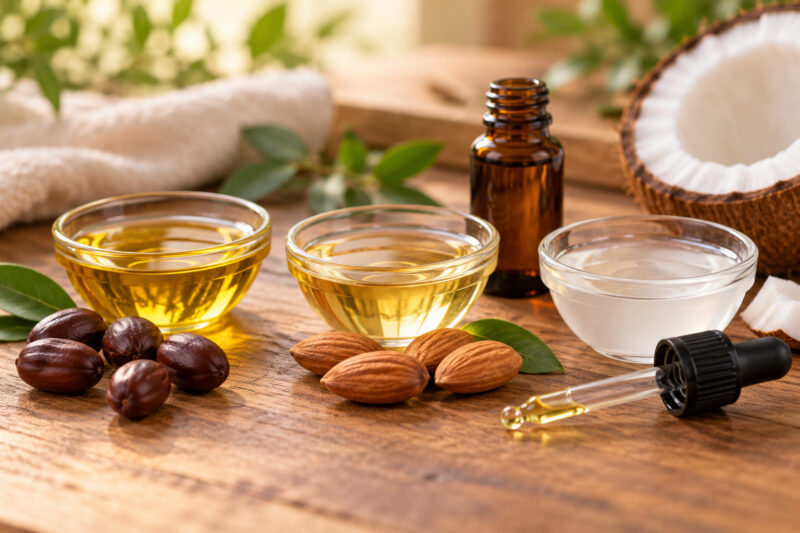
Carrier oils are plant-derived oils used to dilute essential oils or to support a skin-care formula; they are not just “blank” liquids: their texture, stab

Essential oils do not dissolve neatly in water, and a hot bath can increase skin exposure; products designed for bathing have a formula, packaging, and dir
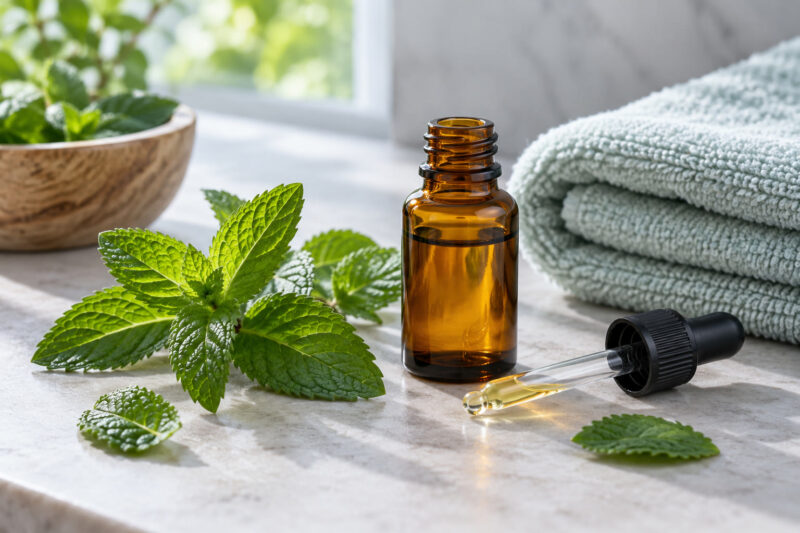
Peppermint oil produces a strong cooling sensation, but that sensation is not a reliable measure of safety; it can irritate skin and especially sensitive a
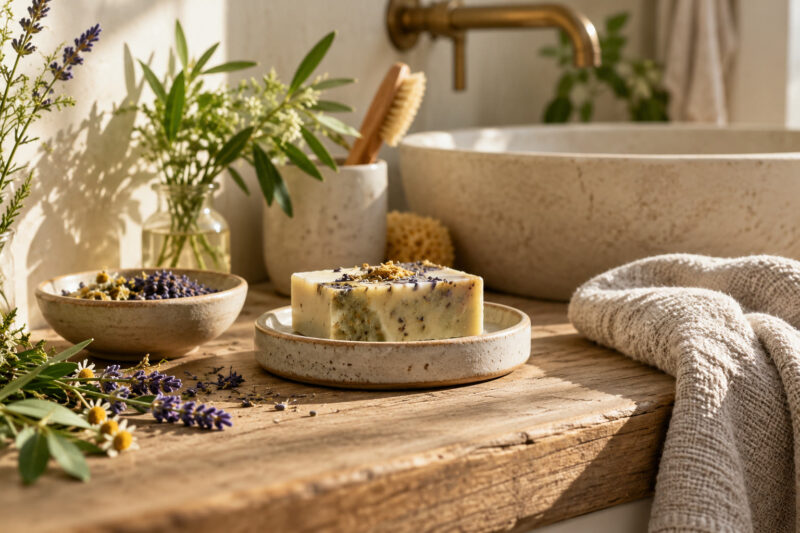
A thoughtful organic soap routine is less about collecting “clean” products and more about finding a cleanser you can use comfortably, store well, and repl
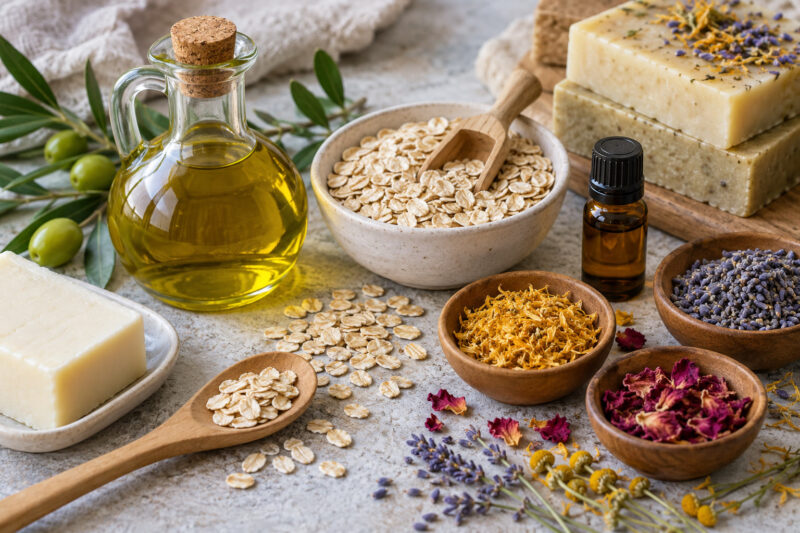
When skin feels dry after washing, changing the moisturizer is only one option; the soap, water temperature, wash time, and the way the bar is used can all
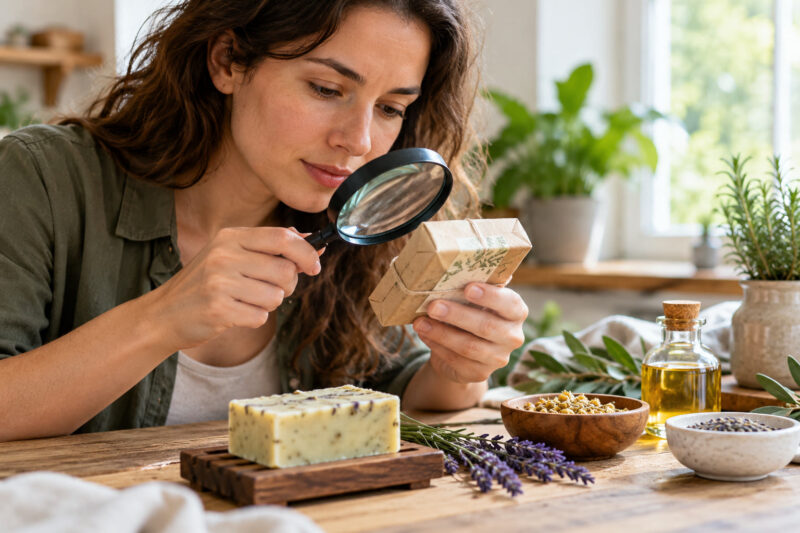
An organic symbol on a soap label can be meaningful, but it rarely means the same thing as an organic food label; the claim may apply to a farm ingredient,
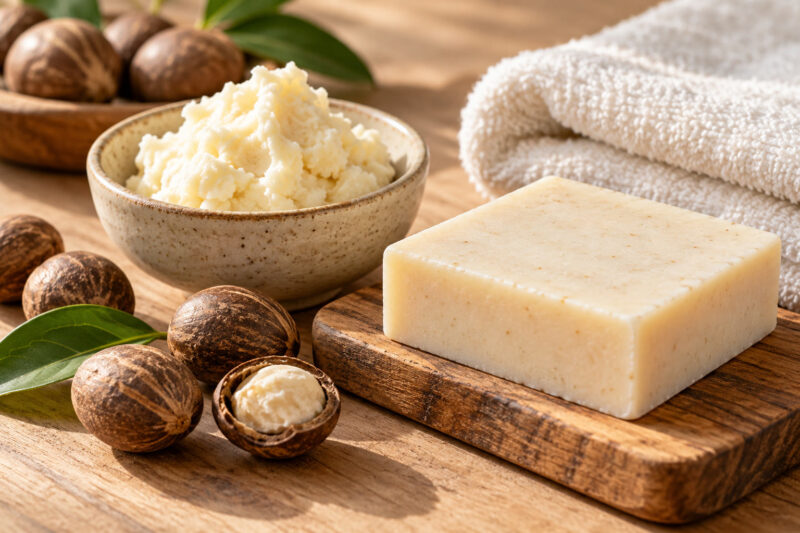
Shea butter gives handmade soap a rich, creamy texture and can make a bar feel more conditioning, but it’s not a replacement for lotion; the percentage in