You’re looking for clear advice on tea tree oil, and strong claims can make a simple choice feel complicated. That confusion can lead to unnecessary exposure, wasted money, or expectations a product can’t meet. The useful question is how the scent is used, who may be affected, and what the evidence can support. This guide shows you how to check those details and choose a cautious next step.
The label may be more limited than the folklore
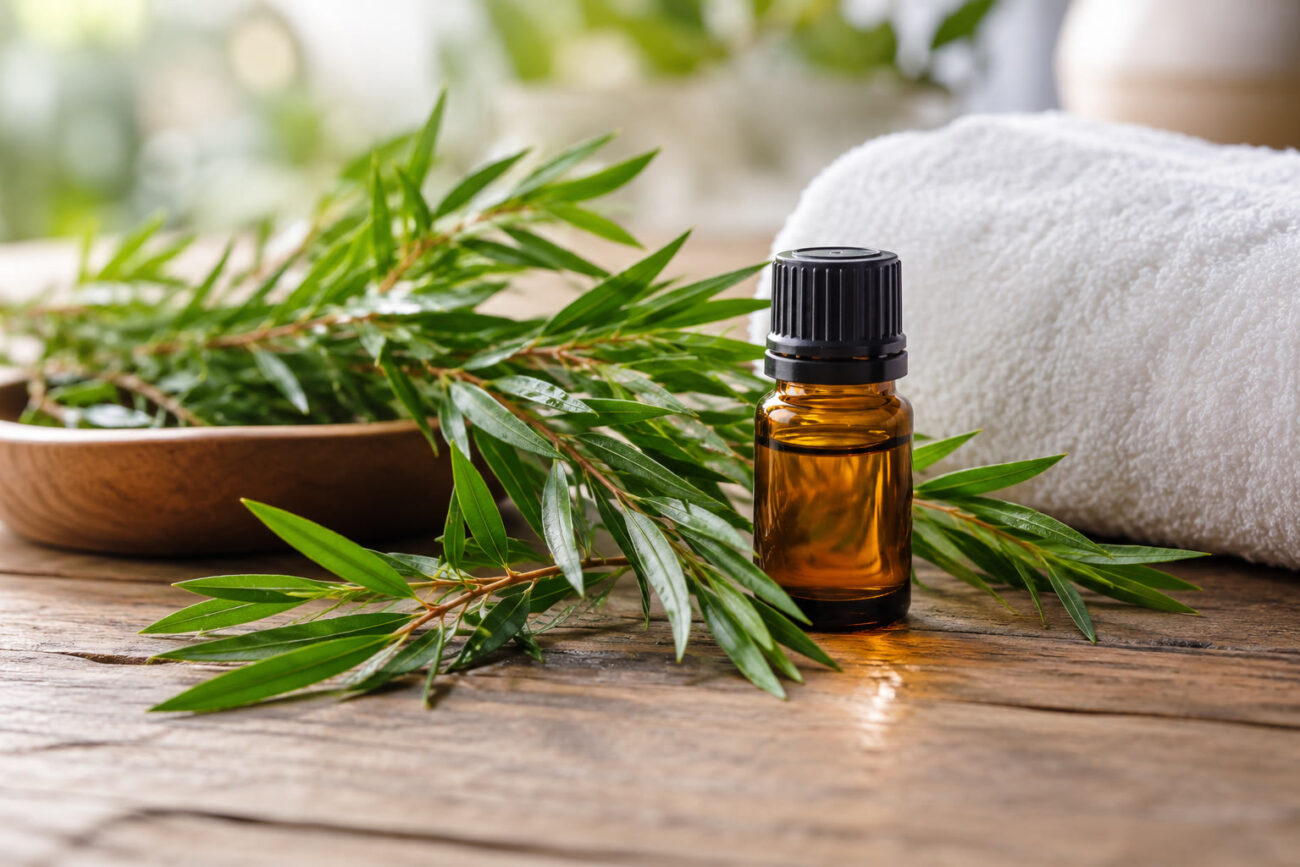
Tea tree oil is a concentrated aromatic material with a characteristic medicinal smell. Some products are intended for diluted topical use, while others should remain in a bottle and away from skin. Read the actual directions rather than borrowing advice from a different oil.
Skin concerns need a cautious approach
A red, painful, or spreading skin problem can have many causes. Applying an essential oil may delay appropriate care and obscure what is happening. don’t put tea tree oil on wounds, broken skin, or sensitive areas without professional guidance specific to that situation.
Internal use isn’t an ordinary remedy
Swallowing essential oils can cause serious harm. Keep bottles tightly closed, store them out of reach of children and pets, and never add tea tree oil to drinking water or food. If ingestion occurs, contact local poison-control services immediately.
Useful claims require precise evidence
Tea tree is often described using broad words such as antibacterial or antifungal, but those labels don’t mean every finished product is an effective treatment. Concentration, formulation, contact time, and intended use matter, and a pleasant botanical option still needs a cautious trial.
What question deserves a closer look?
The aim of this guide isn’t to hand you a verdict about this aromatherapy question, but to make the reasoning behind a sound choice visible. For this aromatherapy question, that objective is deliberately practical: it asks for reasoning rather than memorization and leaves room for context to matter.
The lesson belongs to the Essential Oils & Aromatherapy desk, where the central question is the relationship among botanical identity, concentration, route, duration, and personal tolerance. With this aromatherapy question, start with the purpose of the decision, then distinguish what is directly observable from what you’re inferring. For this aromatherapy question, that discipline matters because a familiar scent or a plant origin doesn’t establish medical effectiveness or universal safety.
How can you tell this approach is working?
You have understood this aromatherapy question when you can name the outcome you want, point to the information that supports the next step, and state what you would do if the evidence or your experience contradicted the expectation. That three-part answer is more reliable than repeating a slogan.
How can you interpret the choice?
A strong analysis of this aromatherapy question asks what the choice is for, which evidence is genuinely relevant, and whether the resulting recommendation survives ordinary use. The checkpoints for this particular lesson are the label may be more limited than the folklore, skin concerns need a cautious approach, internal use isn’t an ordinary remedy.
The central concept in this aromatherapy question is the relationship among botanical identity, concentration, route, duration, and personal tolerance. For this aromatherapy question, that framing matters because it prevents a single feature from carrying more meaning than it can bear. You may notice the botanical name, the stated route of use, and the response during a brief exposure when considering this aromatherapy question, but each observation supports a different kind of conclusion. Your analytical task with this aromatherapy question is to keep those conclusions proportional to the evidence rather than letting a vivid detail dominate the whole judgment.
In the classroom, work with a labeled essential-oil product and its intended route of exposure for this aromatherapy question. Ask what the comparison is meant to establish before asking which option sounds more appealing.
What the evidence can and can’t settle
A familiar scent or a plant origin doesn’t establish medical effectiveness or universal safety. For this aromatherapy question, this limitation isn’t a reason to ignore the lesson. it’s the reason the lesson must explain conditions, mechanisms, and uncertainty. Strong guidance tells you what would make a recommendation more or less applicable instead of presenting one outcome as universal.
For this aromatherapy question, inspect where a statement comes from and whether it concerns the same material, exposure, population, and outcome as your question. A useful source should help you interpret the decision about this aromatherapy question, not merely lend authority to a conclusion that was already chosen. If a claim can’t be connected to your intended use, it deserves less weight in the final judgment.
Before leaving this lesson on this aromatherapy question, return to the decision once more with a calm, practical standard. For this question, notice what you now understand, what remains uncertain, and which small observation would make the next step about this aromatherapy question more defensible. The caring choice regarding this aromatherapy question is to act provisionally, review honestly, and leave room for what ordinary experience reveals.
Respect the bottle’s limits
Tea tree oil can be avoided easily when its risk doesn’t match the need. Keep it away from ingestion and broken skin, follow the label, and ask for proper care when a symptom is persistent or severe.
How can you put this into practice?
What should you check before using a scent?
Pick one product you’re considering and start with its label rather than a broad claim about the ingredient. Write down where the maker says to use it, how it should be applied, and who else may share the space. Keep the trial small enough that you can stop easily if the scent feels uncomfortable. Note the room and duration so you can make a fair decision about whether the routine suits you.
- Check the product’s intended use.
- Note the directions and stated precautions.
- Choose a clear stop point before you begin.
For more practical context, explore Peppermint Oil and Skin: Important Precautions and Essential Oil Allergies: Signs to Watch For. Browse the Essential Oils & Aromatherapy desk for the wider cluster.
Reference: National Center for Complementary and Integrative Health: Aromatherapy.
Take 10 minutes to read one scent product’s label and note its intended use and one precaution. What will you check before using it?
