Reactions to essential oils can be immediate or delayed, and they may involve more than one aromatic material; the responsible response is to stop adding n

Reactions to essential oils can be immediate or delayed, and they may involve more than one aromatic material; the responsible response is to stop adding n
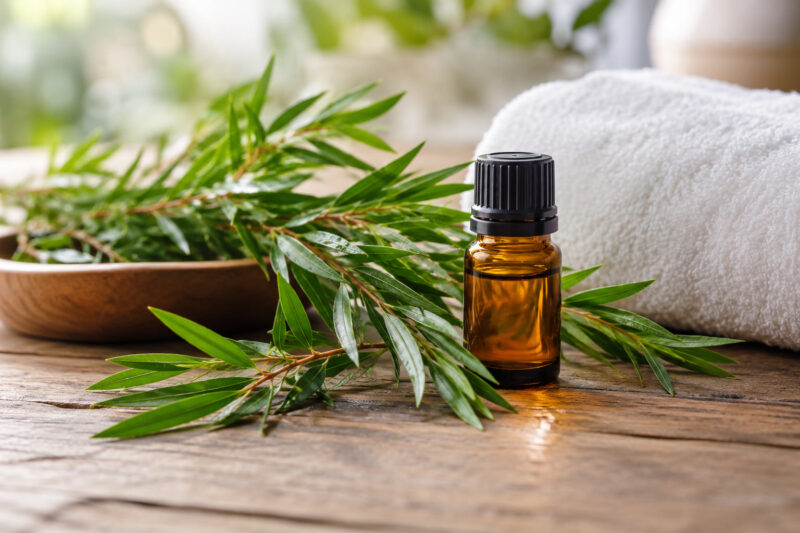
Tea tree oil is often presented as a versatile remedy, but its name doesn’t make it safe for every use; it can irritate skin, is dangerous if swallowed, an
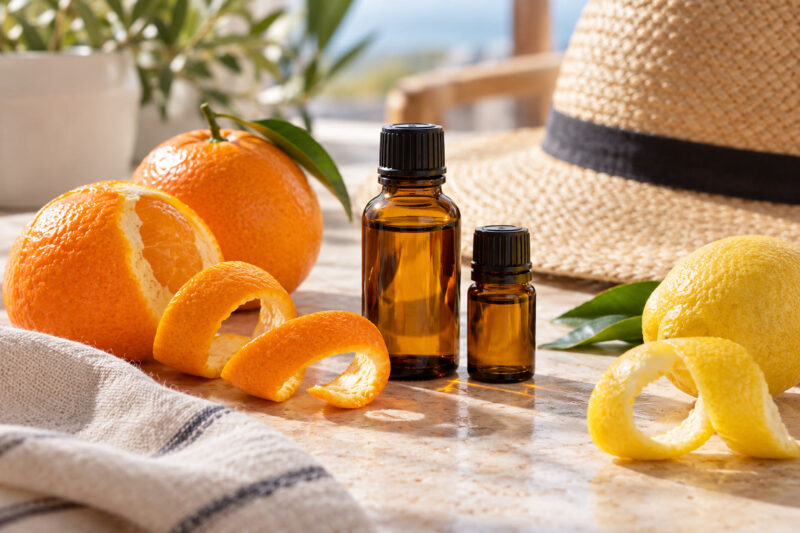
Some citrus essential oils contain compounds that can make skin more sensitive to ultraviolet light; a product can smell fresh and still be a poor choice b
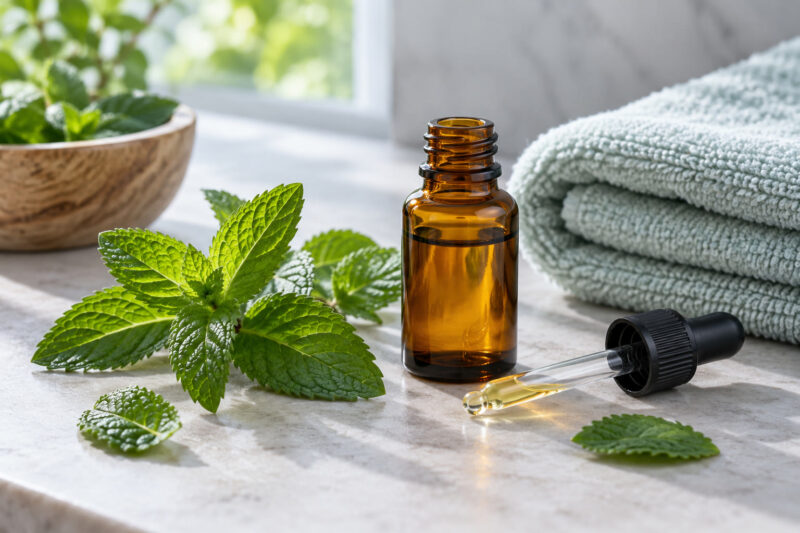
Peppermint oil produces a strong cooling sensation, but that sensation is not a reliable measure of safety; it can irritate skin and especially sensitive a
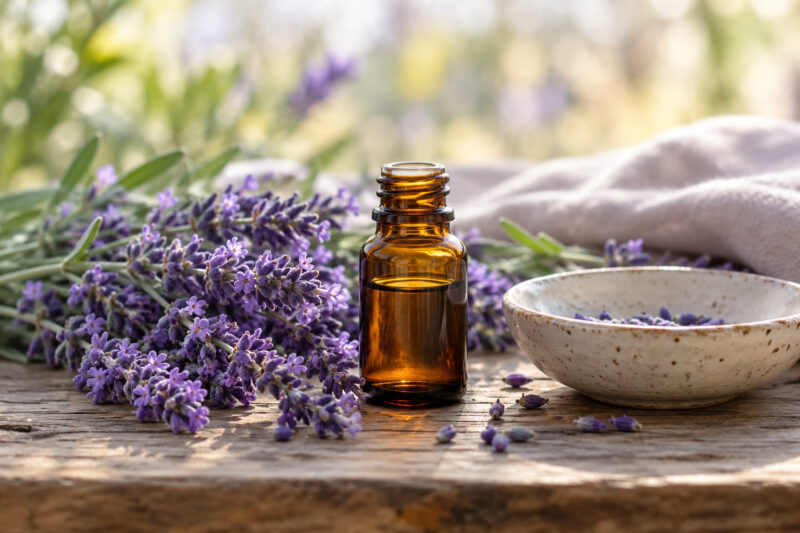
Lavender oil is one of the most recognizable aromatherapy scents and is often associated with relaxation and bedtime routines; those associations are worth
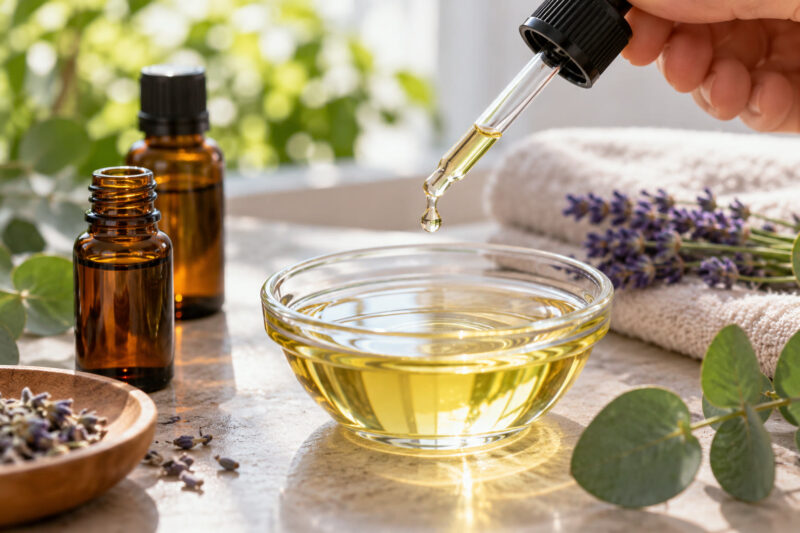
Diluting an essential oil means combining a measured amount with a suitable carrier before skin contact; the important part is not a fashionable ratio alon
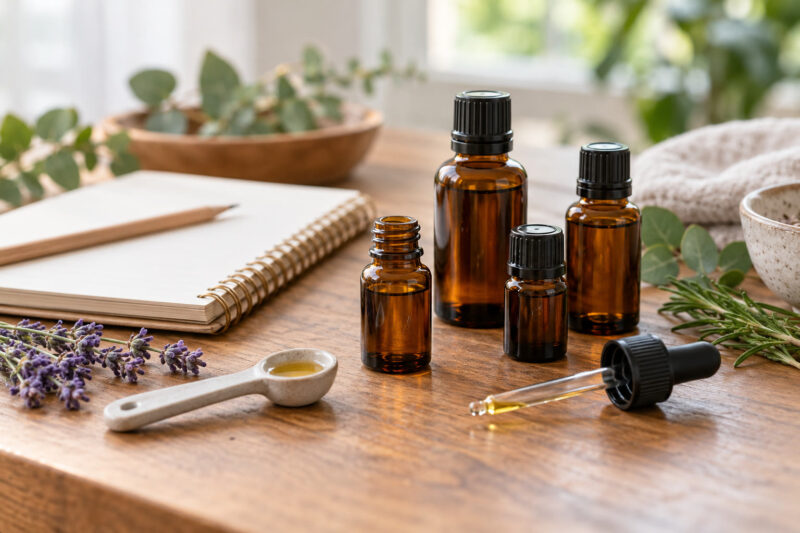
Essential oils are concentrated plant-derived aromatic materials, not interchangeable substitutes for medicine or ordinary carrier oils; a cautious first a

A thoughtful organic soap routine is less about collecting “clean” products and more about finding a cleanser you can use comfortably, store well, and repl

A short ingredient list can make a product easier to compare, but fewer ingredients do not automatically make it safer or gentler; the useful advantage is

A household can need more than one soap, especially when people have different skin sensitivities, scent preferences, and washing habits; the practical goa