A brief, mild reaction to a new product may settle after you stop using it; persistent, painful, spreading, or recurring irritation is a reason to seek qua

A brief, mild reaction to a new product may settle after you stop using it; persistent, painful, spreading, or recurring irritation is a reason to seek qua
Water is essential to the skin’s surface, but too much water contact and poor moisture retention can both feel uncomfortable; the practical question is how
A stinging product is a signal to stop and remove it, not a challenge to see how long the skin can endure; the first response is dilution or rinsing with w
After exercise, the skin may be covered in sweat, sunscreen, pool water, or dust; the practical response is to rinse or cleanse without turning post-workou
Scrubbing can remove dead skin cells and create a temporary smooth feeling, but more pressure, more grit, or more frequent exfoliation can leave the skin i

Dryness after a shower is often shaped by the whole routine rather than by one product; water temperature, shower length, cleanser, towel use, and the time
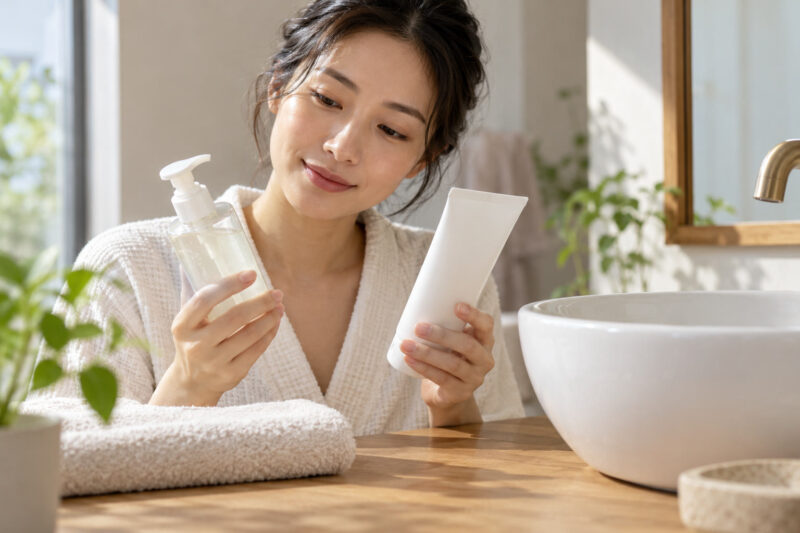
When skin is reactive, the best cleanser is not necessarily the one with the longest list of soothing ingredients; a clearer formula, short contact time, a
A moisturizer can make skin feel more comfortable and help reduce water loss, but formulas work in different ways; the useful product is one that fits your
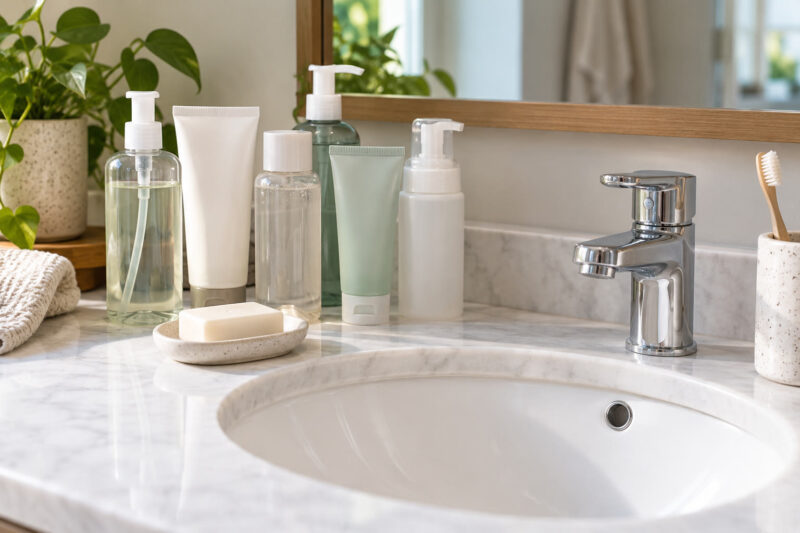
Over-cleansing can mean using a strong product too often, leaving it on too long, scrubbing too hard, or washing areas that do not need it; the result can
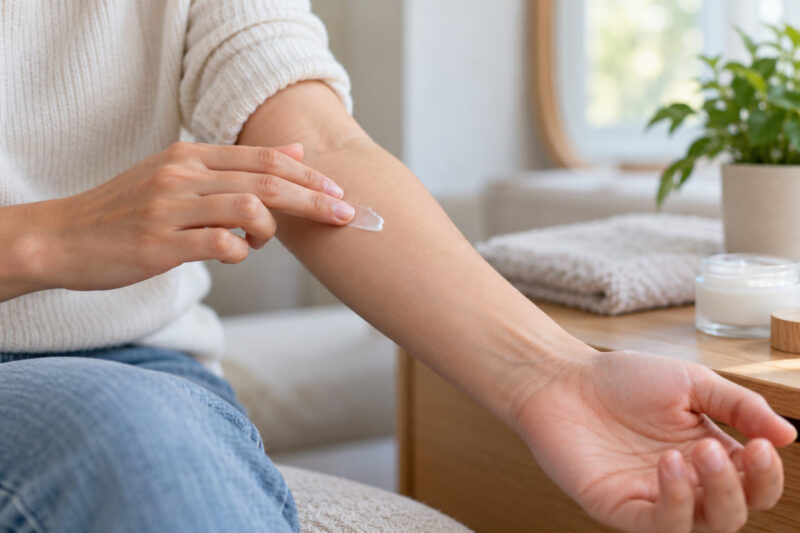
A patch test is a small, controlled way to introduce a new product rather than learning about a reaction across your whole face or body; it can’t predict e