An essential oil label is most useful when it tells you more than the scent name; look for the botanical name, plant part, supplier or batch information, i
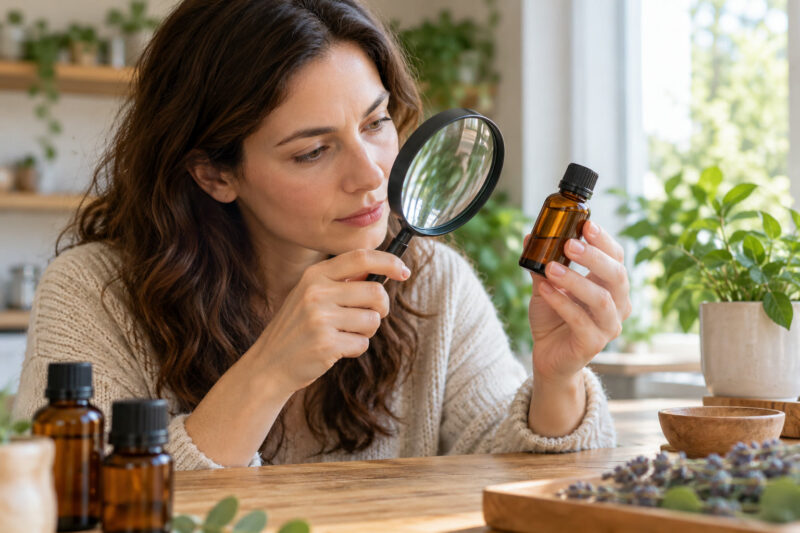
An essential oil label is most useful when it tells you more than the scent name; look for the botanical name, plant part, supplier or batch information, i
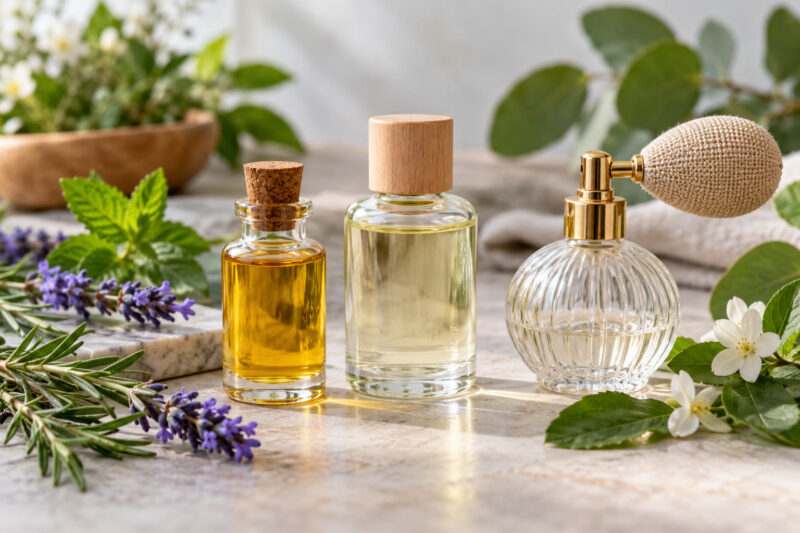
Fragrance oils and essential oils both provide scent, but they are not interchangeable categories; essential oils are concentrated aromatic materials deriv

Essential oils do not dissolve neatly in water, and a hot bath can increase skin exposure; products designed for bathing have a formula, packaging, and dir
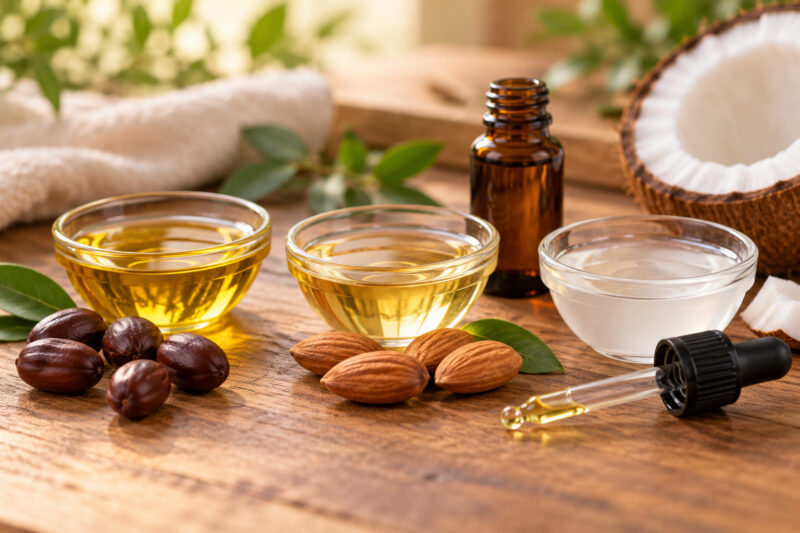
Carrier oils are plant-derived oils used to dilute essential oils or to support a skin-care formula; they are not just “blank” liquids: their texture, stab
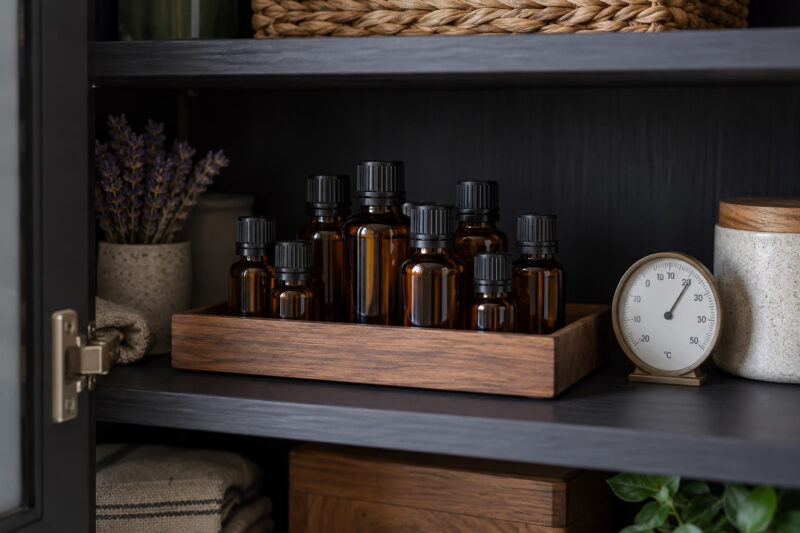
Proper storage protects essential oil quality, makes the bottle easier to identify, and reduces accidental exposure. The basics are a dark, cool place, a

Children and pets can be especially vulnerable to concentrated oils because of body size, behavior, and different routes of exposure; a scent that works in
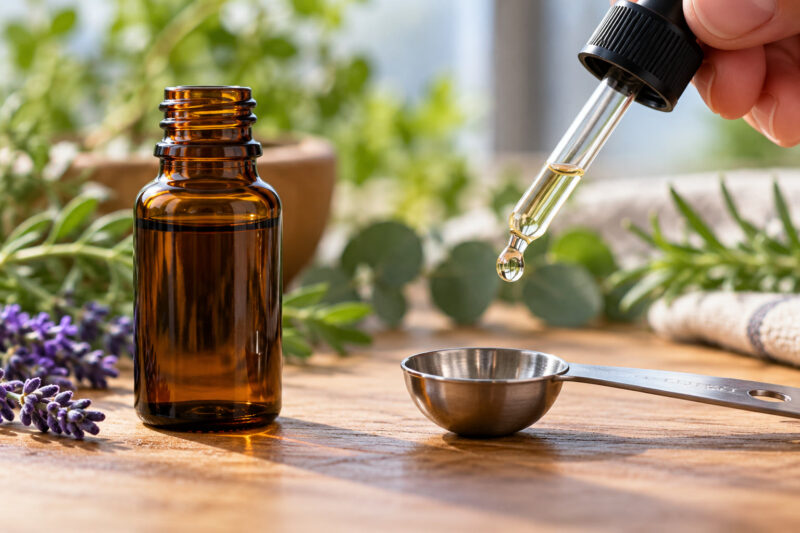
Essential oils are concentrated materials, so increasing the amount increases both scent and exposure; more oil doesn’t reliably improve the intended exper
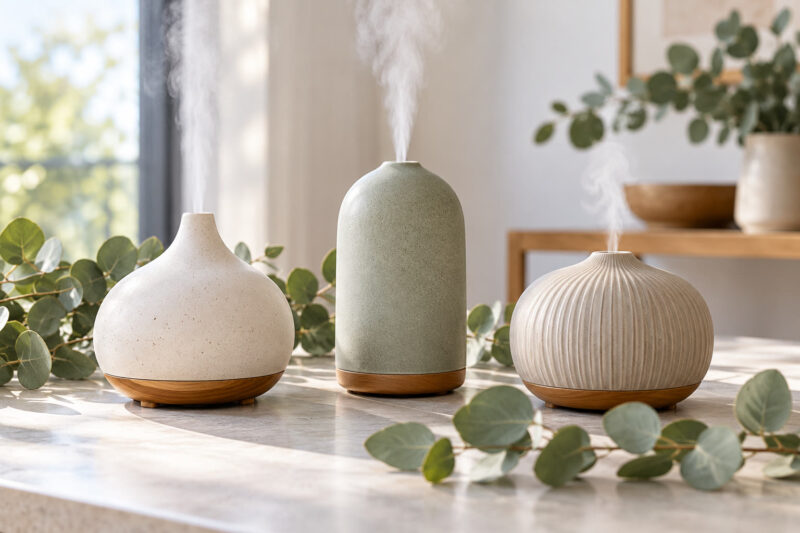
A diffuser is a dispersal device, not a way to make an essential oil treatment stronger; choosing one is mainly about a controllable session length, easy c

Aromatherapy and sleep research is difficult to summarize in one sentence because study designs, oils, doses, delivery methods, populations, and sleep outc
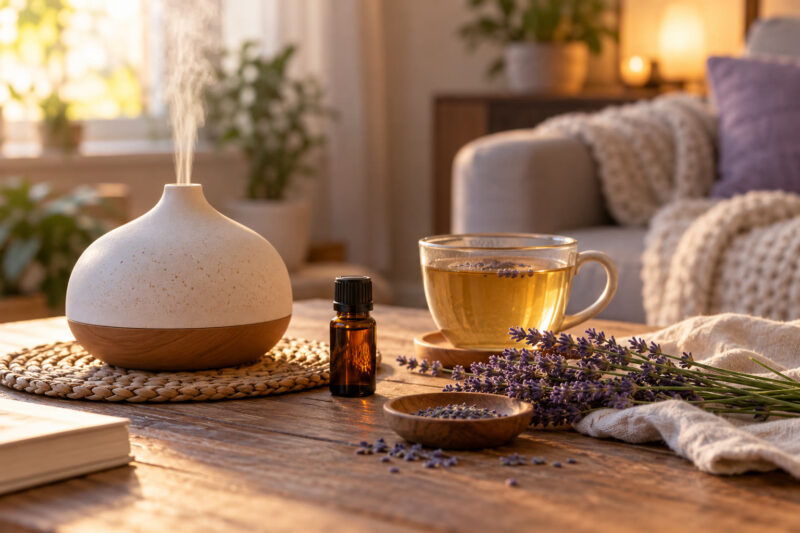
The answer depends on what you mean by relax; a scent may serve as a familiar cue for slowing down, but evidence for treating anxiety or other health condi