Choosing soap for sensitive skin is less a search for a perfect label than a lesson in reducing uncertainty. A product associated with comfort in one pers
Choosing soap for sensitive skin is less a search for a perfect label than a lesson in reducing uncertainty. A product associated with comfort in one pers

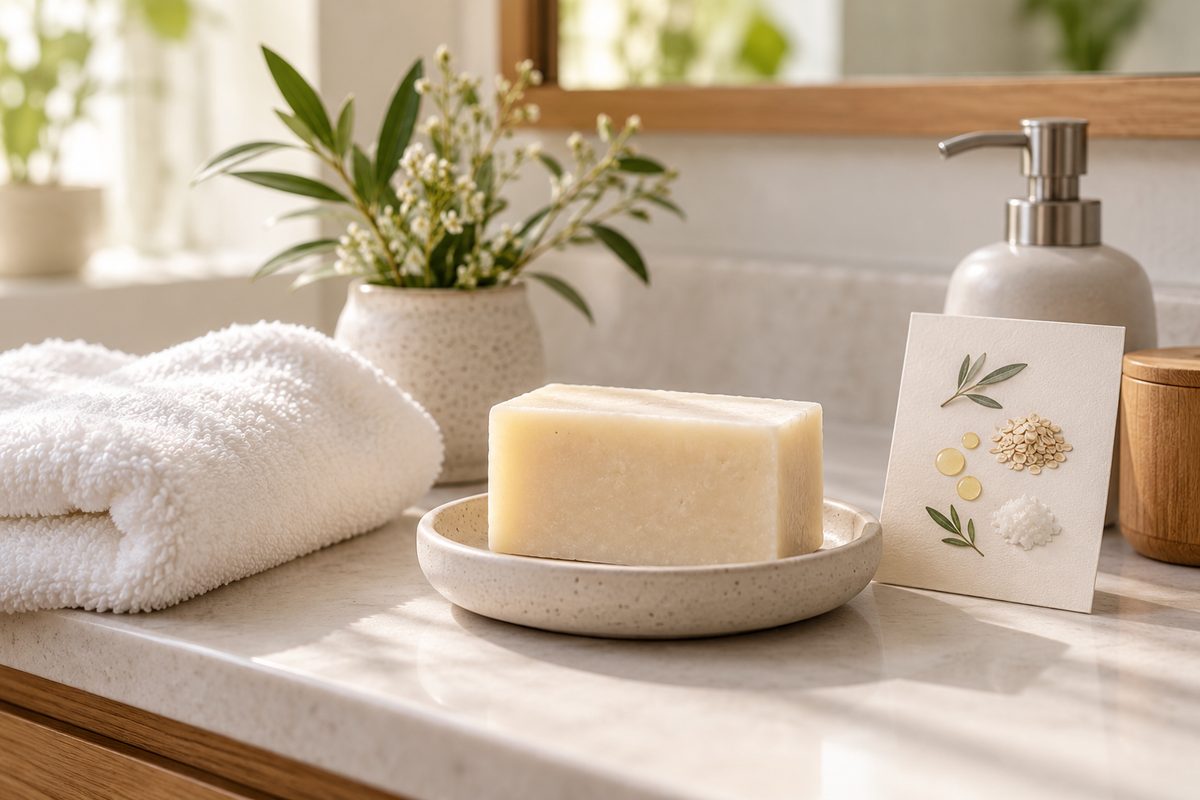
Thoughtful soap shopping begins with the job the product needs to do, not with the most impressive label; start with an inventory, choose a format and text

A small bathroom can make lower-waste choices easier by improving storage, reducing duplicate products, and placing items where they can dry; the most effe

Refilling bathroom products can reduce packaging waste, but it only works when the container, product, and cleaning routine are compatible; a refill that c
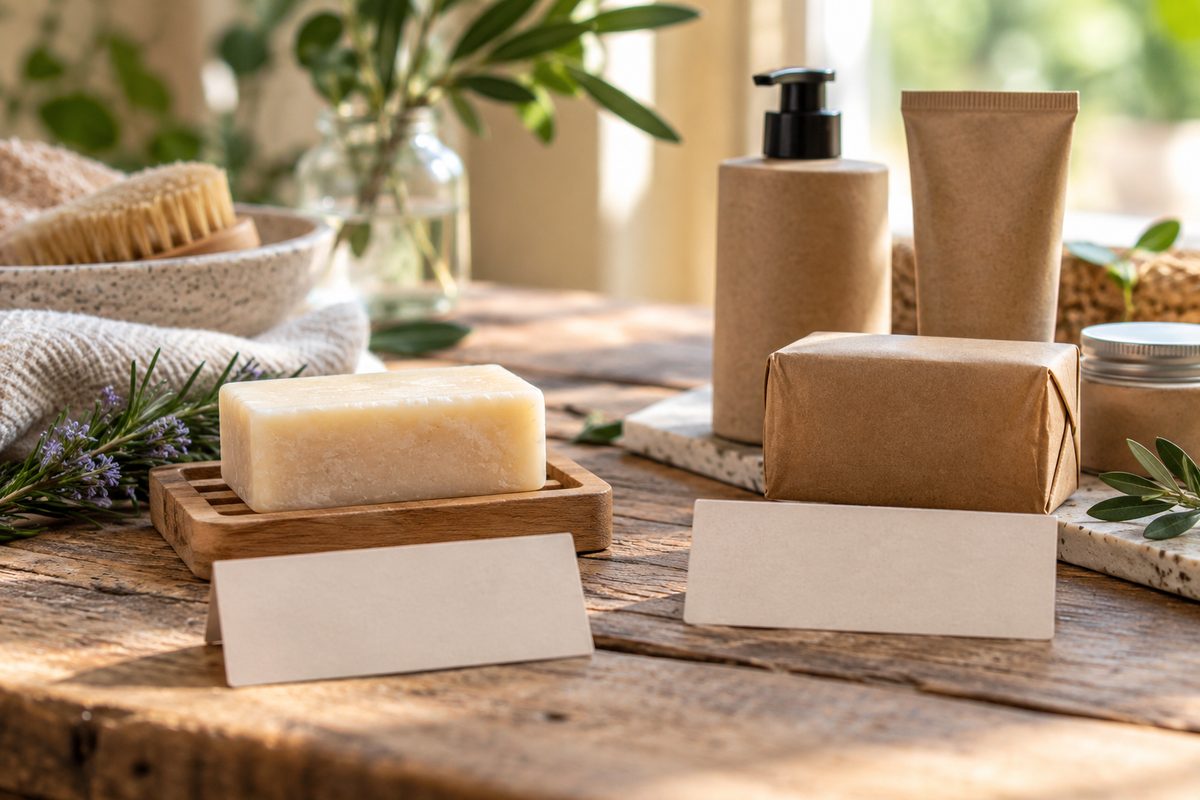
Greenwashing is not limited to false statements; it can also come from vague claims, selective evidence, or an environmental benefit presented without its

Botanicals can add color, texture, and a point of interest to handmade soap, but plant material is not automatically gentle or safe; the quantity, preparat
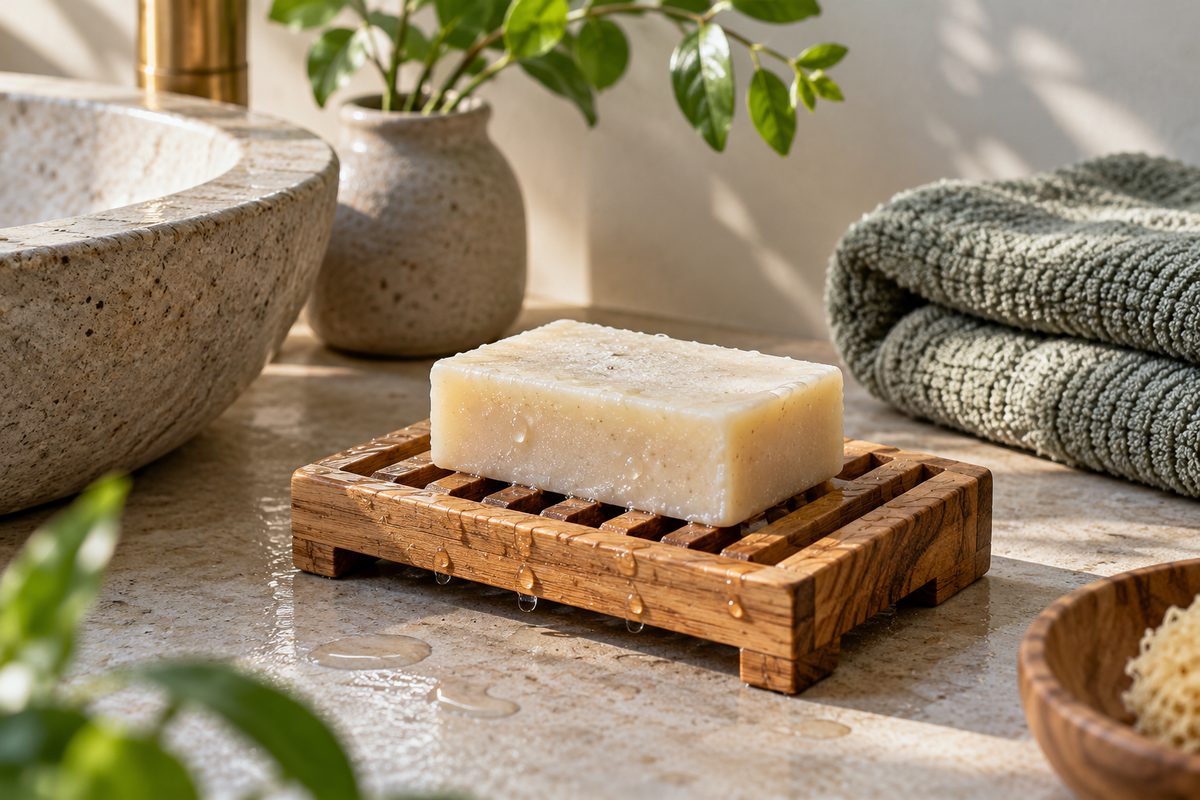
A soap dish changes how long a bar lasts by controlling where water goes after washing; drainage, airflow, surface contact, and regular cleaning matter mor
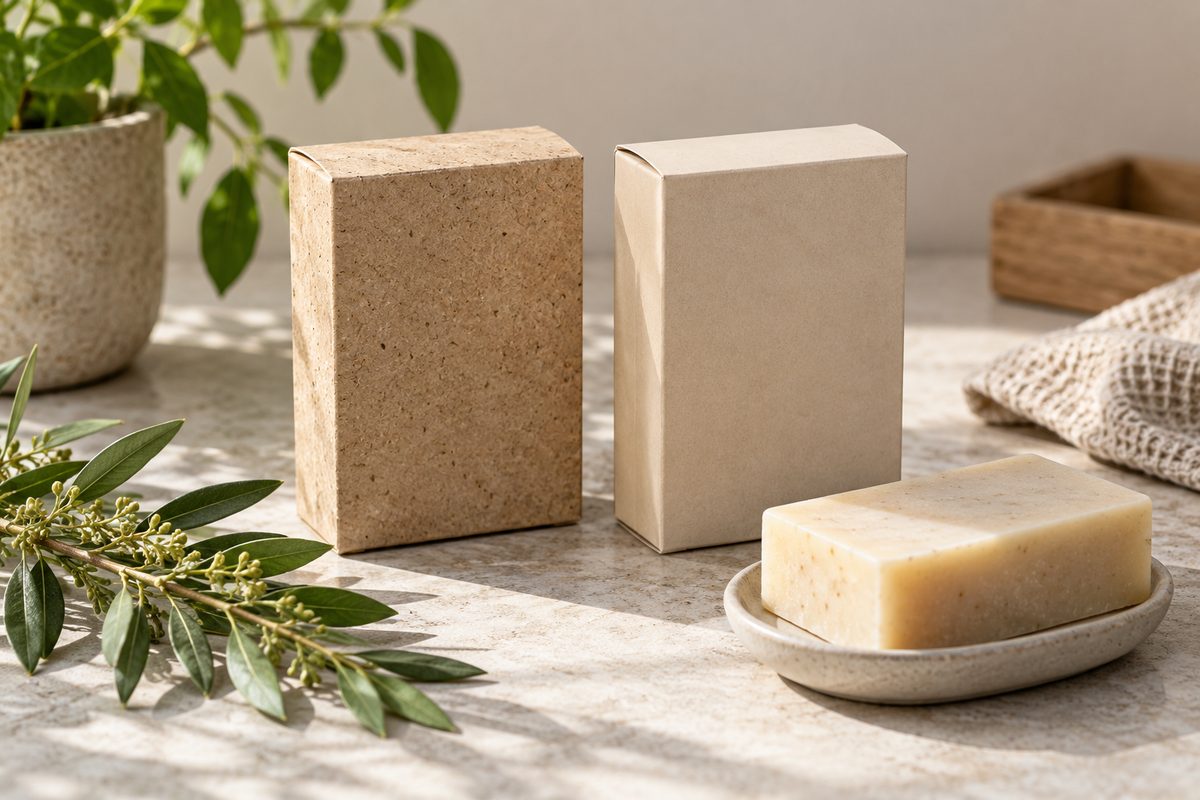
Recycled content and recyclability answer different questions; one says a package used recovered material. The other describes what may happen to it after
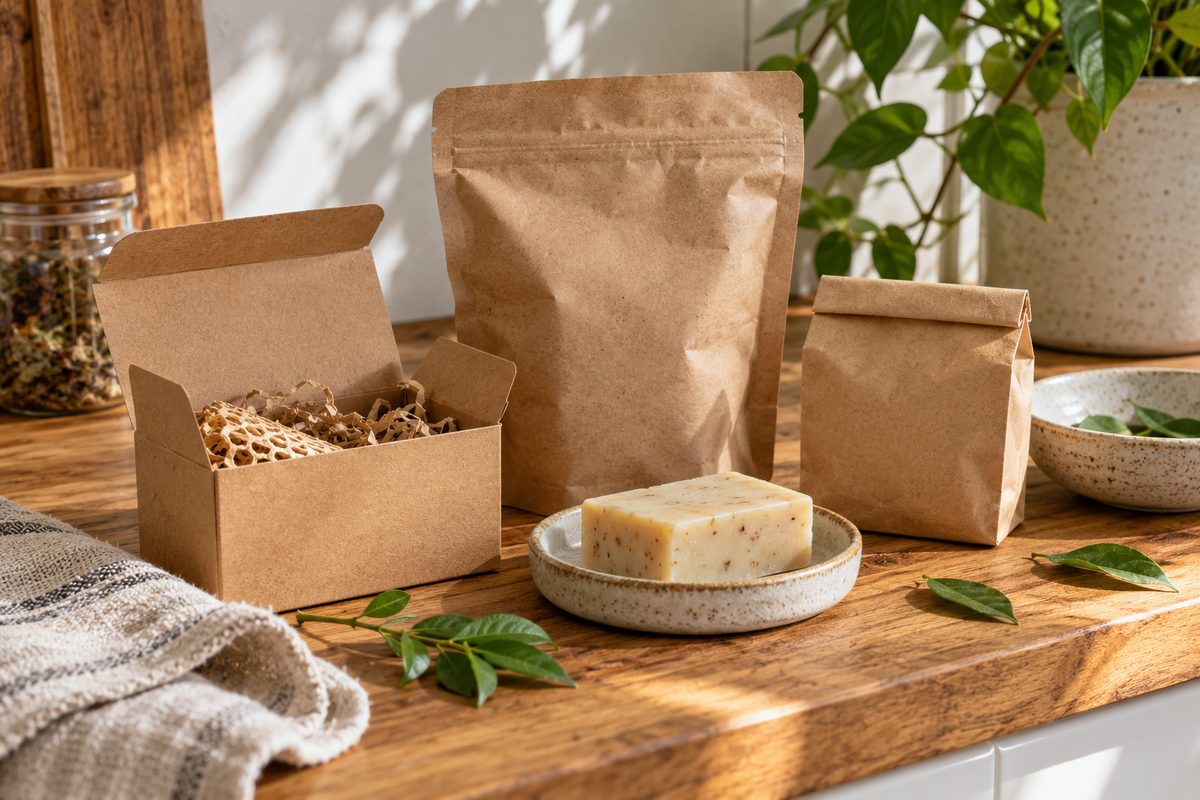
“Compostable” is a claim about specific conditions, not a promise that an item can go into any garden or home compost bin. The material, certification, th
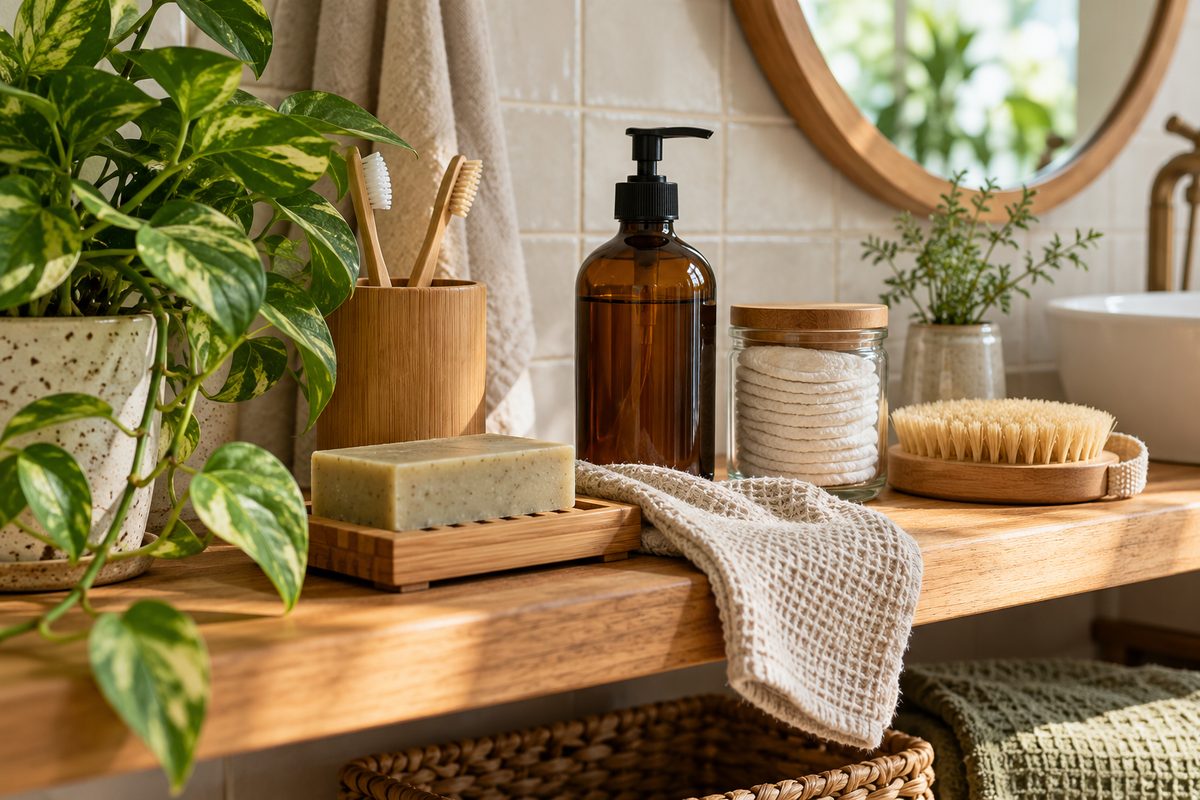
A lower-waste self-care routine begins with fewer products and more complete use, not with a new set of matching containers; start with the steps you actua