A product’s environmental impact is shaped by how often it must be replaced as well as by what it’s made from; a durable item can be the better choice when
A product’s environmental impact is shaped by how often it must be replaced as well as by what it’s made from; a durable item can be the better choice when
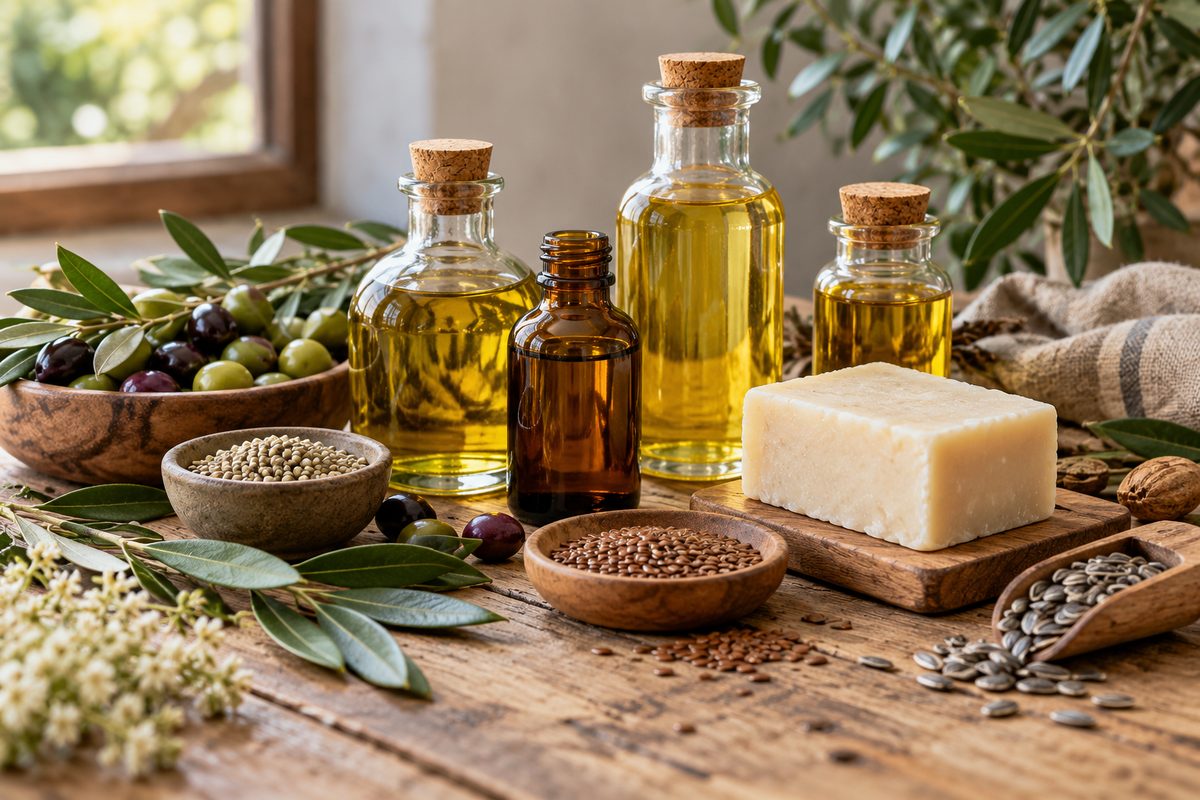
Plant oils are not automatically sustainable because they come from plants; their impact depends on how the crop is grown, processed, transported, and used
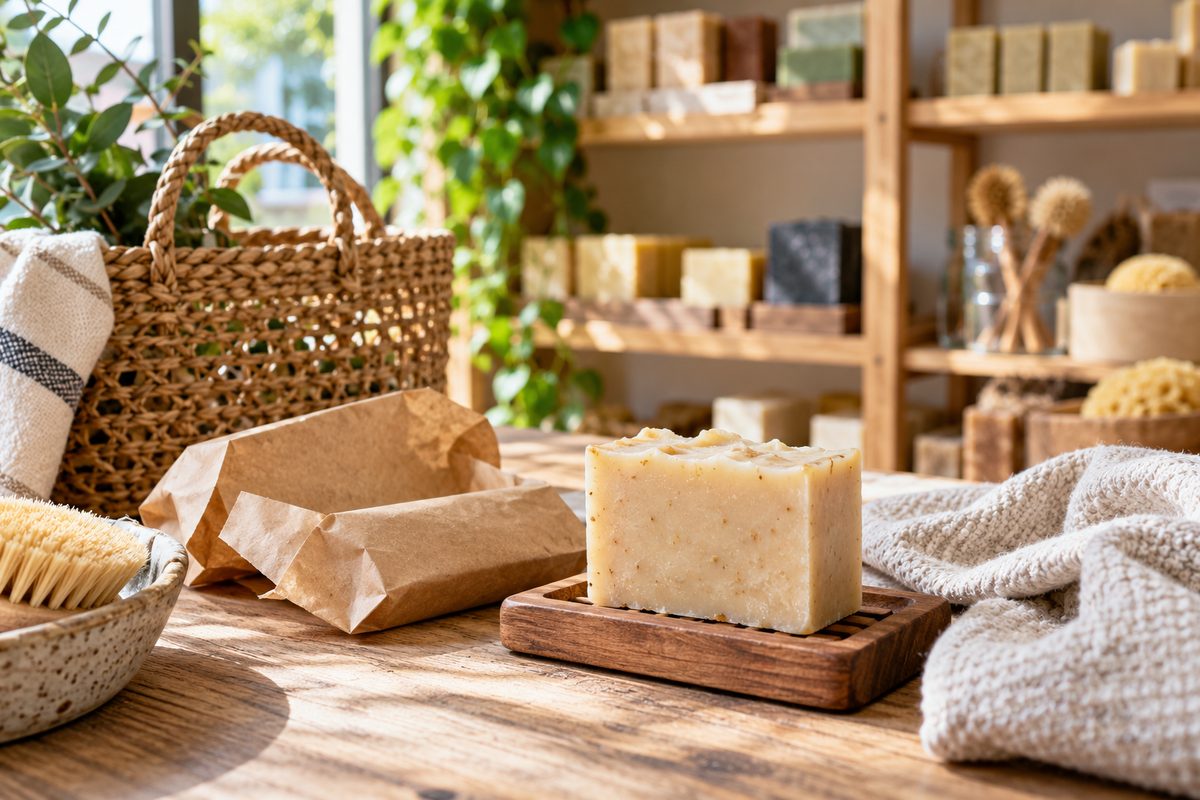
Shopping for soap with less packaging starts before you reach the shelf: inventory the soap you already own, identify the format you actually use, and comp
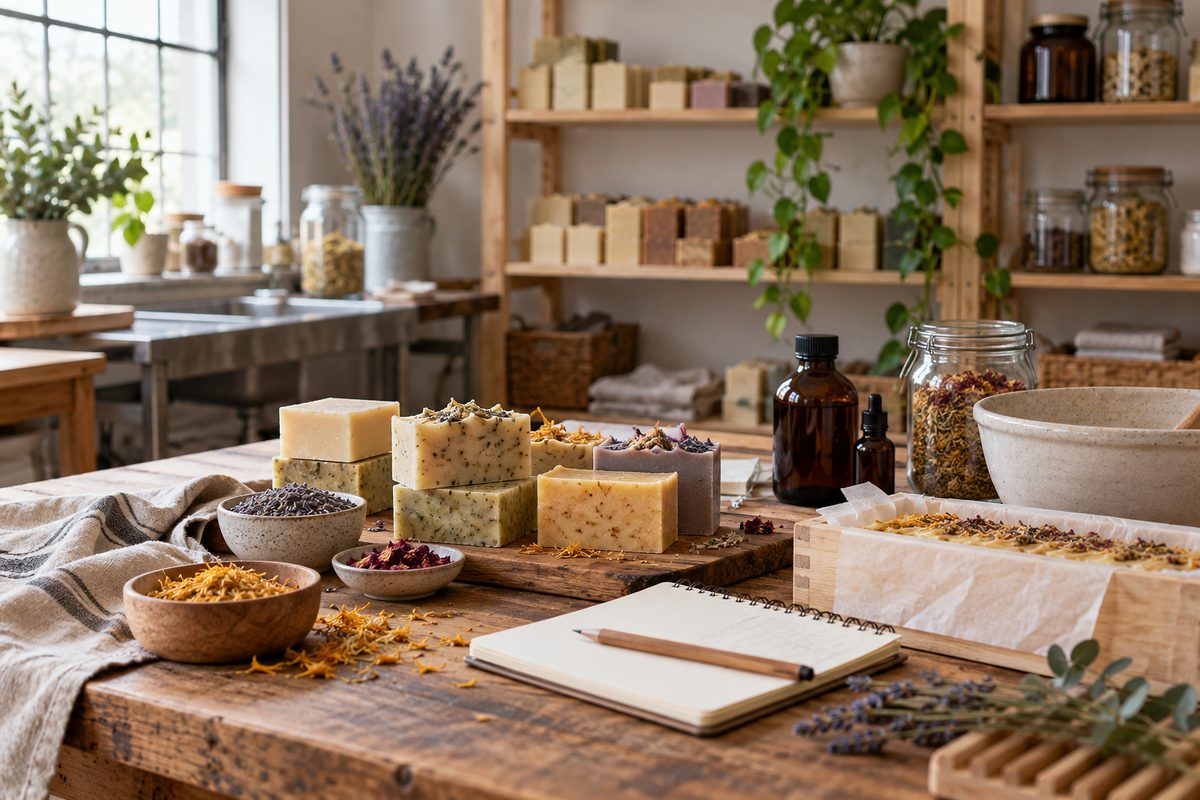
A small-batch soapmaker can provide useful information that a generic product page may omit: the recipe direction, cure time, scent materials, intended use
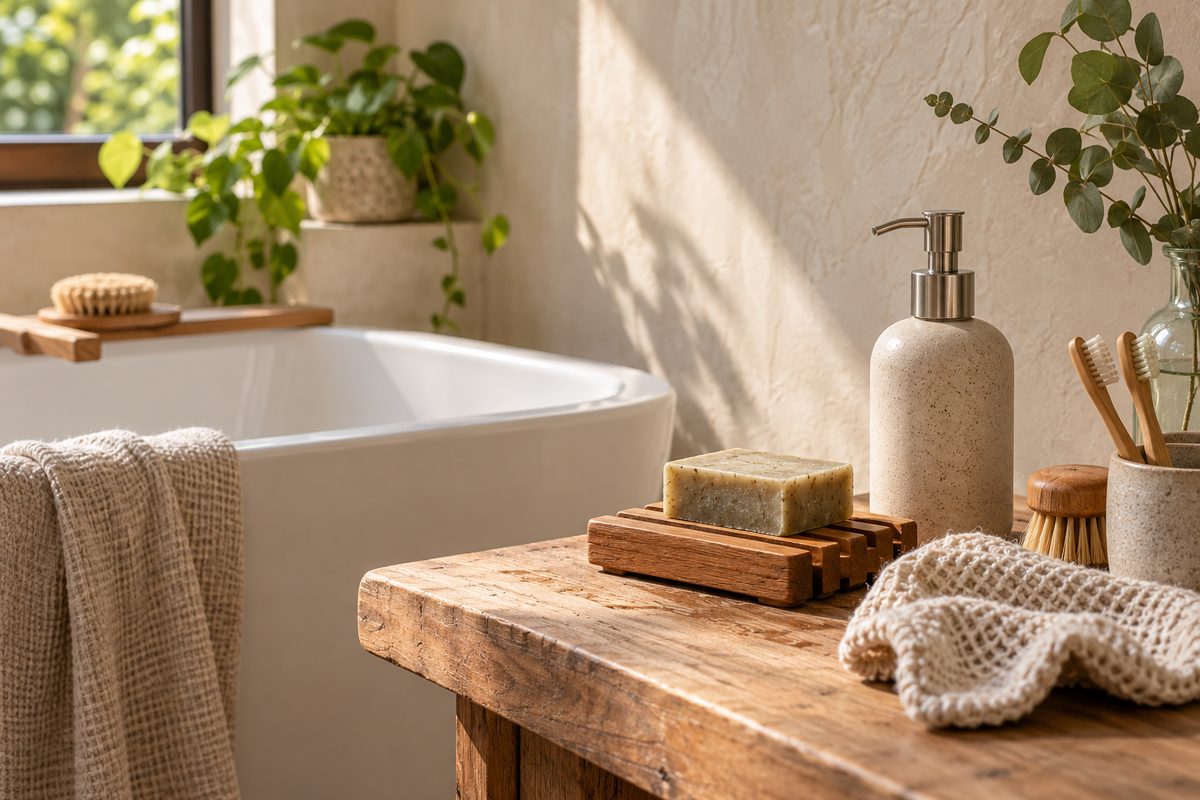
Low-waste bathing starts with the products and habits you already have; it can mean using a bar instead of a bottle, buying a refill, taking a shorter show
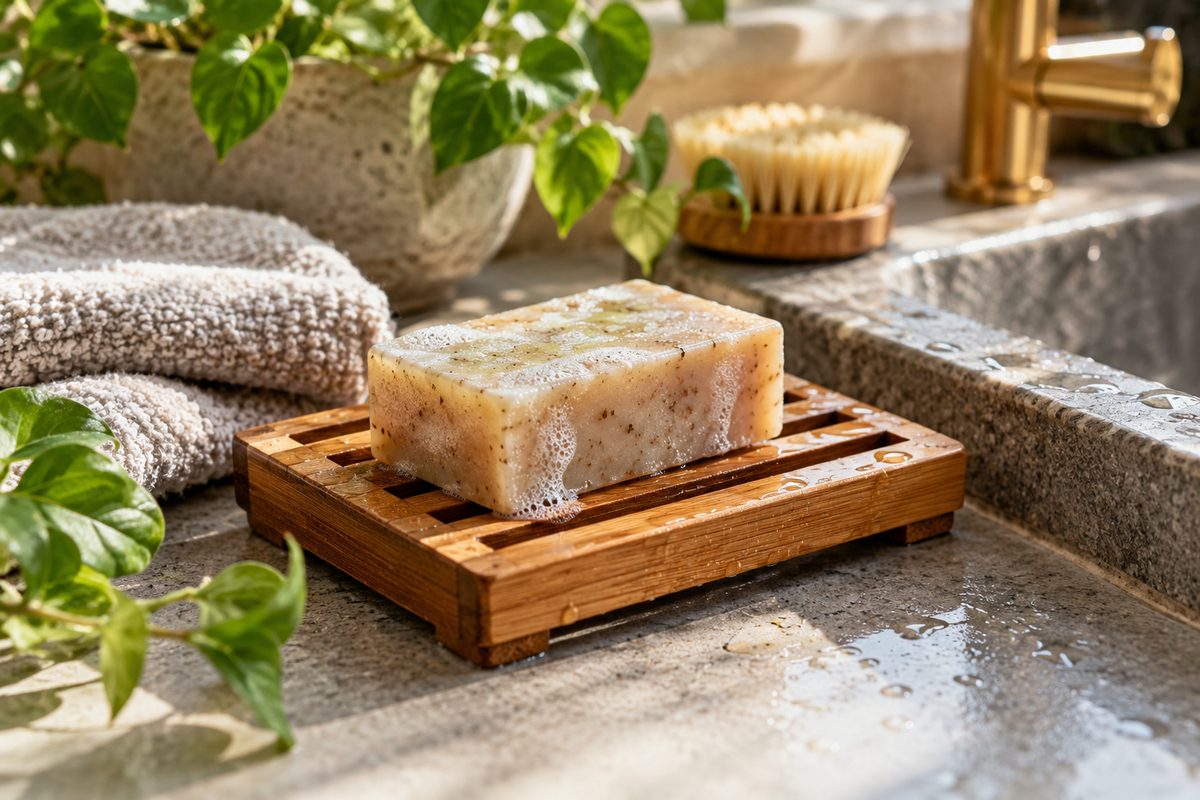
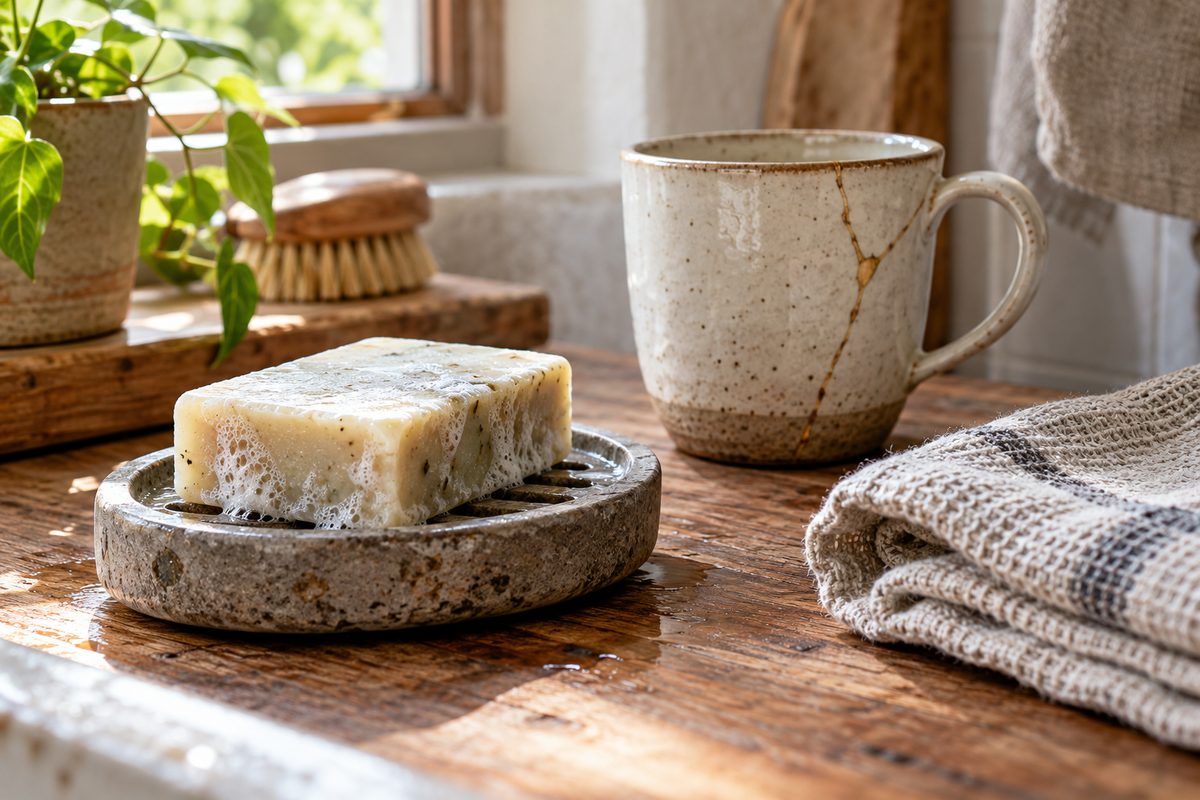
A bar of soap lasts longer when it dissolves less between uses; drainage, bar size, contact with water, and the recipe all matter. The useful setup keeps
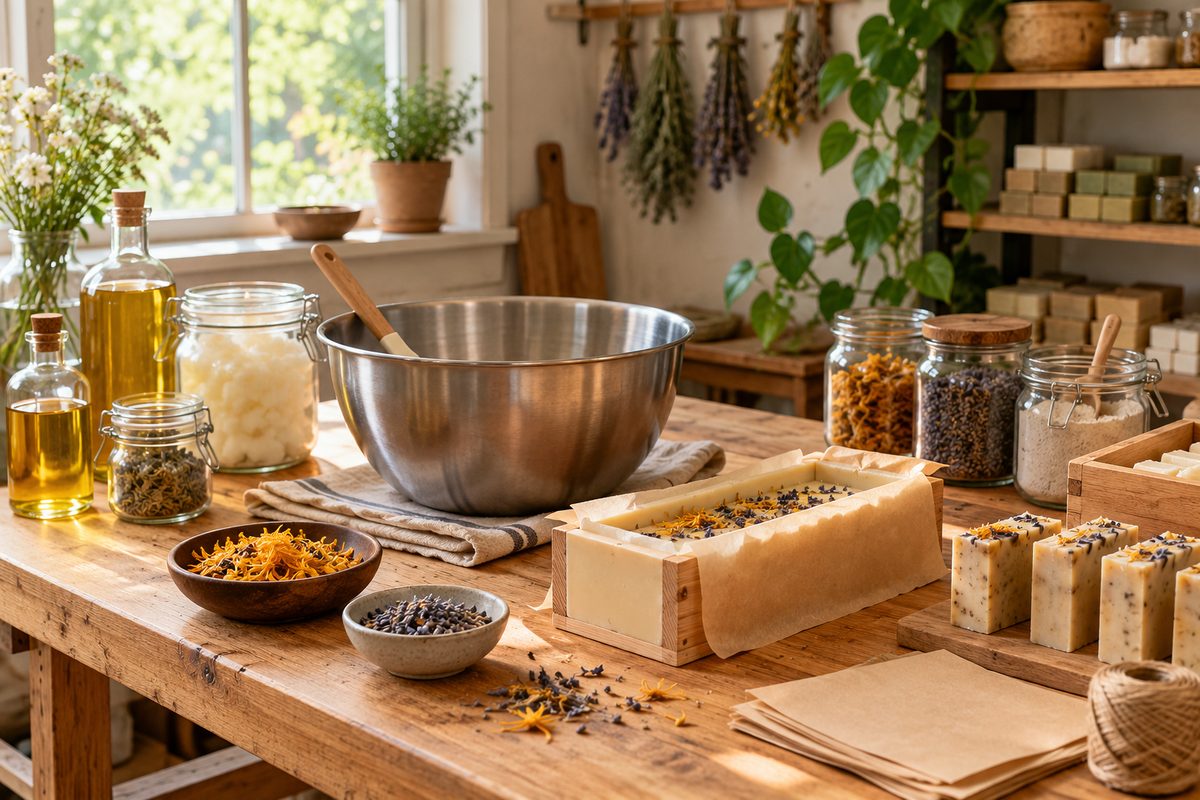
A sustainable soapmaking workspace uses materials carefully, plans batches to avoid waste, and keeps safety and product quality ahead of decorative excess;
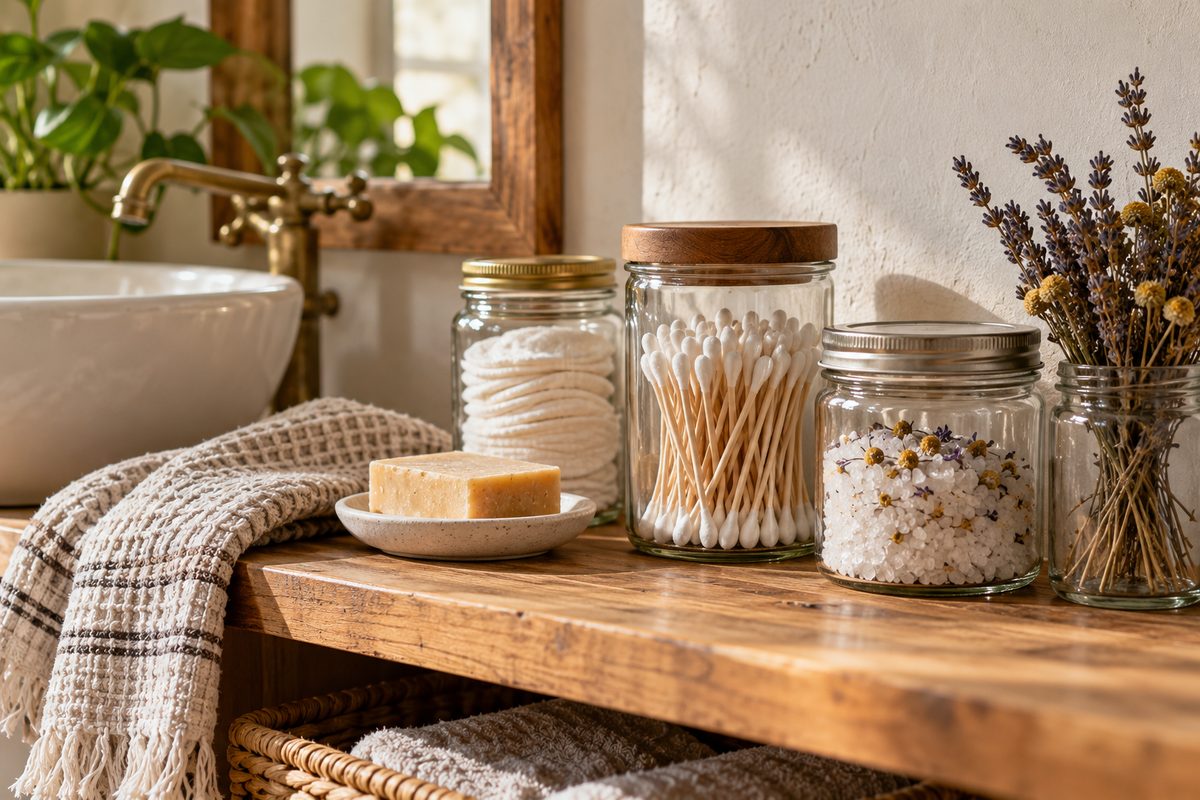
Glass jars can be reused for storage, refills, and small household items, but not every jar is suitable for every new use; heat history, lid condition, pre
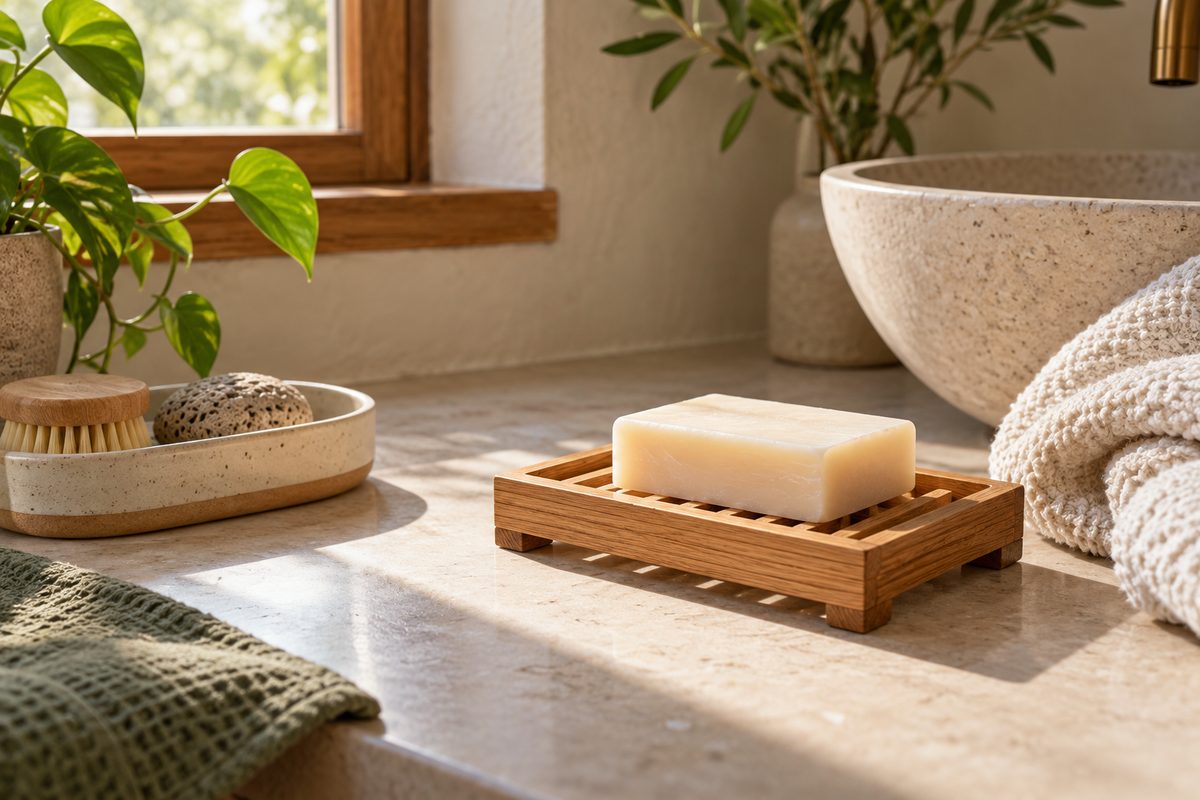
A reusable soap holder should keep the bar dry, be easy to clean, and last long enough to justify replacing the disposable alternative; the best design dep
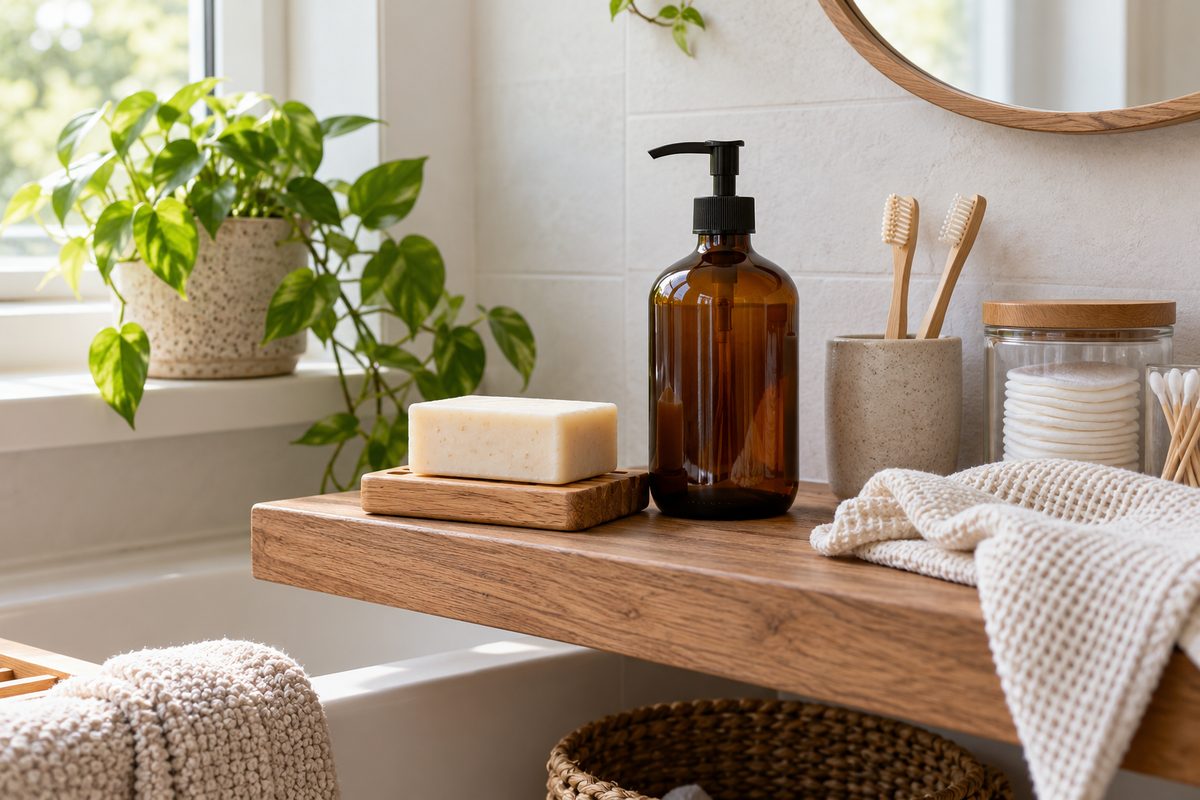
Bathroom packaging waste is easiest to reduce by changing what comes into the room and how long each item stays in use; start with an inventory, identify t