There is no single daily number that makes sense for every bar and every body. Hands may need washing frequently, while a full-body wash can often be shor
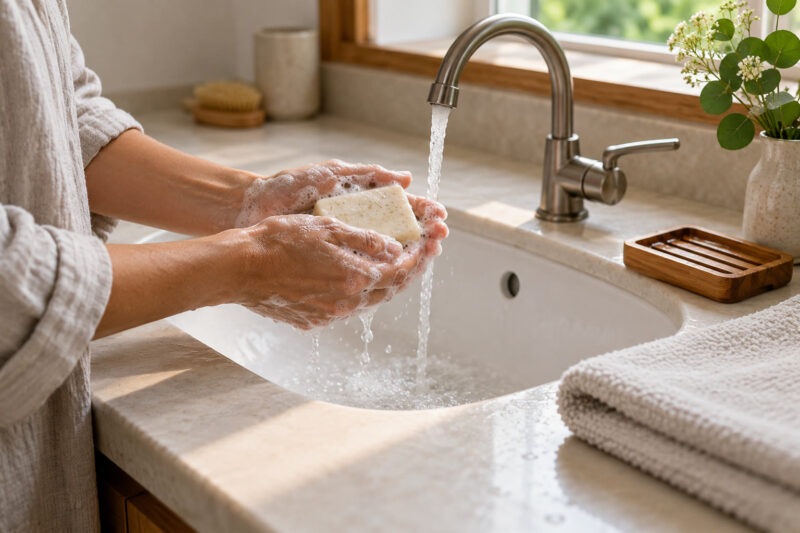
There is no single daily number that makes sense for every bar and every body. Hands may need washing frequently, while a full-body wash can often be shor
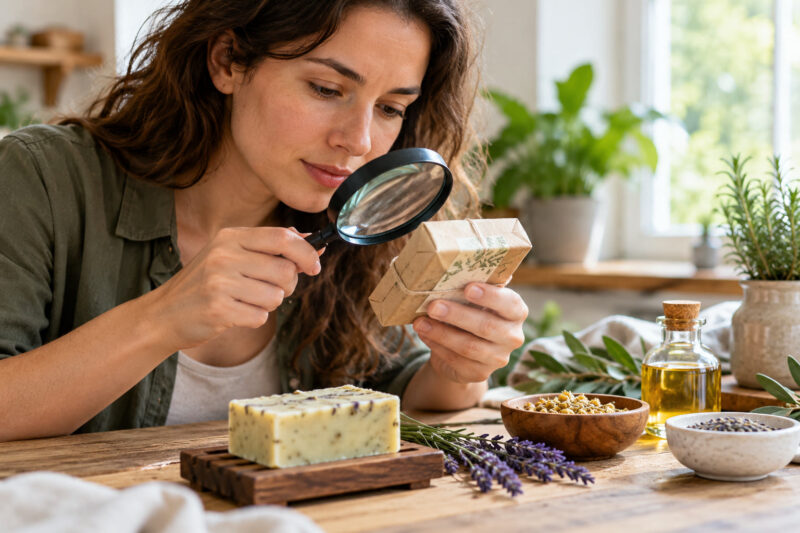
An organic symbol on a soap label can be meaningful, but it rarely means the same thing as an organic food label; the claim may apply to a farm ingredient,
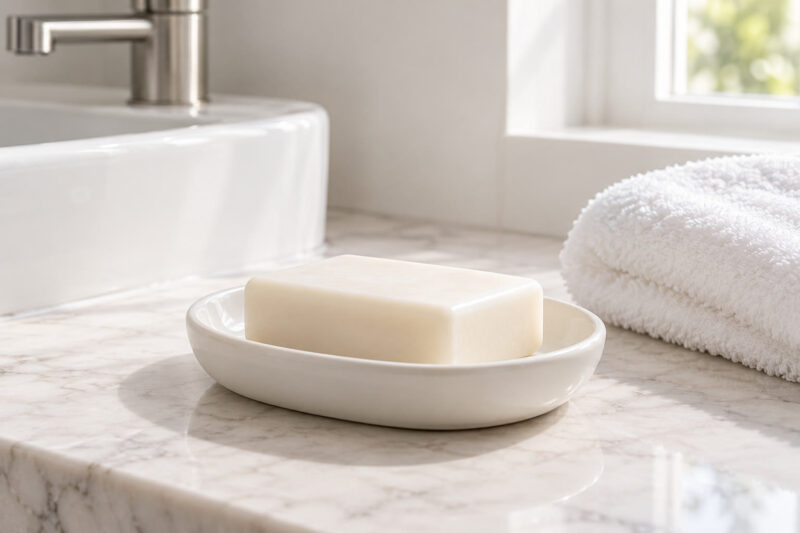
Shopping for fragrance-free soap becomes easier when you separate the scent-free claim from the rest of the formula; a fragrance-free bar may still contain
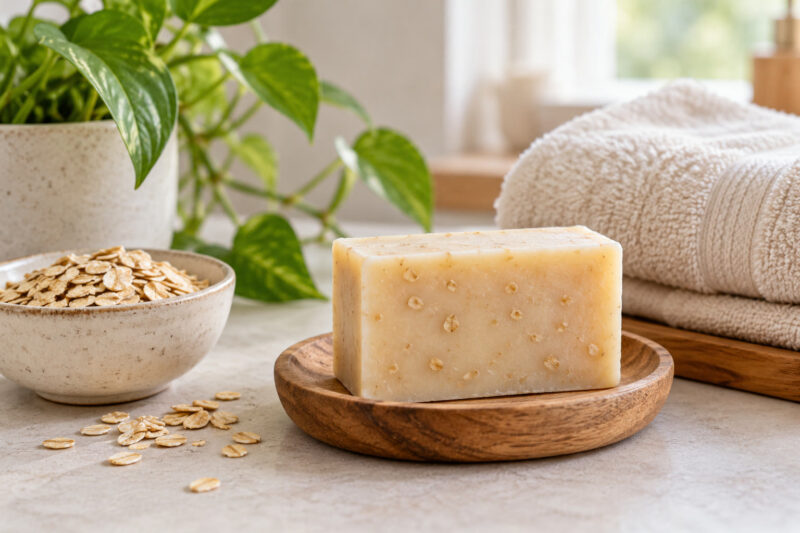
“Natural” is not a medical promise, and sensitive skin can react to plant oils, essential oils, botanicals, and fragrance just as it can to synthetic ingre
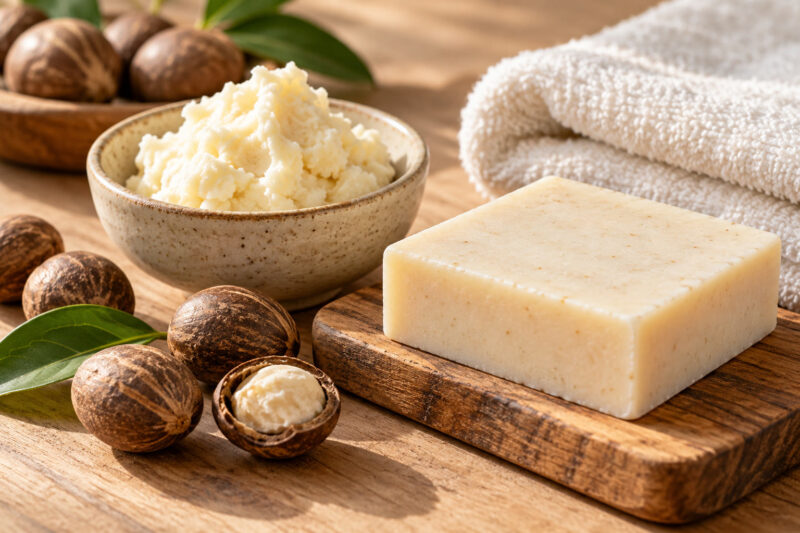
Shea butter gives handmade soap a rich, creamy texture and can make a bar feel more conditioning, but it’s not a replacement for lotion; the percentage in
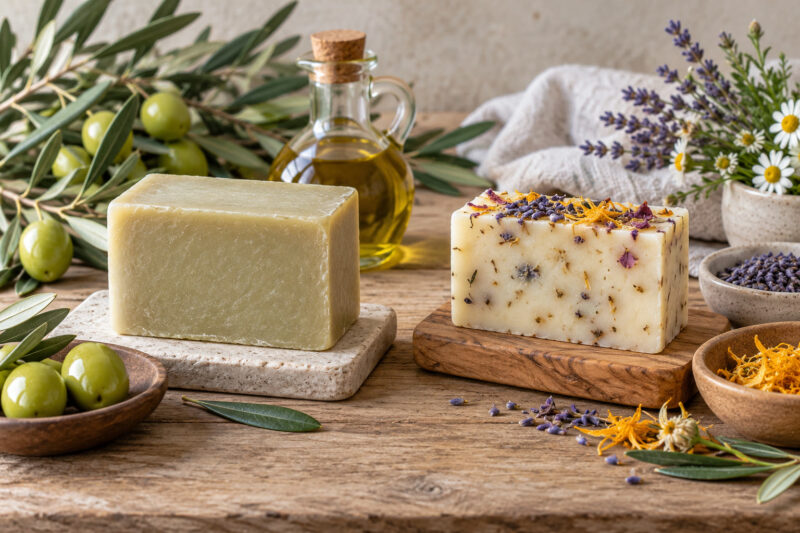
“Castile soap” and “handmade soap” sound as if they describe the same category, but they answer different questions; castile points to a traditional olive-
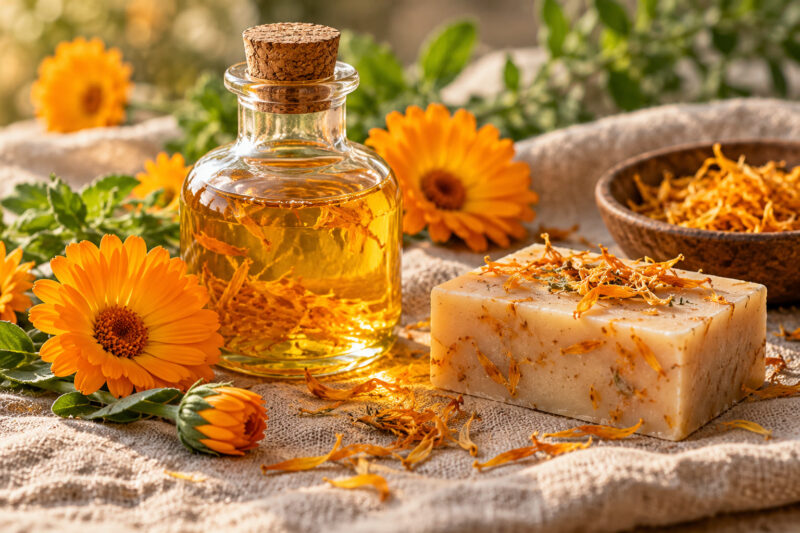
Calendula petals bring color and a long folk tradition to handmade soap, but a decorative botanical is not automatically a skin treatment. The way calendu
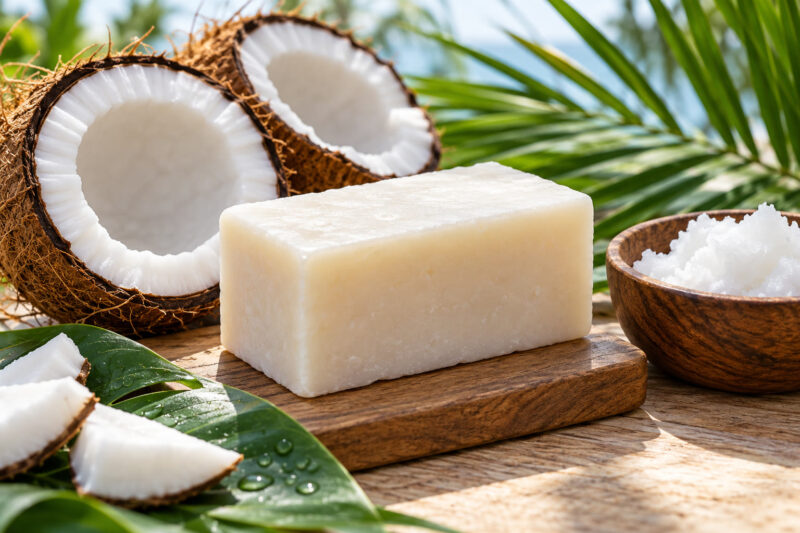
Coconut oil is popular in soap because it helps create abundant lather and a hard bar, especially in warm climates. Those benefits come with a cleansing t
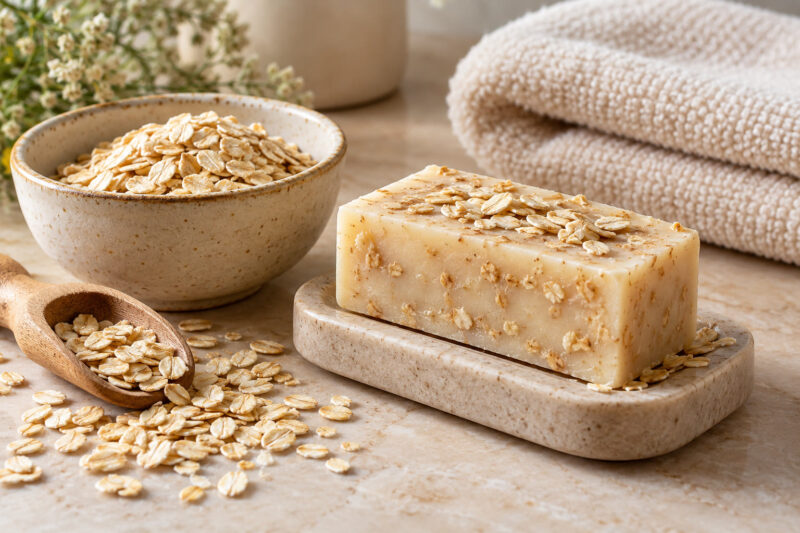
Oatmeal soap is often marketed as a gentle answer to dryness, but the form of the oats matters; finely milled colloidal oatmeal is different from coarse ro
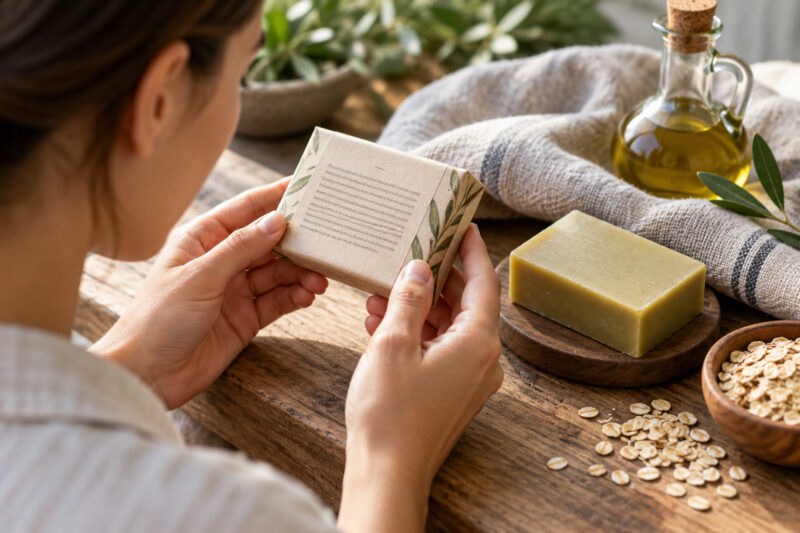
A useful soap label should help you understand what is in the bar, how it’s meant to be used, and which claims are supported by more than attractive wordin