Category: Skin Health & Gentle Care

Gentle cleansing, skin barriers, sensitive skin, and practical everyday body-care habits.

  • A Beginner’s Guide to Skin-Care Labels

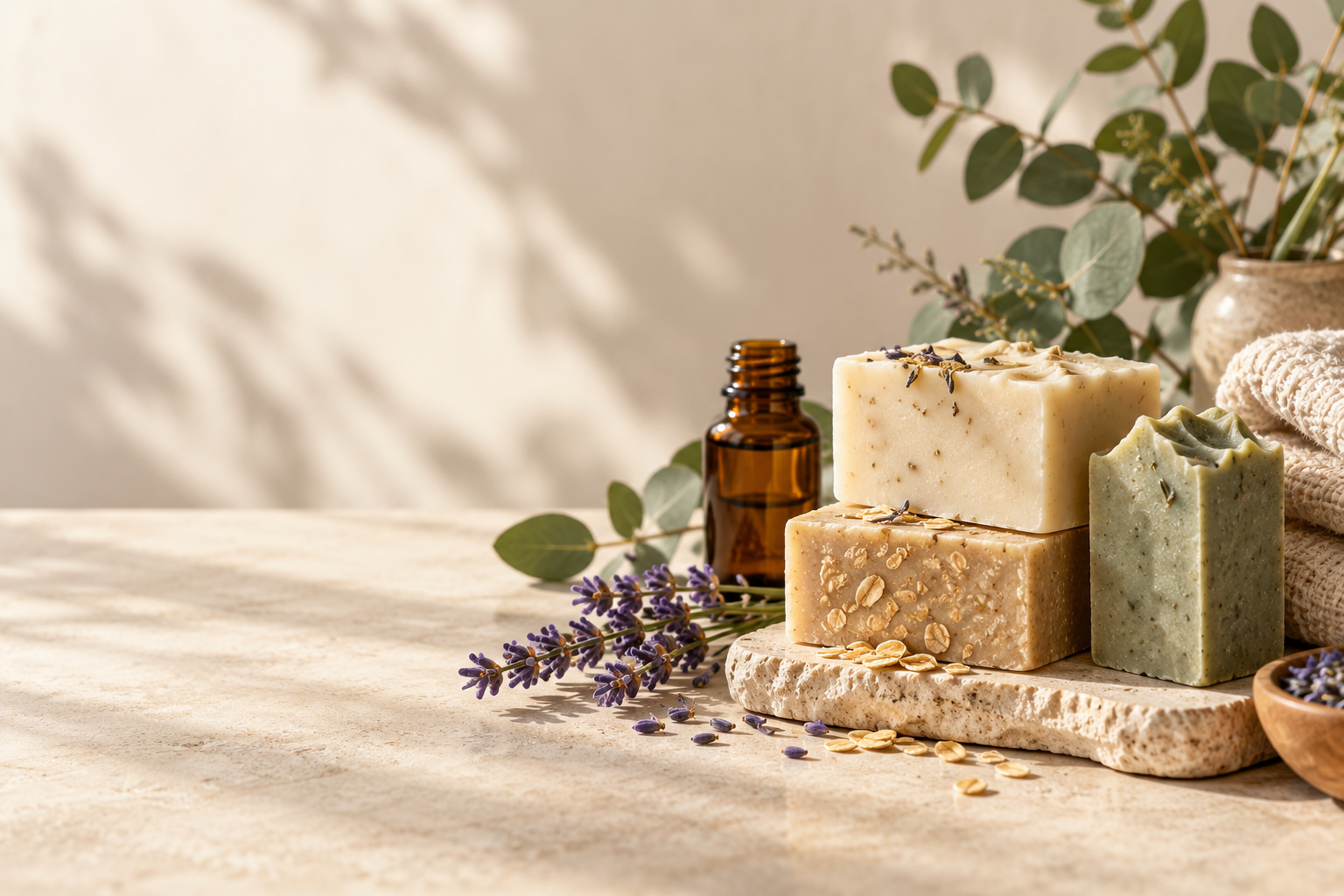
    Simple gentle skin-care scene with a fragrance-free cleanser bar and cotton towel

    A Beginner’s Guide to Skin-Care Labels is a useful question because everyday choices are often shaped by attractive labels and quick promises. A better approach is to slow down, identify what you actually need, and choose a product or habit that fits your routine. This guide focuses on simple ingredients, thoughtful use, and paying attention to how your skin responds.

    Begin with the real goal

    Before buying something new, describe the result you want in plain language. Are you trying to make washing more comfortable, create a calmer transition into the evening, reduce unnecessary packaging, or understand an ingredient? A specific goal makes it easier to compare options and avoid buying several products at once.

    For skin health & gentle care, context matters. A product that works well for one person may not suit another person’s skin, scent preferences, household, schedule, or budget. “Natural,” “clean,” and “premium” are not complete explanations by themselves. Look for transparent information about ingredients, use, storage, and limitations.

    Three practical checks

    • Start with a clear ingredient list and a realistic use case.
    • Introduce one new product at a time.
    • Stop and reassess if your skin feels uncomfortable.

    These checks are simple, but they help turn a vague purchase into a thoughtful decision. Keep notes when you are testing several products. If something causes a reaction or does not meet your needs, a short record can help you identify patterns instead of guessing.

    What to consider before using it

    Read the full label and follow the product directions. Pay attention to fragrance, essential oils, exfoliating materials, preservatives, and any ingredient you already know you do not tolerate. If a product is intended for skin, introduce it carefully and avoid using it on broken or irritated skin. For a recurring or severe reaction, ask a qualified health professional for advice. Cleveland Clinic guidance on the skin barrier offers helpful background for making safer, more informed choices.

    Keep the routine comfortable and proportionate. More product, stronger scent, longer use, or more frequent washing is not automatically better. Small adjustments—using less, rinsing well, allowing a bar to dry, or choosing a fragrance-free option—can make an everyday ritual easier to maintain.

    Make the habit easier to keep

    Place the product where you will use it, store it according to the maker’s directions, and choose a simple backup for busy days. A routine is more useful when it works on ordinary days, not only when you have extra time. Revisit the choice after a week or two and ask whether it is comfortable, affordable, and genuinely useful.

    Continue exploring this topic with our guide to How Weather Can Change Your Skin-Care Routine. You may also find our article on Why Scrubbing Is Not Always Better helpful when planning your routine.

    The takeaway

    A Beginner’s Guide to Skin-Care Labels does not require perfection. Start with a clear goal, check the details, use a modest amount, and pay attention to your own experience. Thoughtful personal care is built from informed choices and repeatable habits—not from exaggerated promises.

    Educational note: This article is for general information and is not a substitute for medical, mental-health, or professional advice.

  • Dry Skin After Showering: Routine Adjustments

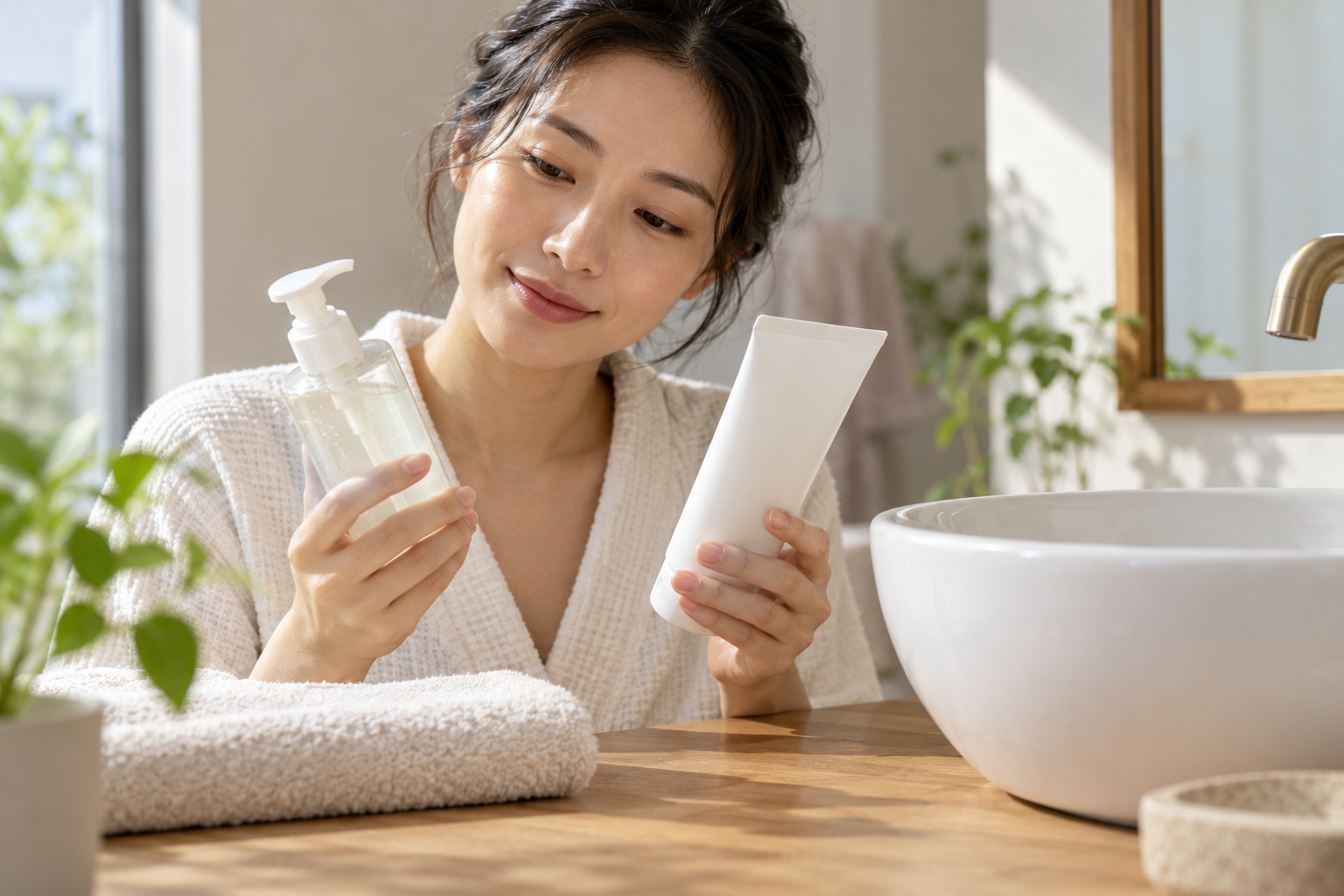
    Dry Skin After Showering: Routine Adjustments

    Dry Skin After Showering: Routine Adjustments is a useful question because everyday choices are often shaped by attractive labels and quick promises. A better approach is to slow down, identify what you actually need, and choose a product or habit that fits your routine. This guide focuses on simple ingredients, thoughtful use, and paying attention to how your skin responds.

    Begin with the real goal

    Before buying something new, describe the result you want in plain language. Are you trying to make washing more comfortable, create a calmer transition into the evening, reduce unnecessary packaging, or understand an ingredient? A specific goal makes it easier to compare options and avoid buying several products at once.

    For skin health & gentle care, context matters. A product that works well for one person may not suit another person’s skin, scent preferences, household, schedule, or budget. “Natural,” “clean,” and “premium” are not complete explanations by themselves. Look for transparent information about ingredients, use, storage, and limitations.

    Three practical checks

    • Start with a clear ingredient list and a realistic use case.
    • Introduce one new product at a time.
    • Stop and reassess if your skin feels uncomfortable.

    These checks are simple, but they help turn a vague purchase into a thoughtful decision. Keep notes when you are testing several products. If something causes a reaction or does not meet your needs, a short record can help you identify patterns instead of guessing.

    What to consider before using it

    Read the full label and follow the product directions. Pay attention to fragrance, essential oils, exfoliating materials, preservatives, and any ingredient you already know you do not tolerate. If a product is intended for skin, introduce it carefully and avoid using it on broken or irritated skin. For a recurring or severe reaction, ask a qualified health professional for advice. Cleveland Clinic guidance on the skin barrier offers helpful background for making safer, more informed choices.

    Keep the routine comfortable and proportionate. More product, stronger scent, longer use, or more frequent washing is not automatically better. Small adjustments—using less, rinsing well, allowing a bar to dry, or choosing a fragrance-free option—can make an everyday ritual easier to maintain.

    Make the habit easier to keep

    Place the product where you will use it, store it according to the maker’s directions, and choose a simple backup for busy days. A routine is more useful when it works on ordinary days, not only when you have extra time. Revisit the choice after a week or two and ask whether it is comfortable, affordable, and genuinely useful.

    Continue exploring this topic with our guide to Moisturizer Basics for Everyday Skin Comfort. You may also find our article on How Weather Can Change Your Skin-Care Routine helpful when planning your routine.

    The takeaway

    Dry Skin After Showering: Routine Adjustments does not require perfection. Start with a clear goal, check the details, use a modest amount, and pay attention to your own experience. Thoughtful personal care is built from informed choices and repeatable habits—not from exaggerated promises.

    Educational note: This article is for general information and is not a substitute for medical, mental-health, or professional advice.
  • How to Choose a Cleanser When Skin Is Reactive

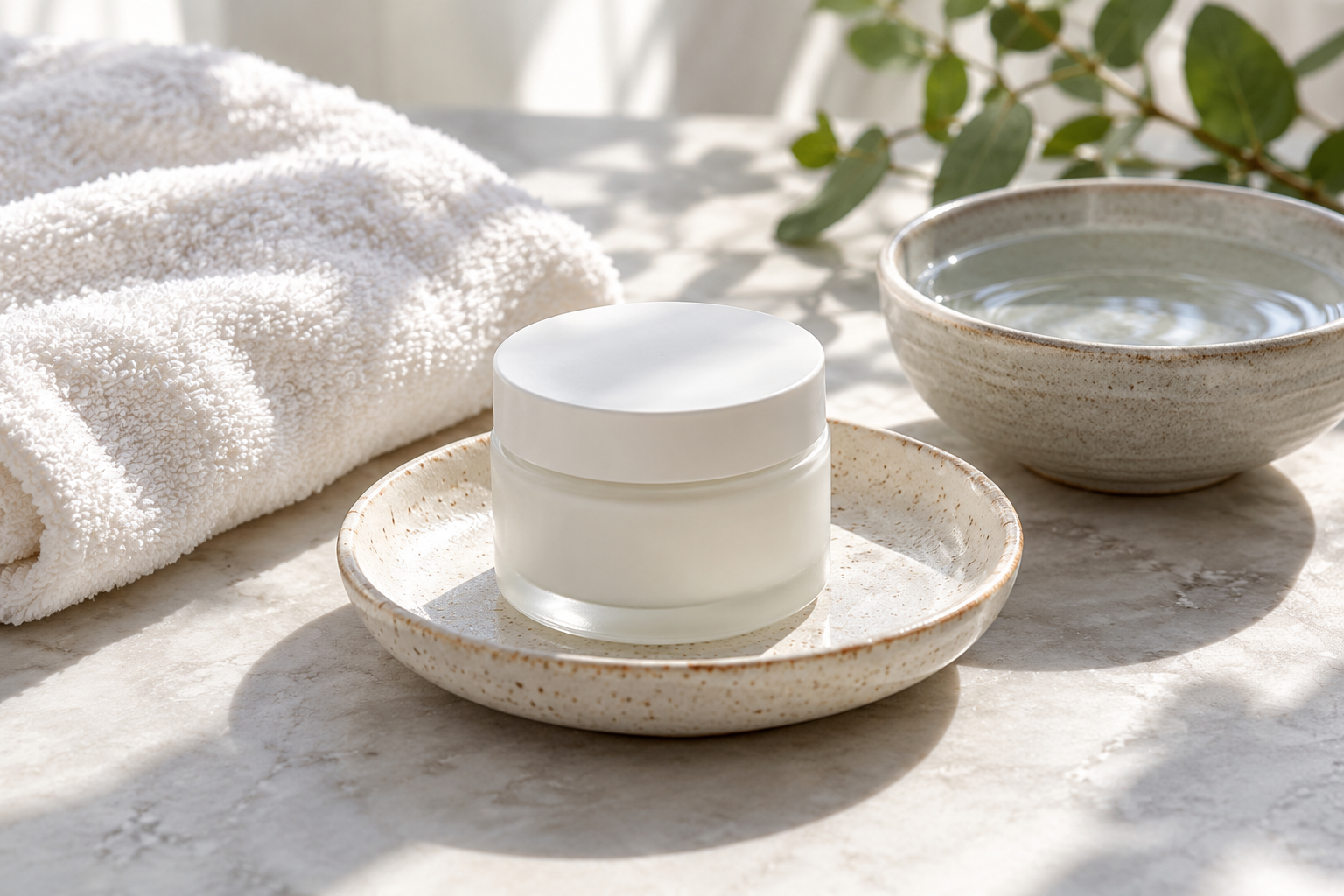
    How to Choose a Cleanser When Skin Is Reactive

    How to Choose a Cleanser When Skin Is Reactive is a useful question because everyday choices are often shaped by attractive labels and quick promises. A better approach is to slow down, identify what you actually need, and choose a product or habit that fits your routine. This guide focuses on simple ingredients, thoughtful use, and paying attention to how your skin responds.

    Begin with the real goal

    Before buying something new, describe the result you want in plain language. Are you trying to make washing more comfortable, create a calmer transition into the evening, reduce unnecessary packaging, or understand an ingredient? A specific goal makes it easier to compare options and avoid buying several products at once.

    For skin health & gentle care, context matters. A product that works well for one person may not suit another person’s skin, scent preferences, household, schedule, or budget. “Natural,” “clean,” and “premium” are not complete explanations by themselves. Look for transparent information about ingredients, use, storage, and limitations.

    Three practical checks

    • Start with a clear ingredient list and a realistic use case.
    • Introduce one new product at a time.
    • Stop and reassess if your skin feels uncomfortable.

    These checks are simple, but they help turn a vague purchase into a thoughtful decision. Keep notes when you are testing several products. If something causes a reaction or does not meet your needs, a short record can help you identify patterns instead of guessing.

    What to consider before using it

    Read the full label and follow the product directions. Pay attention to fragrance, essential oils, exfoliating materials, preservatives, and any ingredient you already know you do not tolerate. If a product is intended for skin, introduce it carefully and avoid using it on broken or irritated skin. For a recurring or severe reaction, ask a qualified health professional for advice. Cleveland Clinic guidance on the skin barrier offers helpful background for making safer, more informed choices.

    Keep the routine comfortable and proportionate. More product, stronger scent, longer use, or more frequent washing is not automatically better. Small adjustments—using less, rinsing well, allowing a bar to dry, or choosing a fragrance-free option—can make an everyday ritual easier to maintain.

    Make the habit easier to keep

    Place the product where you will use it, store it according to the maker’s directions, and choose a simple backup for busy days. A routine is more useful when it works on ordinary days, not only when you have extra time. Revisit the choice after a week or two and ask whether it is comfortable, affordable, and genuinely useful.

    Continue exploring this topic with our guide to Why Over-Cleansing Can Feel Drying. You may also find our article on Moisturizer Basics for Everyday Skin Comfort helpful when planning your routine.

    The takeaway

    How to Choose a Cleanser When Skin Is Reactive does not require perfection. Start with a clear goal, check the details, use a modest amount, and pay attention to your own experience. Thoughtful personal care is built from informed choices and repeatable habits—not from exaggerated promises.

    Educational note: This article is for general information and is not a substitute for medical, mental-health, or professional advice.

  • Moisturizer Basics for Everyday Skin Comfort

    Moisturizer Basics for Everyday Skin Comfort

    Moisturizer Basics for Everyday Skin Comfort is a useful question because everyday choices are often shaped by attractive labels and quick promises. A better approach is to slow down, identify what you actually need, and choose a product or habit that fits your routine. This guide focuses on simple ingredients, thoughtful use, and paying attention to how your skin responds.

    Begin with the real goal

    Before buying something new, describe the result you want in plain language. Are you trying to make washing more comfortable, create a calmer transition into the evening, reduce unnecessary packaging, or understand an ingredient? A specific goal makes it easier to compare options and avoid buying several products at once.

    For skin health & gentle care, context matters. A product that works well for one person may not suit another person’s skin, scent preferences, household, schedule, or budget. “Natural,” “clean,” and “premium” are not complete explanations by themselves. Look for transparent information about ingredients, use, storage, and limitations.

    Three practical checks

    • Start with a clear ingredient list and a realistic use case.
    • Introduce one new product at a time.
    • Stop and reassess if your skin feels uncomfortable.

    These checks are simple, but they help turn a vague purchase into a thoughtful decision. Keep notes when you are testing several products. If something causes a reaction or does not meet your needs, a short record can help you identify patterns instead of guessing.

    What to consider before using it

    Read the full label and follow the product directions. Pay attention to fragrance, essential oils, exfoliating materials, preservatives, and any ingredient you already know you do not tolerate. If a product is intended for skin, introduce it carefully and avoid using it on broken or irritated skin. For a recurring or severe reaction, ask a qualified health professional for advice. Cleveland Clinic guidance on the skin barrier offers helpful background for making safer, more informed choices.

    Keep the routine comfortable and proportionate. More product, stronger scent, longer use, or more frequent washing is not automatically better. Small adjustments—using less, rinsing well, allowing a bar to dry, or choosing a fragrance-free option—can make an everyday ritual easier to maintain.

    Make the habit easier to keep

    Place the product where you will use it, store it according to the maker’s directions, and choose a simple backup for busy days. A routine is more useful when it works on ordinary days, not only when you have extra time. Revisit the choice after a week or two and ask whether it is comfortable, affordable, and genuinely useful.

    Continue exploring this topic with our guide to How to Choose a Cleanser When Skin Is Reactive. You may also find our article on Dry Skin After Showering: Routine Adjustments helpful when planning your routine.

    The takeaway

    Moisturizer Basics for Everyday Skin Comfort does not require perfection. Start with a clear goal, check the details, use a modest amount, and pay attention to your own experience. Thoughtful personal care is built from informed choices and repeatable habits—not from exaggerated promises.

    Educational note: This article is for general information and is not a substitute for medical, mental-health, or professional advice.

  • How to Patch Test a New Skin-Care Product

    How to Patch Test a New Skin-Care Product

    How to Patch Test a New Skin-Care Product is a useful question because everyday choices are often shaped by attractive labels and quick promises. A better approach is to slow down, identify what you actually need, and choose a product or habit that fits your routine. This guide focuses on simple ingredients, thoughtful use, and paying attention to how your skin responds.

    Begin with the real goal

    Before buying something new, describe the result you want in plain language. Are you trying to make washing more comfortable, create a calmer transition into the evening, reduce unnecessary packaging, or understand an ingredient? A specific goal makes it easier to compare options and avoid buying several products at once.

    For skin health & gentle care, context matters. A product that works well for one person may not suit another person’s skin, scent preferences, household, schedule, or budget. “Natural,” “clean,” and “premium” are not complete explanations by themselves. Look for transparent information about ingredients, use, storage, and limitations.

    Three practical checks

    • Start with a clear ingredient list and a realistic use case.
    • Introduce one new product at a time.
    • Stop and reassess if your skin feels uncomfortable.

    These checks are simple, but they help turn a vague purchase into a thoughtful decision. Keep notes when you are testing several products. If something causes a reaction or does not meet your needs, a short record can help you identify patterns instead of guessing.

    What to consider before using it

    Read the full label and follow the product directions. Pay attention to fragrance, essential oils, exfoliating materials, preservatives, and any ingredient you already know you do not tolerate. If a product is intended for skin, introduce it carefully and avoid using it on broken or irritated skin. For a recurring or severe reaction, ask a qualified health professional for advice. Cleveland Clinic guidance on the skin barrier offers helpful background for making safer, more informed choices.

    Keep the routine comfortable and proportionate. More product, stronger scent, longer use, or more frequent washing is not automatically better. Small adjustments—using less, rinsing well, allowing a bar to dry, or choosing a fragrance-free option—can make an everyday ritual easier to maintain.

    Make the habit easier to keep

    Place the product where you will use it, store it according to the maker’s directions, and choose a simple backup for busy days. A routine is more useful when it works on ordinary days, not only when you have extra time. Revisit the choice after a week or two and ask whether it is comfortable, affordable, and genuinely useful.

    Continue exploring this topic with our guide to Fragrance-Free vs. Unscented: Why the Difference Matters. You may also find our article on Why Over-Cleansing Can Feel Drying helpful when planning your routine.

    The takeaway

    How to Patch Test a New Skin-Care Product does not require perfection. Start with a clear goal, check the details, use a modest amount, and pay attention to your own experience. Thoughtful personal care is built from informed choices and repeatable habits—not from exaggerated promises.

    Educational note: This article is for general information and is not a substitute for medical, mental-health, or professional advice.
  • Why Over-Cleansing Can Feel Drying

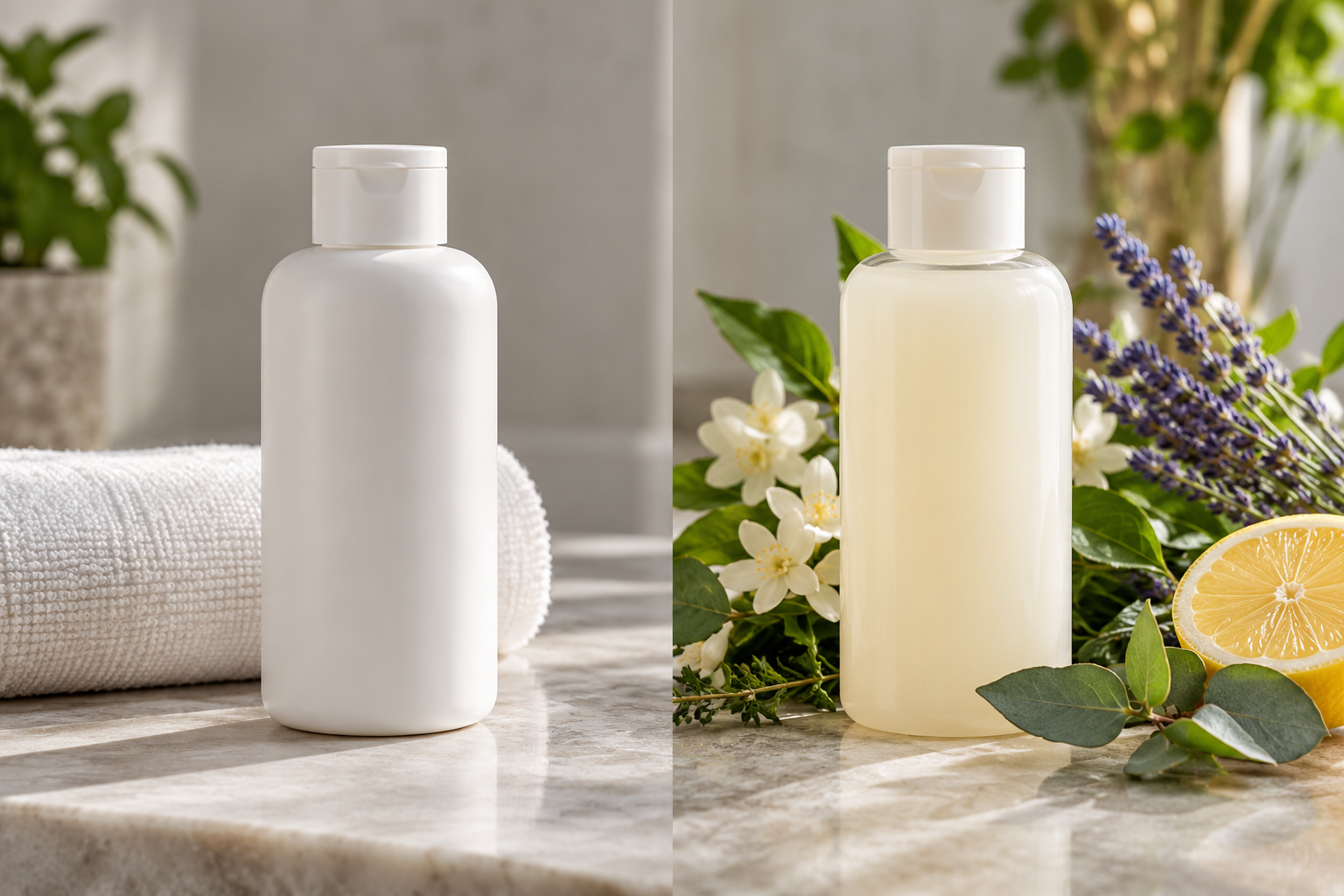
    Why Over-Cleansing Can Feel Drying

    Why Over-Cleansing Can Feel Drying is a useful question because everyday choices are often shaped by attractive labels and quick promises. A better approach is to slow down, identify what you actually need, and choose a product or habit that fits your routine. This guide focuses on simple ingredients, thoughtful use, and paying attention to how your skin responds.

    Begin with the real goal

    Before buying something new, describe the result you want in plain language. Are you trying to make washing more comfortable, create a calmer transition into the evening, reduce unnecessary packaging, or understand an ingredient? A specific goal makes it easier to compare options and avoid buying several products at once.

    For skin health & gentle care, context matters. A product that works well for one person may not suit another person’s skin, scent preferences, household, schedule, or budget. “Natural,” “clean,” and “premium” are not complete explanations by themselves. Look for transparent information about ingredients, use, storage, and limitations.

    Three practical checks

    • Start with a clear ingredient list and a realistic use case.
    • Introduce one new product at a time.
    • Stop and reassess if your skin feels uncomfortable.

    These checks are simple, but they help turn a vague purchase into a thoughtful decision. Keep notes when you are testing several products. If something causes a reaction or does not meet your needs, a short record can help you identify patterns instead of guessing.

    What to consider before using it

    Read the full label and follow the product directions. Pay attention to fragrance, essential oils, exfoliating materials, preservatives, and any ingredient you already know you do not tolerate. If a product is intended for skin, introduce it carefully and avoid using it on broken or irritated skin. For a recurring or severe reaction, ask a qualified health professional for advice. Cleveland Clinic guidance on the skin barrier offers helpful background for making safer, more informed choices.

    Keep the routine comfortable and proportionate. More product, stronger scent, longer use, or more frequent washing is not automatically better. Small adjustments—using less, rinsing well, allowing a bar to dry, or choosing a fragrance-free option—can make an everyday ritual easier to maintain.

    Make the habit easier to keep

    Place the product where you will use it, store it according to the maker’s directions, and choose a simple backup for busy days. A routine is more useful when it works on ordinary days, not only when you have extra time. Revisit the choice after a week or two and ask whether it is comfortable, affordable, and genuinely useful.

    Continue exploring this topic with our guide to How to Patch Test a New Skin-Care Product. You may also find our article on How to Choose a Cleanser When Skin Is Reactive helpful when planning your routine.

    The takeaway

    Why Over-Cleansing Can Feel Drying does not require perfection. Start with a clear goal, check the details, use a modest amount, and pay attention to your own experience. Thoughtful personal care is built from informed choices and repeatable habits—not from exaggerated promises.

    Educational note: This article is for general information and is not a substitute for medical, mental-health, or professional advice.

  • Fragrance-Free vs. Unscented: Why the Difference Matters

    Fragrance-Free vs. Unscented: Why the Difference Matters

    Fragrance-Free vs. Unscented: Why the Difference Matters is a useful question because everyday choices are often shaped by attractive labels and quick promises. A better approach is to slow down, identify what you actually need, and choose a product or habit that fits your routine. This guide focuses on simple ingredients, thoughtful use, and paying attention to how your skin responds.

    Begin with the real goal

    Before buying something new, describe the result you want in plain language. Are you trying to make washing more comfortable, create a calmer transition into the evening, reduce unnecessary packaging, or understand an ingredient? A specific goal makes it easier to compare options and avoid buying several products at once.

    For skin health & gentle care, context matters. A product that works well for one person may not suit another person’s skin, scent preferences, household, schedule, or budget. “Natural,” “clean,” and “premium” are not complete explanations by themselves. Look for transparent information about ingredients, use, storage, and limitations.

    Three practical checks

    • Start with a clear ingredient list and a realistic use case.
    • Introduce one new product at a time.
    • Stop and reassess if your skin feels uncomfortable.

    These checks are simple, but they help turn a vague purchase into a thoughtful decision. Keep notes when you are testing several products. If something causes a reaction or does not meet your needs, a short record can help you identify patterns instead of guessing.

    What to consider before using it

    Read the full label and follow the product directions. Pay attention to fragrance, essential oils, exfoliating materials, preservatives, and any ingredient you already know you do not tolerate. If a product is intended for skin, introduce it carefully and avoid using it on broken or irritated skin. For a recurring or severe reaction, ask a qualified health professional for advice. Cleveland Clinic guidance on the skin barrier offers helpful background for making safer, more informed choices.

    Keep the routine comfortable and proportionate. More product, stronger scent, longer use, or more frequent washing is not automatically better. Small adjustments—using less, rinsing well, allowing a bar to dry, or choosing a fragrance-free option—can make an everyday ritual easier to maintain.

    Make the habit easier to keep

    Place the product where you will use it, store it according to the maker’s directions, and choose a simple backup for busy days. A routine is more useful when it works on ordinary days, not only when you have extra time. Revisit the choice after a week or two and ask whether it is comfortable, affordable, and genuinely useful.

    Continue exploring this topic with our guide to How to Build a Simple Gentle-Care Routine. You may also find our article on How to Patch Test a New Skin-Care Product helpful when planning your routine.

    The takeaway

    Fragrance-Free vs. Unscented: Why the Difference Matters does not require perfection. Start with a clear goal, check the details, use a modest amount, and pay attention to your own experience. Thoughtful personal care is built from informed choices and repeatable habits—not from exaggerated promises.

    Educational note: This article is for general information and is not a substitute for medical, mental-health, or professional advice.
  • Warm Water vs. Hot Water for Skin Comfort

    Warm Water vs. Hot Water for Skin Comfort

    Warm Water vs. Hot Water for Skin Comfort is a useful question because everyday choices are often shaped by attractive labels and quick promises. A better approach is to slow down, identify what you actually need, and choose a product or habit that fits your routine. This guide focuses on simple ingredients, thoughtful use, and paying attention to how your skin responds.

    Begin with the real goal

    Before buying something new, describe the result you want in plain language. Are you trying to make washing more comfortable, create a calmer transition into the evening, reduce unnecessary packaging, or understand an ingredient? A specific goal makes it easier to compare options and avoid buying several products at once.

    For skin health & gentle care, context matters. A product that works well for one person may not suit another person’s skin, scent preferences, household, schedule, or budget. “Natural,” “clean,” and “premium” are not complete explanations by themselves. Look for transparent information about ingredients, use, storage, and limitations.

    Three practical checks

    • Start with a clear ingredient list and a realistic use case.
    • Introduce one new product at a time.
    • Stop and reassess if your skin feels uncomfortable.

    These checks are simple, but they help turn a vague purchase into a thoughtful decision. Keep notes when you are testing several products. If something causes a reaction or does not meet your needs, a short record can help you identify patterns instead of guessing.

    What to consider before using it

    Read the full label and follow the product directions. Pay attention to fragrance, essential oils, exfoliating materials, preservatives, and any ingredient you already know you do not tolerate. If a product is intended for skin, introduce it carefully and avoid using it on broken or irritated skin. For a recurring or severe reaction, ask a qualified health professional for advice. Cleveland Clinic guidance on the skin barrier offers helpful background for making safer, more informed choices.

    Keep the routine comfortable and proportionate. More product, stronger scent, longer use, or more frequent washing is not automatically better. Small adjustments—using less, rinsing well, allowing a bar to dry, or choosing a fragrance-free option—can make an everyday ritual easier to maintain.

    Make the habit easier to keep

    Place the product where you will use it, store it according to the maker’s directions, and choose a simple backup for busy days. A routine is more useful when it works on ordinary days, not only when you have extra time. Revisit the choice after a week or two and ask whether it is comfortable, affordable, and genuinely useful.

    Continue exploring this topic with our guide to What the Skin Barrier Does Every Day. You may also find our article on How to Build a Simple Gentle-Care Routine helpful when planning your routine.

    The takeaway

    Warm Water vs. Hot Water for Skin Comfort does not require perfection. Start with a clear goal, check the details, use a modest amount, and pay attention to your own experience. Thoughtful personal care is built from informed choices and repeatable habits—not from exaggerated promises.

    Educational note: This article is for general information and is not a substitute for medical, mental-health, or professional advice.
  • How to Build a Simple Gentle-Care Routine

    How to Build a Simple Gentle-Care Routine

    How to Build a Simple Gentle-Care Routine is a useful question because everyday choices are often shaped by attractive labels and quick promises. A better approach is to slow down, identify what you actually need, and choose a product or habit that fits your routine. This guide focuses on simple ingredients, thoughtful use, and paying attention to how your skin responds.

    Begin with the real goal

    Before buying something new, describe the result you want in plain language. Are you trying to make washing more comfortable, create a calmer transition into the evening, reduce unnecessary packaging, or understand an ingredient? A specific goal makes it easier to compare options and avoid buying several products at once.

    For skin health & gentle care, context matters. A product that works well for one person may not suit another person’s skin, scent preferences, household, schedule, or budget. “Natural,” “clean,” and “premium” are not complete explanations by themselves. Look for transparent information about ingredients, use, storage, and limitations.

    Three practical checks

    • Start with a clear ingredient list and a realistic use case.
    • Introduce one new product at a time.
    • Stop and reassess if your skin feels uncomfortable.

    These checks are simple, but they help turn a vague purchase into a thoughtful decision. Keep notes when you are testing several products. If something causes a reaction or does not meet your needs, a short record can help you identify patterns instead of guessing.

    What to consider before using it

    Read the full label and follow the product directions. Pay attention to fragrance, essential oils, exfoliating materials, preservatives, and any ingredient you already know you do not tolerate. If a product is intended for skin, introduce it carefully and avoid using it on broken or irritated skin. For a recurring or severe reaction, ask a qualified health professional for advice. Cleveland Clinic guidance on the skin barrier offers helpful background for making safer, more informed choices.

    Keep the routine comfortable and proportionate. More product, stronger scent, longer use, or more frequent washing is not automatically better. Small adjustments—using less, rinsing well, allowing a bar to dry, or choosing a fragrance-free option—can make an everyday ritual easier to maintain.

    Make the habit easier to keep

    Place the product where you will use it, store it according to the maker’s directions, and choose a simple backup for busy days. A routine is more useful when it works on ordinary days, not only when you have extra time. Revisit the choice after a week or two and ask whether it is comfortable, affordable, and genuinely useful.

    Continue exploring this topic with our guide to Warm Water vs. Hot Water for Skin Comfort. You may also find our article on Fragrance-Free vs. Unscented: Why the Difference Matters helpful when planning your routine.

    The takeaway

    How to Build a Simple Gentle-Care Routine does not require perfection. Start with a clear goal, check the details, use a modest amount, and pay attention to your own experience. Thoughtful personal care is built from informed choices and repeatable habits—not from exaggerated promises.

    Educational note: This article is for general information and is not a substitute for medical, mental-health, or professional advice.

  • What the Skin Barrier Does Every Day

    What the Skin Barrier Does Every Day

    What the Skin Barrier Does Every Day is a useful question because everyday choices are often shaped by attractive labels and quick promises. A better approach is to slow down, identify what you actually need, and choose a product or habit that fits your routine. This guide focuses on simple ingredients, thoughtful use, and paying attention to how your skin responds.

    Begin with the real goal

    Before buying something new, describe the result you want in plain language. Are you trying to make washing more comfortable, create a calmer transition into the evening, reduce unnecessary packaging, or understand an ingredient? A specific goal makes it easier to compare options and avoid buying several products at once.

    For skin health & gentle care, context matters. A product that works well for one person may not suit another person’s skin, scent preferences, household, schedule, or budget. “Natural,” “clean,” and “premium” are not complete explanations by themselves. Look for transparent information about ingredients, use, storage, and limitations.

    Three practical checks

    • Start with a clear ingredient list and a realistic use case.
    • Introduce one new product at a time.
    • Stop and reassess if your skin feels uncomfortable.

    These checks are simple, but they help turn a vague purchase into a thoughtful decision. Keep notes when you are testing several products. If something causes a reaction or does not meet your needs, a short record can help you identify patterns instead of guessing.

    What to consider before using it

    Read the full label and follow the product directions. Pay attention to fragrance, essential oils, exfoliating materials, preservatives, and any ingredient you already know you do not tolerate. If a product is intended for skin, introduce it carefully and avoid using it on broken or irritated skin. For a recurring or severe reaction, ask a qualified health professional for advice. Cleveland Clinic guidance on the skin barrier offers helpful background for making safer, more informed choices.

    Keep the routine comfortable and proportionate. More product, stronger scent, longer use, or more frequent washing is not automatically better. Small adjustments—using less, rinsing well, allowing a bar to dry, or choosing a fragrance-free option—can make an everyday ritual easier to maintain.

    Make the habit easier to keep

    Place the product where you will use it, store it according to the maker’s directions, and choose a simple backup for busy days. A routine is more useful when it works on ordinary days, not only when you have extra time. Revisit the choice after a week or two and ask whether it is comfortable, affordable, and genuinely useful.

    Continue exploring this topic with our guide to When to Ask a Dermatologist About Irritation. You may also find our article on Warm Water vs. Hot Water for Skin Comfort helpful when planning your routine.

    The takeaway

    What the Skin Barrier Does Every Day does not require perfection. Start with a clear goal, check the details, use a modest amount, and pay attention to your own experience. Thoughtful personal care is built from informed choices and repeatable habits—not from exaggerated promises.

    Educational note: This article is for general information and is not a substitute for medical, mental-health, or professional advice.