Weather changes the environment the skin lives in, so the same routine may feel different in cold dry air, humid heat, or heavy wind; adjusting the number
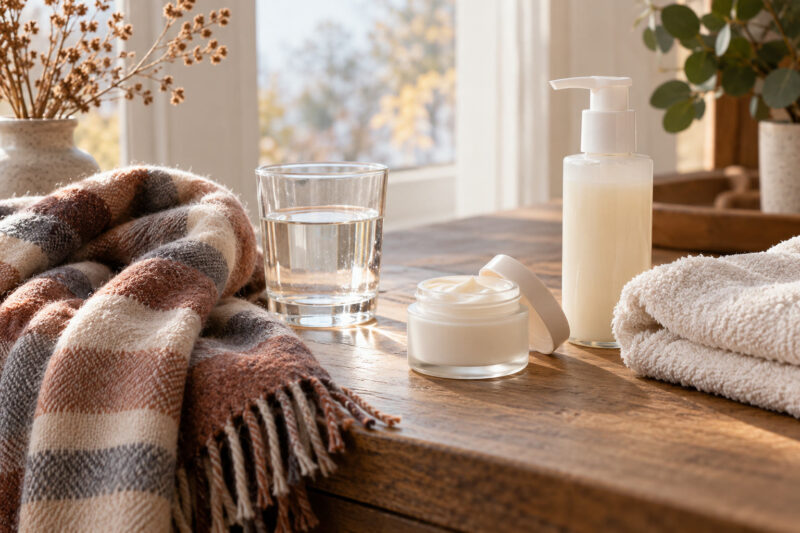
Weather changes the environment the skin lives in, so the same routine may feel different in cold dry air, humid heat, or heavy wind; adjusting the number
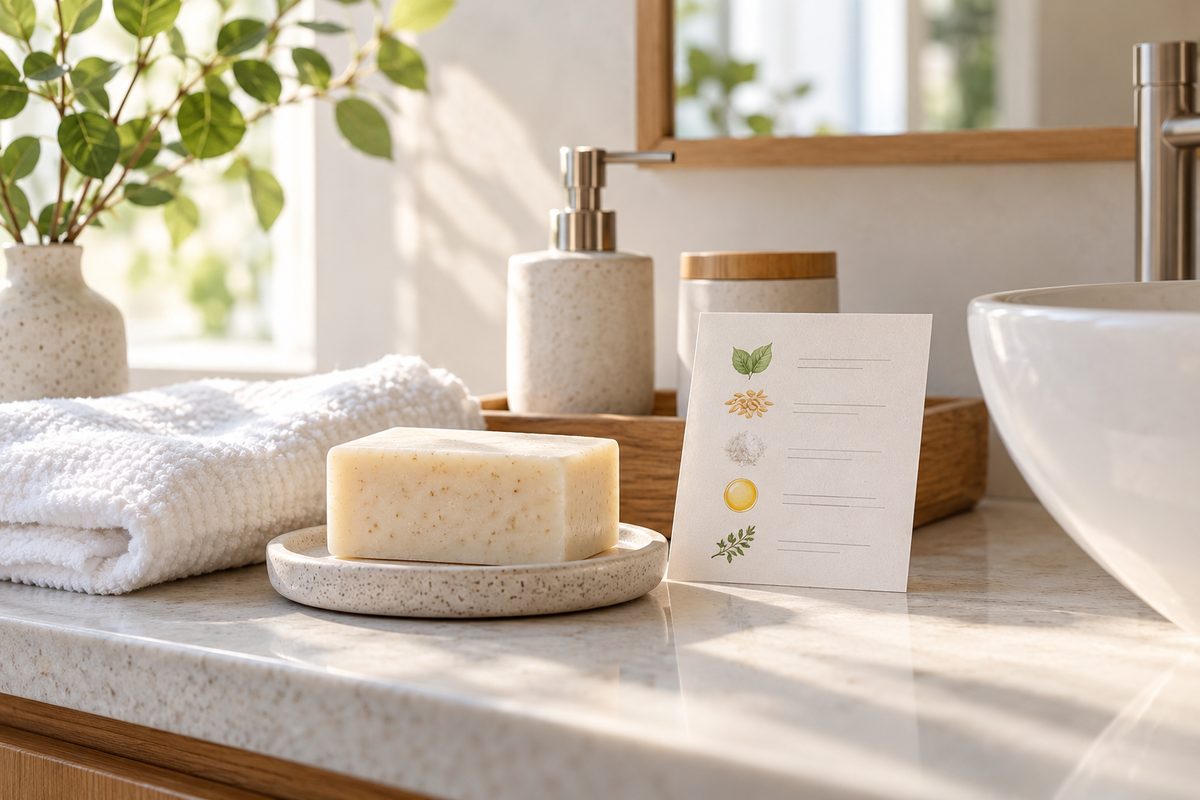
A skin-care label is easier to use when you treat it as a set of separate questions: what the product is for, how it should be applied, what is in it, and
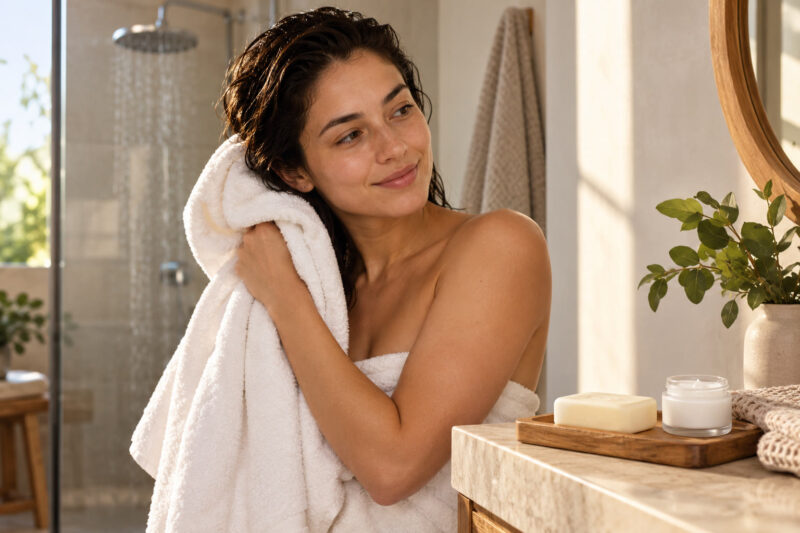
Dryness after a shower is often shaped by the whole routine rather than by one product; water temperature, shower length, cleanser, towel use, and the time
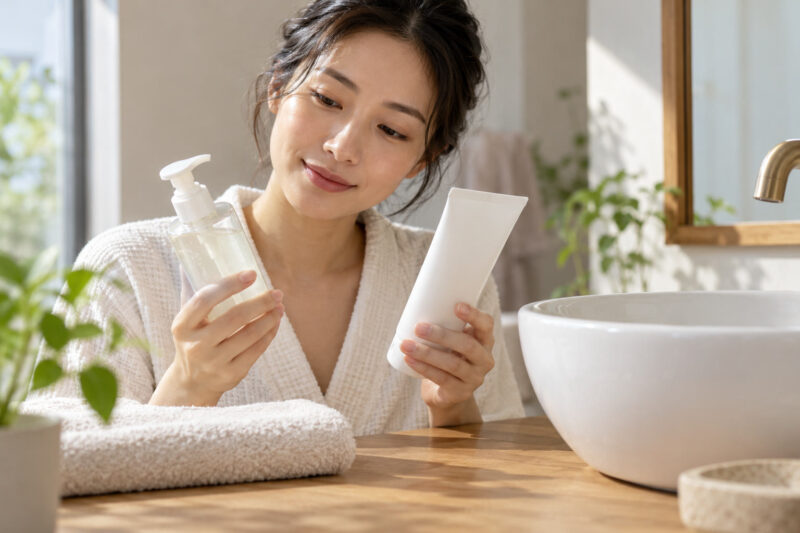
When skin is reactive, the best cleanser is not necessarily the one with the longest list of soothing ingredients; a clearer formula, short contact time, a
A moisturizer can make skin feel more comfortable and help reduce water loss, but formulas work in different ways; the useful product is one that fits your
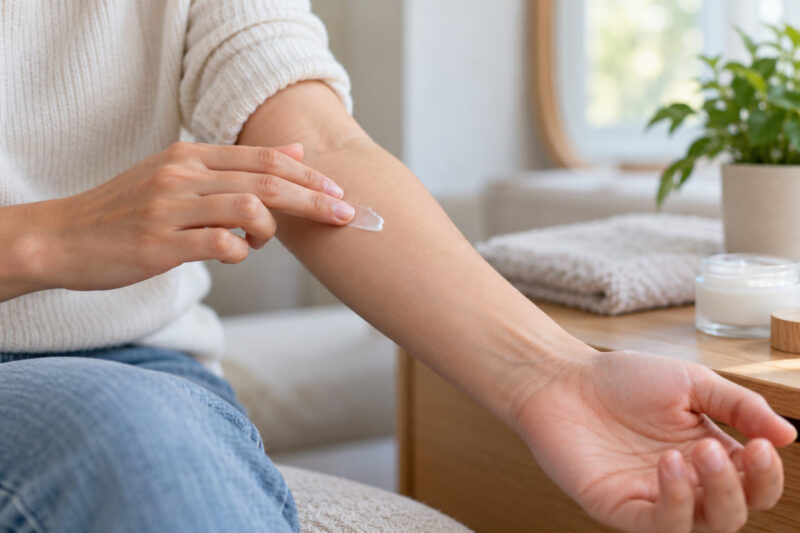
A patch test is a small, controlled way to introduce a new product rather than learning about a reaction across your whole face or body; it can’t predict e
Over-cleansing can mean using a strong product too often, leaving it on too long, scrubbing too hard, or washing areas that do not need it; the result can
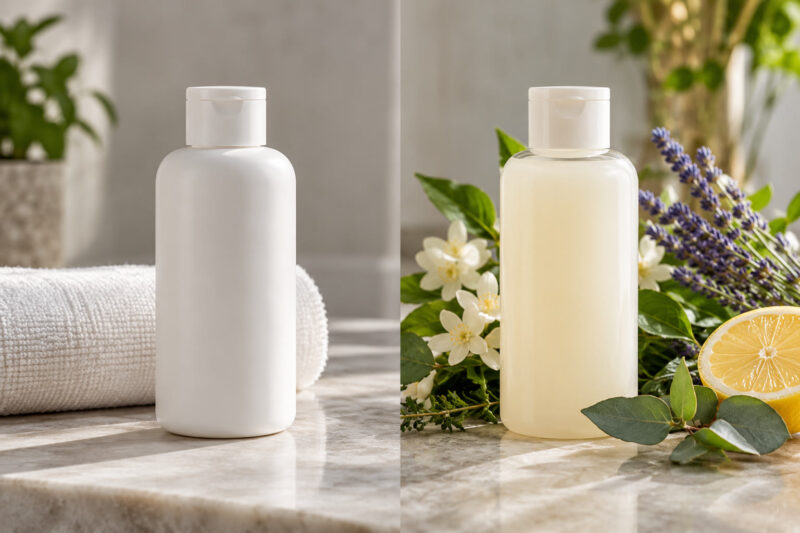
Fragrance-free and unscented are related claims, but they do not always mean the same thing; a product may be fragrance-free because no fragrance was added
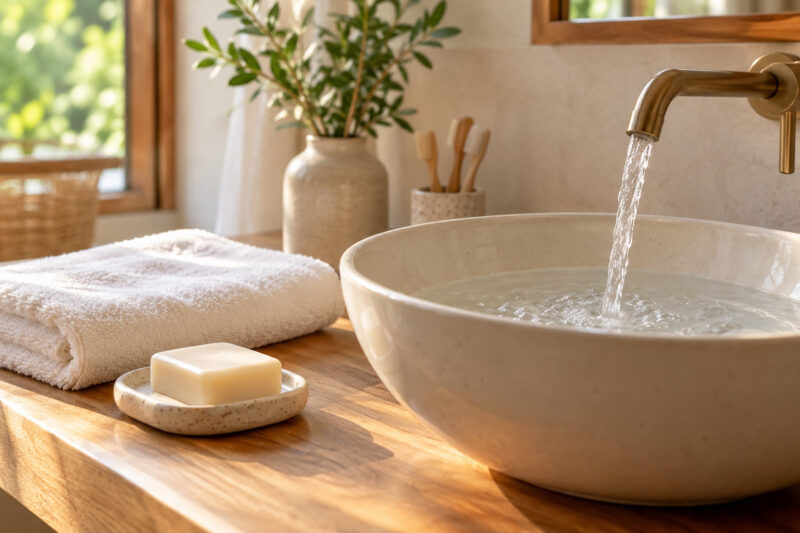
Warm water is usually easier on skin than very hot water because heat can intensify cleansing and leave the surface feeling dry; the difference is not only
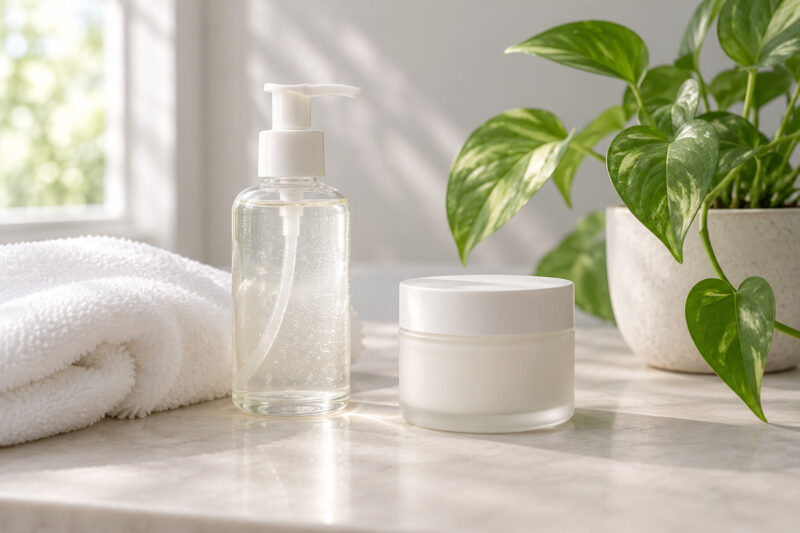
A gentle skin routine doesn’t need many steps. The useful foundation is a cleanser you can tolerate, a moisturizer that fits your skin, sun protection whe