A comfortable bath is built from temperature, duration, cleanser choice, and what happens afterward; the goal is not to remove every trace of oil but to wa
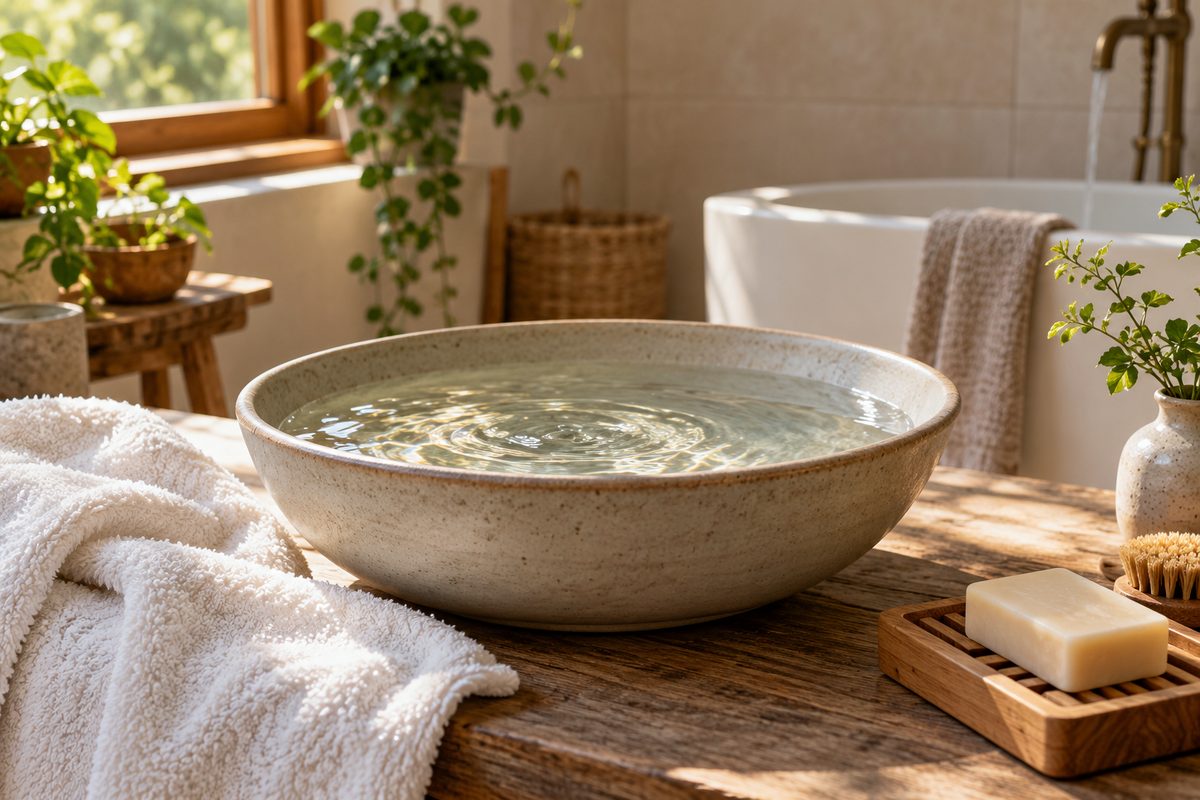
A comfortable bath is built from temperature, duration, cleanser choice, and what happens afterward; the goal is not to remove every trace of oil but to wa
Introducing one new product at a time makes it easier to learn whether a change is comfortable or problematic. It turns a scattered collection of purchase
A stinging product is a signal to stop and remove it, not a challenge to see how long the skin can endure; the first response is dilution or rinsing with w
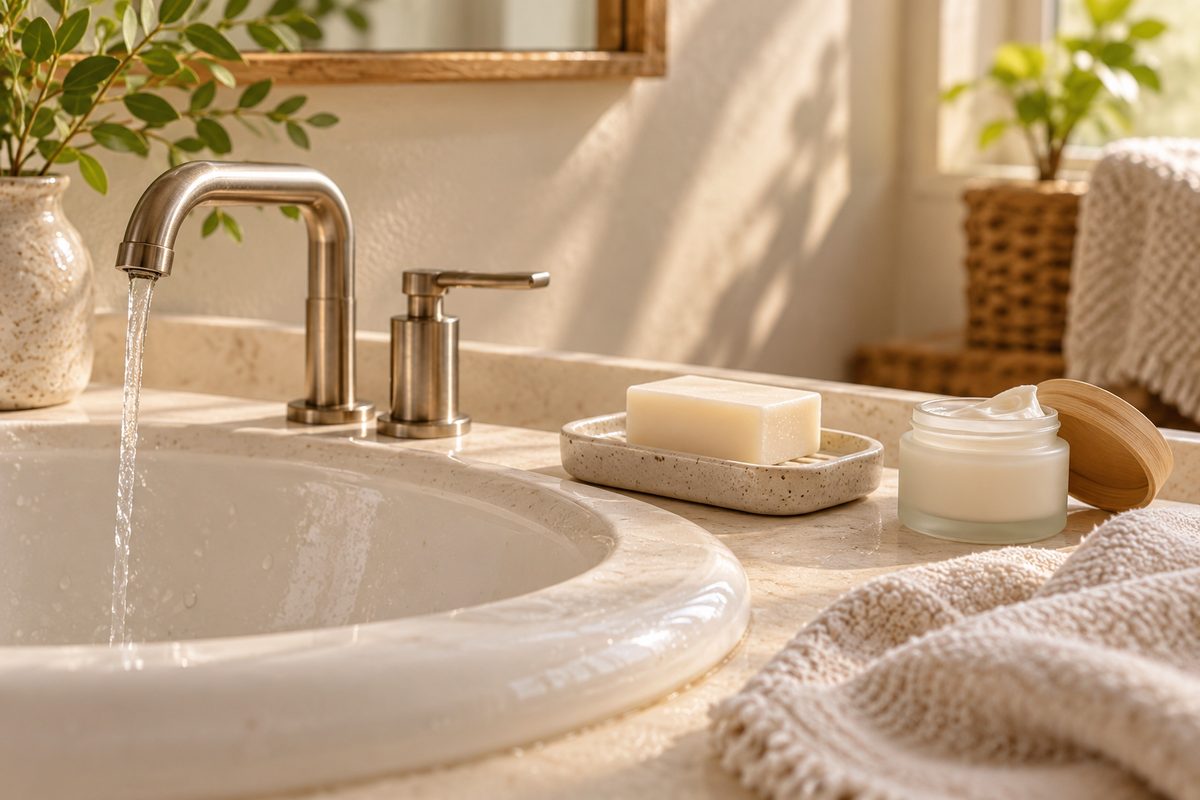
Frequent handwashing is part of everyday hygiene, but the wrong combination of soap, water, and towel use can leave hands dry. A practical routine balance
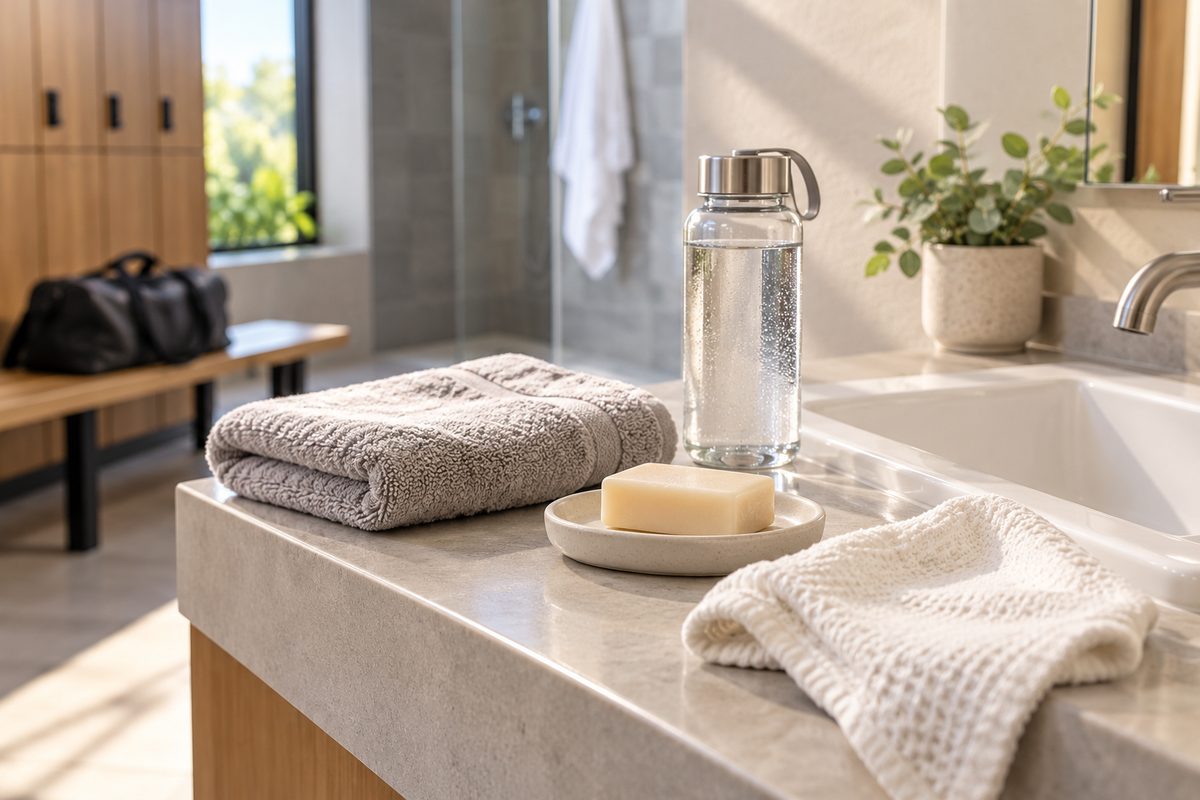
After exercise, the skin may be covered in sweat, sunscreen, pool water, or dust; the practical response is to rinse or cleanse without turning post-workou
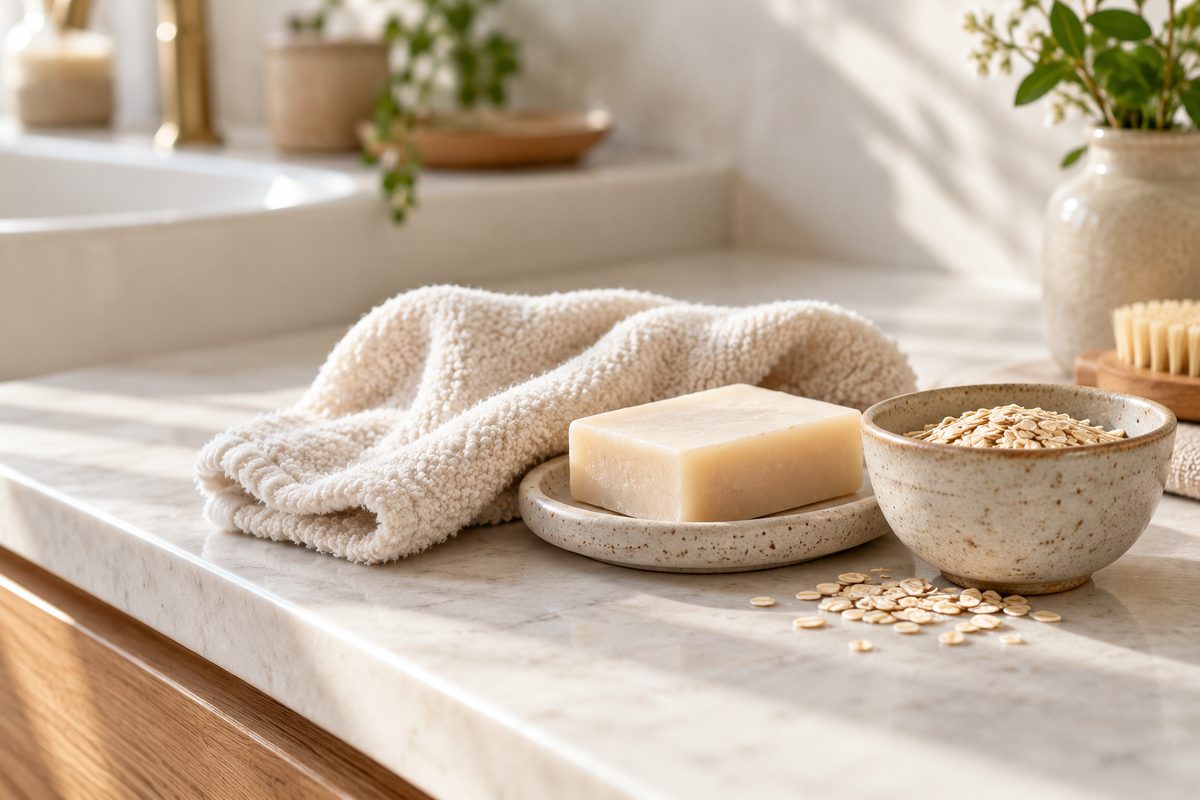
Scrubbing can remove dead skin cells and create a temporary smooth feeling, but more pressure, more grit, or more frequent exfoliation can leave the skin i
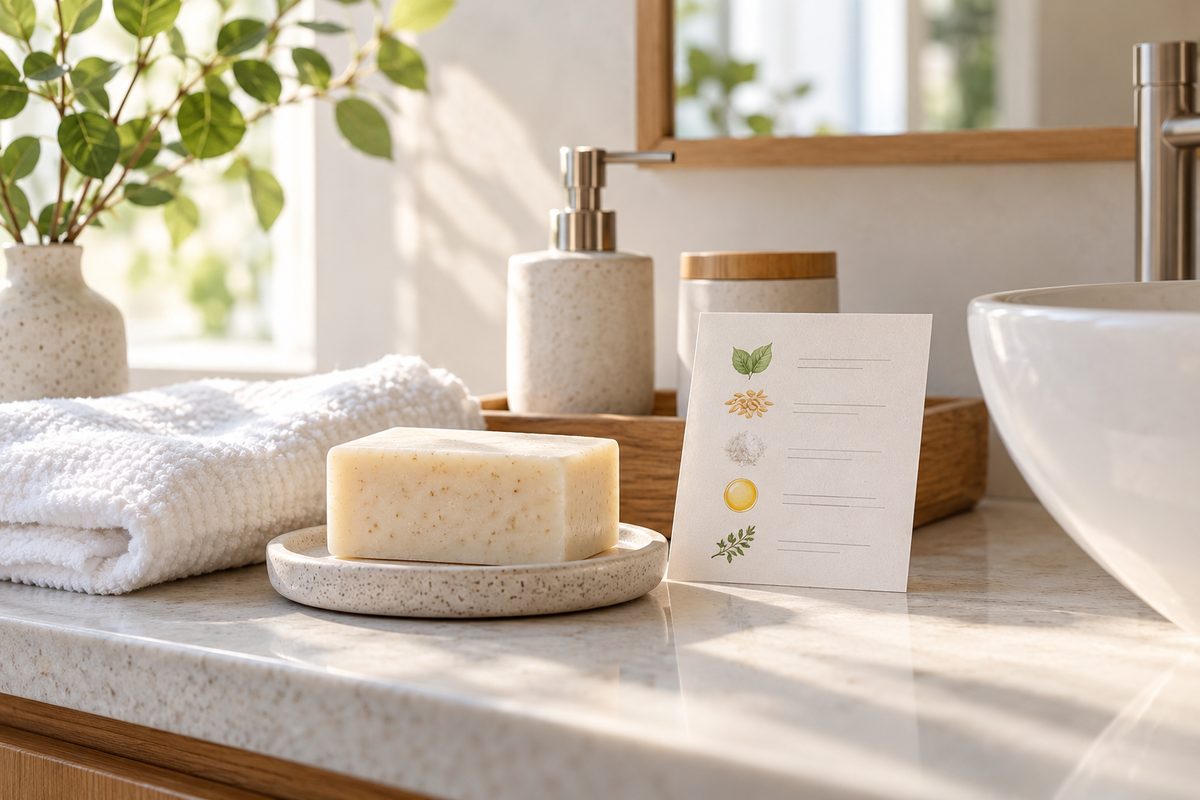
A skin-care label is easier to use when you treat it as a set of separate questions: what the product is for, how it should be applied, what is in it, and
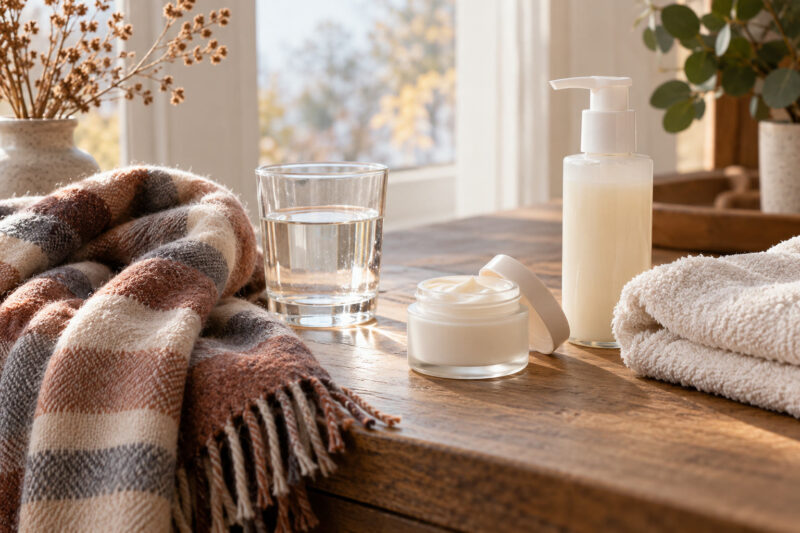
Weather changes the environment the skin lives in, so the same routine may feel different in cold dry air, humid heat, or heavy wind; adjusting the number

Dryness after a shower is often shaped by the whole routine rather than by one product; water temperature, shower length, cleanser, towel use, and the time
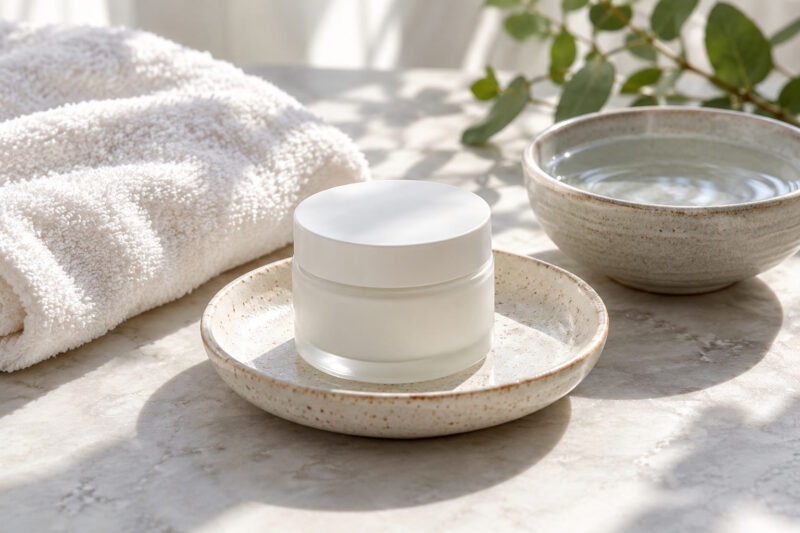
A moisturizer can make skin feel more comfortable and help reduce water loss, but formulas work in different ways; the useful product is one that fits your