Author: soapmaster

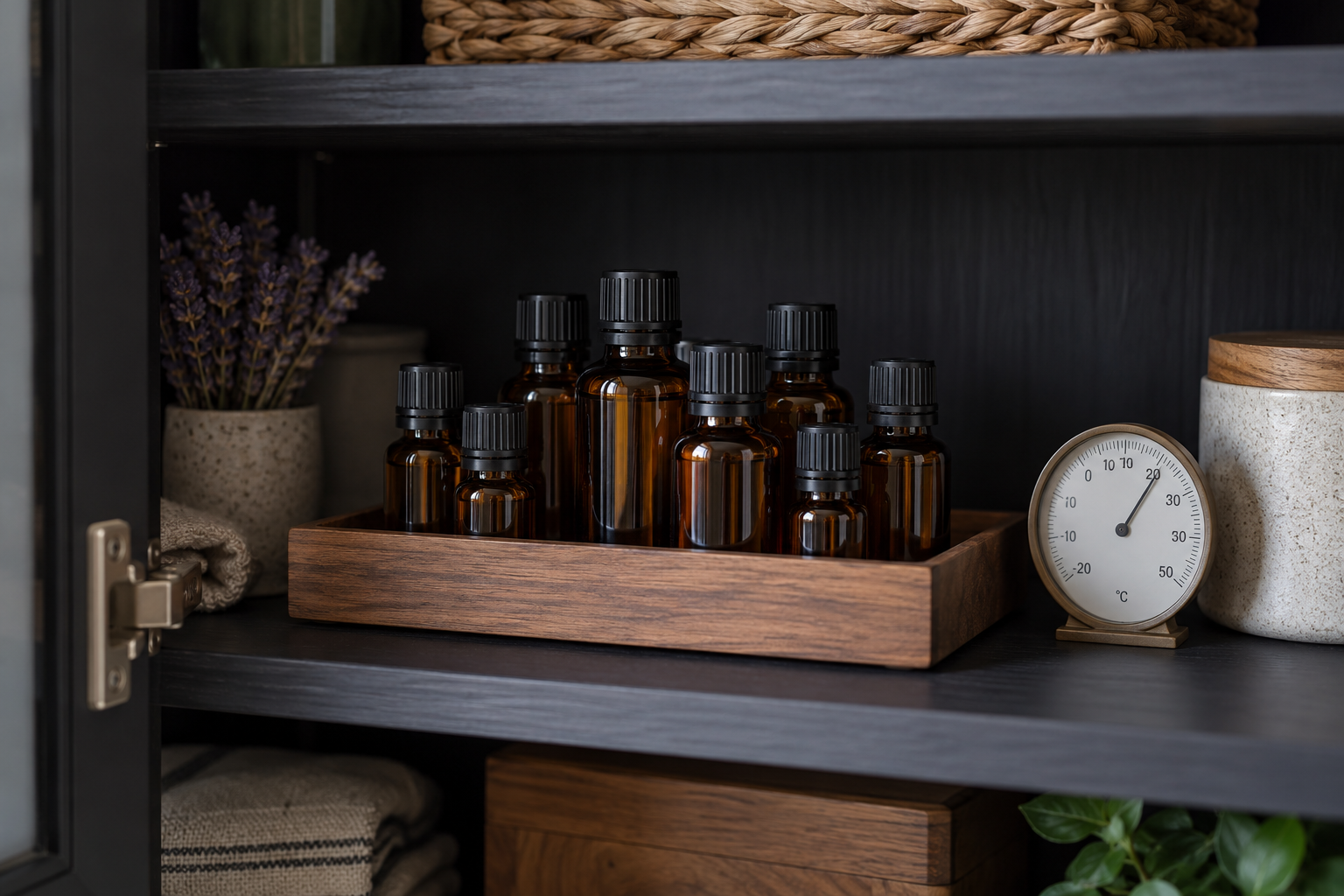
  • How to Store Essential Oils Properly

    How to Store Essential Oils Properly

    How to Store Essential Oils Properly is most useful when it answers a real question rather than repeating a broad promise. The right choice depends on what you are trying to change, what information is available, and how the decision fits your home, body, schedule, or budget. This guide focuses on using scent thoughtfully while respecting concentration, exposure, and personal tolerance.

    Why How to Store Essential Oils Properly deserves a closer look

    The phrase “How to Store Essential Oils Properly” can sound simple, but the practical meaning changes with context. A product, ingredient, or routine can be sensible in one situation and unhelpful in another. Begin by naming the result you want from how to store essential oils properly: more comfort, clearer information, less waste, a calmer transition, or a more consistent habit.

    For essential oils and aromatherapy, the useful question is not whether something sounds appealing. It is whether the details support the way you plan to use it. Look for clear instructions, realistic limits, and enough information to compare it with another option.

    Start with the situation behind How to Store Essential Oils Properly

    Before changing anything, notice when the question comes up. If you are choosing a product, identify the job it needs to do. If you are building a routine, identify the moment it should support. If you are reducing waste, identify what you already use and why it gets replaced. This small bit of context prevents a general recommendation from becoming an unnecessary purchase or an overly ambitious plan.

    It also helps to separate the immediate experience from the larger claim. A pleasant scent, a rich lather, a tidy counter, or a promising label can be valuable, but each is only one part of the decision. Give more weight to transparent information and to what happens consistently in your own use.

    The details that shape How to Store Essential Oils Properly

    • How the oil is being used.
    • Who may need extra caution.
    • What to do if discomfort appears.

    These checks give How to Store Essential Oils Properly a practical boundary. They help you compare like with like and make it easier to notice when a product or habit is not meeting its purpose. Keep the first change small enough that you can tell what caused an improvement—or a problem.

    A practical way to try How to Store Essential Oils Properly

    Try the simplest version first: start with less exposure, good ventilation, and a clear stop point. Use it under ordinary conditions rather than waiting for a perfect day. If you are testing a skin or fragrance product, avoid introducing several new variables at once. If you are changing a self-care or sustainability habit, make the setup visible and convenient so the action does not depend on extra motivation.

    Give yourself a clear review point. Ask whether the choice was comfortable, useful, affordable, and realistic to continue. A result that looks impressive once but creates friction every day is usually less valuable than a modest option you can maintain.

    Questions to ask before deciding on How to Store Essential Oils Properly

    Ask what the maker or source explains clearly, what the directions assume, and what limitations are easy to miss. Consider who else may be affected: children, pets, people with reactive skin, housemates with different preferences, or anyone sharing the product. When the question involves a persistent reaction or significant distress, seek qualified professional guidance instead of trying to solve it through repeated product changes.

    For a purchase, also ask whether you can use what you already have, whether the packaging is proportionate to the product, and whether a less complicated choice would do the same job. For a routine, ask whether it still works during a busy week. Good decisions remain useful when circumstances are ordinary.

    What to remember about How to Store Essential Oils Properly

    How to Store Essential Oils Properly does not require a perfect formula or a flawless routine. Start with the actual purpose, check the details that matter, make one manageable change, and pay attention to the result. That approach keeps the decision grounded in evidence and lived experience rather than in repetition or exaggerated promises.

    Educational note: This article is for general information and is not a substitute for medical, mental-health, or professional advice.
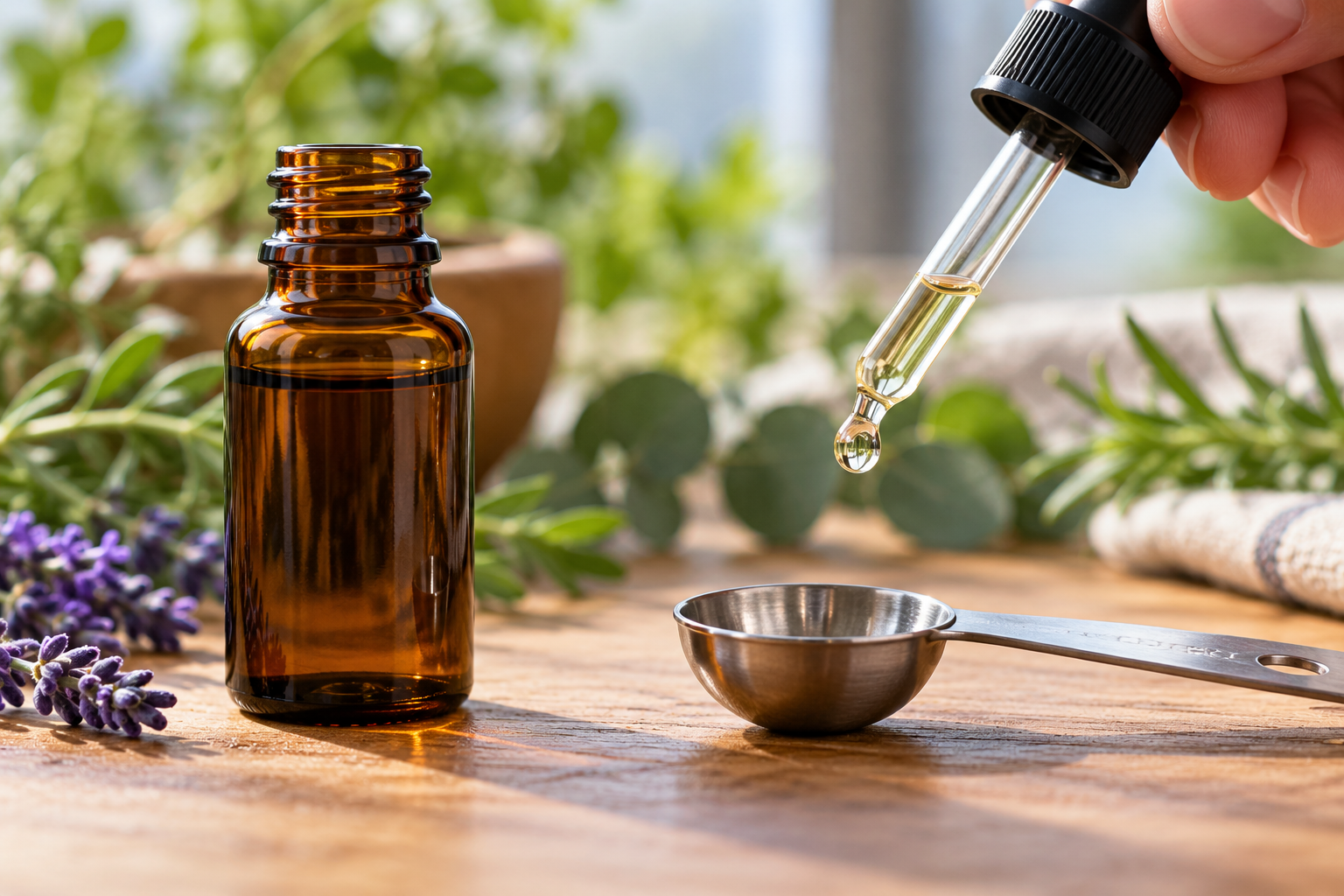

  • Why More Essential Oil Is Not Better

    Why More Essential Oil Is Not Better

    Why More Essential Oil Is Not Better is most useful when it answers a real question rather than repeating a broad promise. The right choice depends on what you are trying to change, what information is available, and how the decision fits your home, body, schedule, or budget. This guide focuses on using scent thoughtfully while respecting concentration, exposure, and personal tolerance.

    Why Why More Essential Oil Is Not Better deserves a closer look

    The phrase “Why More Essential Oil Is Not Better” can sound simple, but the practical meaning changes with context. A product, ingredient, or routine can be sensible in one situation and unhelpful in another. Begin by naming the result you want from why more essential oil is not better: more comfort, clearer information, less waste, a calmer transition, or a more consistent habit.

    For essential oils and aromatherapy, the useful question is not whether something sounds appealing. It is whether the details support the way you plan to use it. Look for clear instructions, realistic limits, and enough information to compare it with another option.

    Start with the situation behind Why More Essential Oil Is Not Better

    Before changing anything, notice when the question comes up. If you are choosing a product, identify the job it needs to do. If you are building a routine, identify the moment it should support. If you are reducing waste, identify what you already use and why it gets replaced. This small bit of context prevents a general recommendation from becoming an unnecessary purchase or an overly ambitious plan.

    It also helps to separate the immediate experience from the larger claim. A pleasant scent, a rich lather, a tidy counter, or a promising label can be valuable, but each is only one part of the decision. Give more weight to transparent information and to what happens consistently in your own use.

    The details that shape Why More Essential Oil Is Not Better

    • How the oil is being used.
    • Who may need extra caution.
    • What to do if discomfort appears.

    These checks give Why More Essential Oil Is Not Better a practical boundary. They help you compare like with like and make it easier to notice when a product or habit is not meeting its purpose. Keep the first change small enough that you can tell what caused an improvement—or a problem.

    A practical way to try Why More Essential Oil Is Not Better

    Try the simplest version first: start with less exposure, good ventilation, and a clear stop point. Use it under ordinary conditions rather than waiting for a perfect day. If you are testing a skin or fragrance product, avoid introducing several new variables at once. If you are changing a self-care or sustainability habit, make the setup visible and convenient so the action does not depend on extra motivation.

    Give yourself a clear review point. Ask whether the choice was comfortable, useful, affordable, and realistic to continue. A result that looks impressive once but creates friction every day is usually less valuable than a modest option you can maintain.

    Questions to ask before deciding on Why More Essential Oil Is Not Better

    Ask what the maker or source explains clearly, what the directions assume, and what limitations are easy to miss. Consider who else may be affected: children, pets, people with reactive skin, housemates with different preferences, or anyone sharing the product. When the question involves a persistent reaction or significant distress, seek qualified professional guidance instead of trying to solve it through repeated product changes.

    For a purchase, also ask whether you can use what you already have, whether the packaging is proportionate to the product, and whether a less complicated choice would do the same job. For a routine, ask whether it still works during a busy week. Good decisions remain useful when circumstances are ordinary.

    What to remember about Why More Essential Oil Is Not Better

    Why More Essential Oil Is Not Better does not require a perfect formula or a flawless routine. Start with the actual purpose, check the details that matter, make one manageable change, and pay attention to the result. That approach keeps the decision grounded in evidence and lived experience rather than in repetition or exaggerated promises.

    Educational note: This article is for general information and is not a substitute for medical, mental-health, or professional advice.
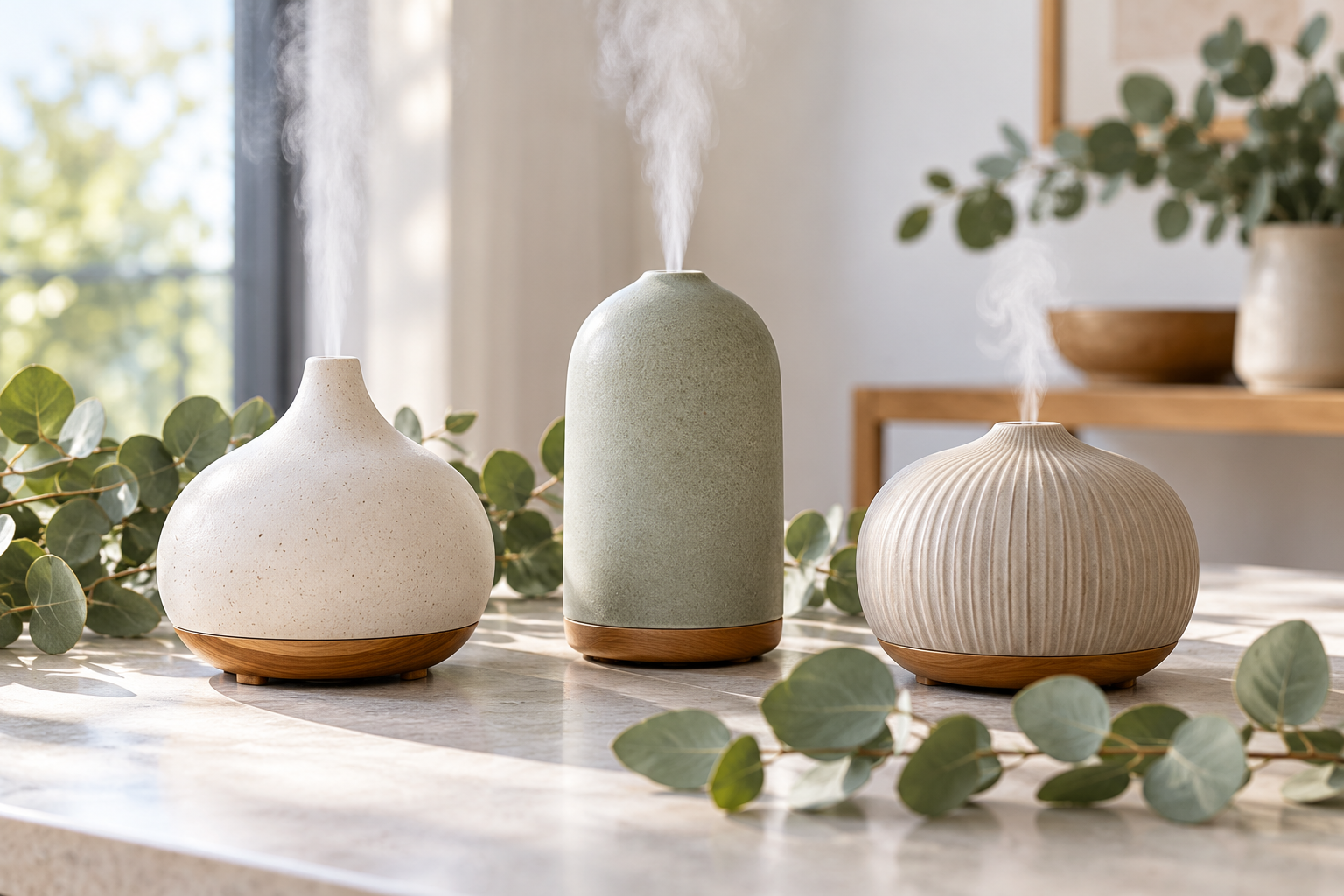
  • Aromatherapy and Sleep: What Research Can Say

    Aromatherapy and Sleep: What Research Can Say

    Aromatherapy and Sleep: What Research Can Say is most useful when it answers a real question rather than repeating a broad promise. The right choice depends on what you are trying to change, what information is available, and how the decision fits your home, body, schedule, or budget. This guide focuses on using scent thoughtfully while respecting concentration, exposure, and personal tolerance.

    Why Aromatherapy and Sleep deserves a closer look

    The phrase “Aromatherapy and Sleep” can sound simple, but the practical meaning changes with context. A product, ingredient, or routine can be sensible in one situation and unhelpful in another. Begin by naming the result you want from aromatherapy and sleep: what research can say: more comfort, clearer information, less waste, a calmer transition, or a more consistent habit.

    For essential oils and aromatherapy, the useful question is not whether something sounds appealing. It is whether the details support the way you plan to use it. Look for clear instructions, realistic limits, and enough information to compare it with another option.

    Start with the situation behind Aromatherapy and Sleep

    Before changing anything, notice when the question comes up. If you are choosing a product, identify the job it needs to do. If you are building a routine, identify the moment it should support. If you are reducing waste, identify what you already use and why it gets replaced. This small bit of context prevents a general recommendation from becoming an unnecessary purchase or an overly ambitious plan.

    It also helps to separate the immediate experience from the larger claim. A pleasant scent, a rich lather, a tidy counter, or a promising label can be valuable, but each is only one part of the decision. Give more weight to transparent information and to what happens consistently in your own use.

    The details that shape Aromatherapy and Sleep

    • How the oil is being used.
    • Who may need extra caution.
    • What to do if discomfort appears.

    These checks give Aromatherapy and Sleep a practical boundary. They help you compare like with like and make it easier to notice when a product or habit is not meeting its purpose. Keep the first change small enough that you can tell what caused an improvement—or a problem.

    A practical way to try Aromatherapy and Sleep

    Try the simplest version first: start with less exposure, good ventilation, and a clear stop point. Use it under ordinary conditions rather than waiting for a perfect day. If you are testing a skin or fragrance product, avoid introducing several new variables at once. If you are changing a self-care or sustainability habit, make the setup visible and convenient so the action does not depend on extra motivation.

    Give yourself a clear review point. Ask whether the choice was comfortable, useful, affordable, and realistic to continue. A result that looks impressive once but creates friction every day is usually less valuable than a modest option you can maintain.

    Questions to ask before deciding on Aromatherapy and Sleep

    Ask what the maker or source explains clearly, what the directions assume, and what limitations are easy to miss. Consider who else may be affected: children, pets, people with reactive skin, housemates with different preferences, or anyone sharing the product. When the question involves a persistent reaction or significant distress, seek qualified professional guidance instead of trying to solve it through repeated product changes.

    For a purchase, also ask whether you can use what you already have, whether the packaging is proportionate to the product, and whether a less complicated choice would do the same job. For a routine, ask whether it still works during a busy week. Good decisions remain useful when circumstances are ordinary.

    What to remember about Aromatherapy and Sleep

    Aromatherapy and Sleep: What Research Can Say does not require a perfect formula or a flawless routine. Start with the actual purpose, check the details that matter, make one manageable change, and pay attention to the result. That approach keeps the decision grounded in evidence and lived experience rather than in repetition or exaggerated promises.

    Educational note: This article is for general information and is not a substitute for medical, mental-health, or professional advice.
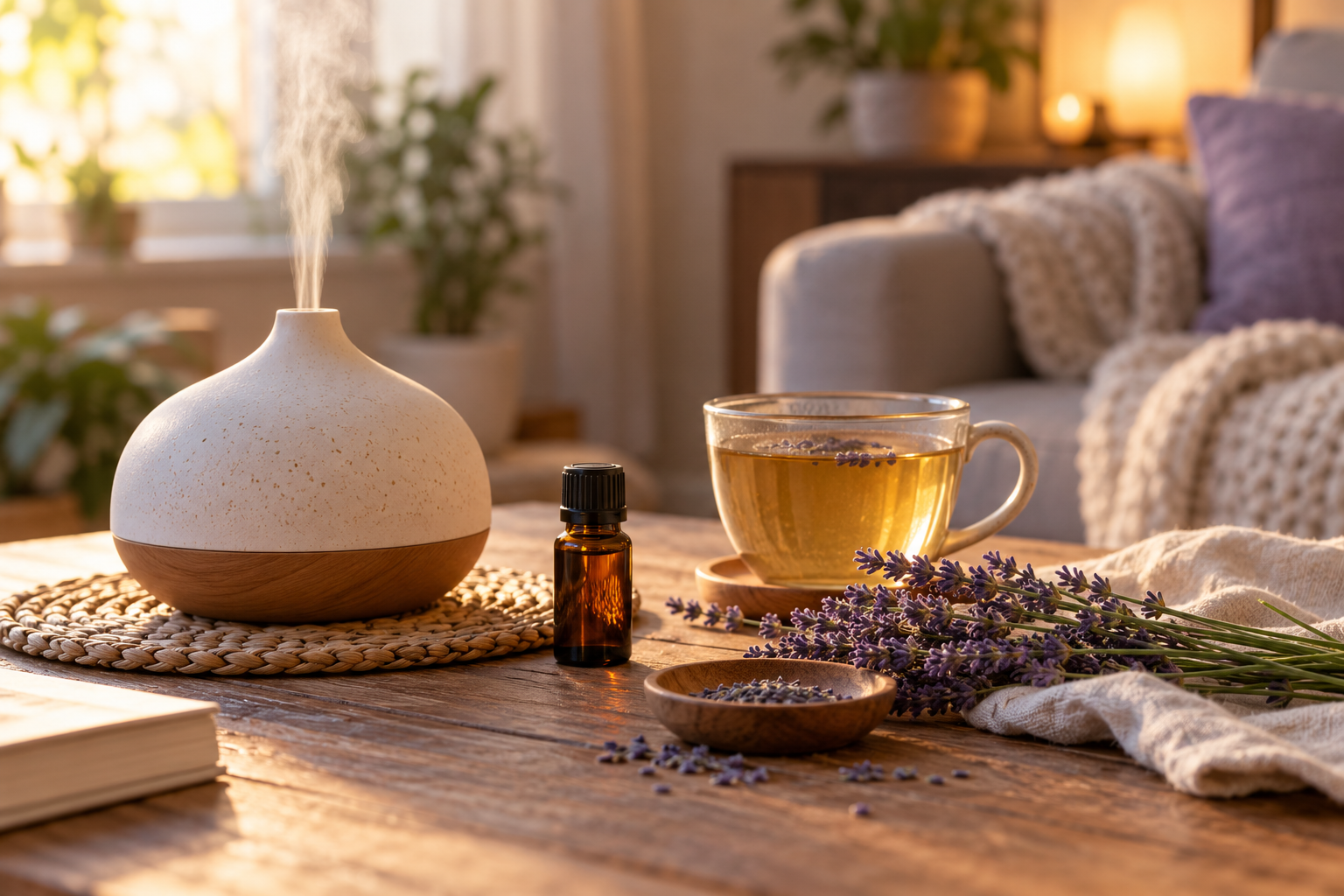
  • How to Choose an Essential Oil Diffuser

    How to Choose an Essential Oil Diffuser

    How to Choose an Essential Oil Diffuser is most useful when it answers a real question rather than repeating a broad promise. The right choice depends on what you are trying to change, what information is available, and how the decision fits your home, body, schedule, or budget. This guide focuses on using scent thoughtfully while respecting concentration, exposure, and personal tolerance.

    Why How to Choose an Essential Oil Diffuser deserves a closer look

    The phrase “How to Choose an Essential Oil Diffuser” can sound simple, but the practical meaning changes with context. A product, ingredient, or routine can be sensible in one situation and unhelpful in another. Begin by naming the result you want from how to choose an essential oil diffuser: more comfort, clearer information, less waste, a calmer transition, or a more consistent habit.

    For essential oils and aromatherapy, the useful question is not whether something sounds appealing. It is whether the details support the way you plan to use it. Look for clear instructions, realistic limits, and enough information to compare it with another option.

    Start with the situation behind How to Choose an Essential Oil Diffuser

    Before changing anything, notice when the question comes up. If you are choosing a product, identify the job it needs to do. If you are building a routine, identify the moment it should support. If you are reducing waste, identify what you already use and why it gets replaced. This small bit of context prevents a general recommendation from becoming an unnecessary purchase or an overly ambitious plan.

    It also helps to separate the immediate experience from the larger claim. A pleasant scent, a rich lather, a tidy counter, or a promising label can be valuable, but each is only one part of the decision. Give more weight to transparent information and to what happens consistently in your own use.

    The details that shape How to Choose an Essential Oil Diffuser

    • How the oil is being used.
    • Who may need extra caution.
    • What to do if discomfort appears.

    These checks give How to Choose an Essential Oil Diffuser a practical boundary. They help you compare like with like and make it easier to notice when a product or habit is not meeting its purpose. Keep the first change small enough that you can tell what caused an improvement—or a problem.

    A practical way to try How to Choose an Essential Oil Diffuser

    Try the simplest version first: start with less exposure, good ventilation, and a clear stop point. Use it under ordinary conditions rather than waiting for a perfect day. If you are testing a skin or fragrance product, avoid introducing several new variables at once. If you are changing a self-care or sustainability habit, make the setup visible and convenient so the action does not depend on extra motivation.

    Give yourself a clear review point. Ask whether the choice was comfortable, useful, affordable, and realistic to continue. A result that looks impressive once but creates friction every day is usually less valuable than a modest option you can maintain.

    Questions to ask before deciding on How to Choose an Essential Oil Diffuser

    Ask what the maker or source explains clearly, what the directions assume, and what limitations are easy to miss. Consider who else may be affected: children, pets, people with reactive skin, housemates with different preferences, or anyone sharing the product. When the question involves a persistent reaction or significant distress, seek qualified professional guidance instead of trying to solve it through repeated product changes.

    For a purchase, also ask whether you can use what you already have, whether the packaging is proportionate to the product, and whether a less complicated choice would do the same job. For a routine, ask whether it still works during a busy week. Good decisions remain useful when circumstances are ordinary.

    What to remember about How to Choose an Essential Oil Diffuser

    How to Choose an Essential Oil Diffuser does not require a perfect formula or a flawless routine. Start with the actual purpose, check the details that matter, make one manageable change, and pay attention to the result. That approach keeps the decision grounded in evidence and lived experience rather than in repetition or exaggerated promises.

    Educational note: This article is for general information and is not a substitute for medical, mental-health, or professional advice.
  • Can Essential Oils Help You Relax?

    Can Essential Oils Help You Relax?

    Can Essential Oils Help You Relax? is most useful when it answers a real question rather than repeating a broad promise. The right choice depends on what you are trying to change, what information is available, and how the decision fits your home, body, schedule, or budget. This guide focuses on using scent thoughtfully while respecting concentration, exposure, and personal tolerance.

    Why Can Essential Oils Help You Relax deserves a closer look

    The phrase “Can Essential Oils Help You Relax” can sound simple, but the practical meaning changes with context. A product, ingredient, or routine can be sensible in one situation and unhelpful in another. Begin by naming the result you want from can essential oils help you relax: more comfort, clearer information, less waste, a calmer transition, or a more consistent habit.

    For essential oils and aromatherapy, the useful question is not whether something sounds appealing. It is whether the details support the way you plan to use it. Look for clear instructions, realistic limits, and enough information to compare it with another option.

    Start with the situation behind Can Essential Oils Help You Relax

    Before changing anything, notice when the question comes up. If you are choosing a product, identify the job it needs to do. If you are building a routine, identify the moment it should support. If you are reducing waste, identify what you already use and why it gets replaced. This small bit of context prevents a general recommendation from becoming an unnecessary purchase or an overly ambitious plan.

    It also helps to separate the immediate experience from the larger claim. A pleasant scent, a rich lather, a tidy counter, or a promising label can be valuable, but each is only one part of the decision. Give more weight to transparent information and to what happens consistently in your own use.

    The details that shape Can Essential Oils Help You Relax

    • How the oil is being used.
    • Who may need extra caution.
    • What to do if discomfort appears.

    These checks give Can Essential Oils Help You Relax a practical boundary. They help you compare like with like and make it easier to notice when a product or habit is not meeting its purpose. Keep the first change small enough that you can tell what caused an improvement—or a problem.

    A practical way to try Can Essential Oils Help You Relax

    Try the simplest version first: start with less exposure, good ventilation, and a clear stop point. Use it under ordinary conditions rather than waiting for a perfect day. If you are testing a skin or fragrance product, avoid introducing several new variables at once. If you are changing a self-care or sustainability habit, make the setup visible and convenient so the action does not depend on extra motivation.

    Give yourself a clear review point. Ask whether the choice was comfortable, useful, affordable, and realistic to continue. A result that looks impressive once but creates friction every day is usually less valuable than a modest option you can maintain.

    Questions to ask before deciding on Can Essential Oils Help You Relax

    Ask what the maker or source explains clearly, what the directions assume, and what limitations are easy to miss. Consider who else may be affected: children, pets, people with reactive skin, housemates with different preferences, or anyone sharing the product. When the question involves a persistent reaction or significant distress, seek qualified professional guidance instead of trying to solve it through repeated product changes.

    For a purchase, also ask whether you can use what you already have, whether the packaging is proportionate to the product, and whether a less complicated choice would do the same job. For a routine, ask whether it still works during a busy week. Good decisions remain useful when circumstances are ordinary.

    What to remember about Can Essential Oils Help You Relax

    Can Essential Oils Help You Relax? does not require a perfect formula or a flawless routine. Start with the actual purpose, check the details that matter, make one manageable change, and pay attention to the result. That approach keeps the decision grounded in evidence and lived experience rather than in repetition or exaggerated promises.

    Educational note: This article is for general information and is not a substitute for medical, mental-health, or professional advice.
  • Essential Oil Allergies: Signs to Watch For

    Essential Oil Allergies: Signs to Watch For

    Essential Oil Allergies: Signs to Watch For is most useful when it answers a real question rather than repeating a broad promise. The right choice depends on what you are trying to change, what information is available, and how the decision fits your home, body, schedule, or budget. This guide focuses on using scent thoughtfully while respecting concentration, exposure, and personal tolerance.

    Why Essential Oil Allergies deserves a closer look

    The phrase “Essential Oil Allergies” can sound simple, but the practical meaning changes with context. A product, ingredient, or routine can be sensible in one situation and unhelpful in another. Begin by naming the result you want from essential oil allergies: signs to watch for: more comfort, clearer information, less waste, a calmer transition, or a more consistent habit.

    For essential oils and aromatherapy, the useful question is not whether something sounds appealing. It is whether the details support the way you plan to use it. Look for clear instructions, realistic limits, and enough information to compare it with another option.

    Start with the situation behind Essential Oil Allergies

    Before changing anything, notice when the question comes up. If you are choosing a product, identify the job it needs to do. If you are building a routine, identify the moment it should support. If you are reducing waste, identify what you already use and why it gets replaced. This small bit of context prevents a general recommendation from becoming an unnecessary purchase or an overly ambitious plan.

    It also helps to separate the immediate experience from the larger claim. A pleasant scent, a rich lather, a tidy counter, or a promising label can be valuable, but each is only one part of the decision. Give more weight to transparent information and to what happens consistently in your own use.

    The details that shape Essential Oil Allergies

    • How the oil is being used.
    • Who may need extra caution.
    • What to do if discomfort appears.

    These checks give Essential Oil Allergies a practical boundary. They help you compare like with like and make it easier to notice when a product or habit is not meeting its purpose. Keep the first change small enough that you can tell what caused an improvement—or a problem.

    A practical way to try Essential Oil Allergies

    Try the simplest version first: start with less exposure, good ventilation, and a clear stop point. Use it under ordinary conditions rather than waiting for a perfect day. If you are testing a skin or fragrance product, avoid introducing several new variables at once. If you are changing a self-care or sustainability habit, make the setup visible and convenient so the action does not depend on extra motivation.

    Give yourself a clear review point. Ask whether the choice was comfortable, useful, affordable, and realistic to continue. A result that looks impressive once but creates friction every day is usually less valuable than a modest option you can maintain.

    Questions to ask before deciding on Essential Oil Allergies

    Ask what the maker or source explains clearly, what the directions assume, and what limitations are easy to miss. Consider who else may be affected: children, pets, people with reactive skin, housemates with different preferences, or anyone sharing the product. When the question involves a persistent reaction or significant distress, seek qualified professional guidance instead of trying to solve it through repeated product changes.

    For a purchase, also ask whether you can use what you already have, whether the packaging is proportionate to the product, and whether a less complicated choice would do the same job. For a routine, ask whether it still works during a busy week. Good decisions remain useful when circumstances are ordinary.

    What to remember about Essential Oil Allergies

    Essential Oil Allergies: Signs to Watch For does not require a perfect formula or a flawless routine. Start with the actual purpose, check the details that matter, make one manageable change, and pay attention to the result. That approach keeps the decision grounded in evidence and lived experience rather than in repetition or exaggerated promises.

    Educational note: This article is for general information and is not a substitute for medical, mental-health, or professional advice.
  • Tea Tree Oil: Common Uses and Limitations

    Tea Tree Oil: Common Uses and Limitations

    Tea Tree Oil: Common Uses and Limitations is most useful when it answers a real question rather than repeating a broad promise. The right choice depends on what you are trying to change, what information is available, and how the decision fits your home, body, schedule, or budget. This guide focuses on the difference between tradition, sensory appeal, and evidence-backed expectations.

    Why Tea Tree Oil deserves a closer look

    The phrase “Tea Tree Oil” can sound simple, but the practical meaning changes with context. A product, ingredient, or routine can be sensible in one situation and unhelpful in another. Begin by naming the result you want from tea tree oil: common uses and limitations: more comfort, clearer information, less waste, a calmer transition, or a more consistent habit.

    For essential oils and aromatherapy, the useful question is not whether something sounds appealing. It is whether the details support the way you plan to use it. Look for clear instructions, realistic limits, and enough information to compare it with another option.

    Start with the situation behind Tea Tree Oil

    Before changing anything, notice when the question comes up. If you are choosing a product, identify the job it needs to do. If you are building a routine, identify the moment it should support. If you are reducing waste, identify what you already use and why it gets replaced. This small bit of context prevents a general recommendation from becoming an unnecessary purchase or an overly ambitious plan.

    It also helps to separate the immediate experience from the larger claim. A pleasant scent, a rich lather, a tidy counter, or a promising label can be valuable, but each is only one part of the decision. Give more weight to transparent information and to what happens consistently in your own use.

    The details that shape Tea Tree Oil

    • How the ingredient is used.
    • Whether concentration and contact time matter.
    • Which precautions apply.

    These checks give Tea Tree Oil a practical boundary. They help you compare like with like and make it easier to notice when a product or habit is not meeting its purpose. Keep the first change small enough that you can tell what caused an improvement—or a problem.

    A practical way to try Tea Tree Oil

    Try the simplest version first: treat the botanical as one part of the formula and follow the maker’s directions. Use it under ordinary conditions rather than waiting for a perfect day. If you are testing a skin or fragrance product, avoid introducing several new variables at once. If you are changing a self-care or sustainability habit, make the setup visible and convenient so the action does not depend on extra motivation.

    Give yourself a clear review point. Ask whether the choice was comfortable, useful, affordable, and realistic to continue. A result that looks impressive once but creates friction every day is usually less valuable than a modest option you can maintain.

    Questions to ask before deciding on Tea Tree Oil

    Ask what the maker or source explains clearly, what the directions assume, and what limitations are easy to miss. Consider who else may be affected: children, pets, people with reactive skin, housemates with different preferences, or anyone sharing the product. When the question involves a persistent reaction or significant distress, seek qualified professional guidance instead of trying to solve it through repeated product changes.

    For a purchase, also ask whether you can use what you already have, whether the packaging is proportionate to the product, and whether a less complicated choice would do the same job. For a routine, ask whether it still works during a busy week. Good decisions remain useful when circumstances are ordinary.

    What to remember about Tea Tree Oil

    Tea Tree Oil: Common Uses and Limitations does not require a perfect formula or a flawless routine. Start with the actual purpose, check the details that matter, make one manageable change, and pay attention to the result. That approach keeps the decision grounded in evidence and lived experience rather than in repetition or exaggerated promises.

    Educational note: This article is for general information and is not a substitute for medical, mental-health, or professional advice.
  • Citrus Essential Oils and Sun Exposure

    Citrus Essential Oils and Sun Exposure

    Citrus Essential Oils and Sun Exposure is most useful when it answers a real question rather than repeating a broad promise. The right choice depends on what you are trying to change, what information is available, and how the decision fits your home, body, schedule, or budget. This guide focuses on the difference between tradition, sensory appeal, and evidence-backed expectations.

    Why Citrus Essential Oils and Sun Exposure deserves a closer look

    The phrase “Citrus Essential Oils and Sun Exposure” can sound simple, but the practical meaning changes with context. A product, ingredient, or routine can be sensible in one situation and unhelpful in another. Begin by naming the result you want from citrus essential oils and sun exposure: more comfort, clearer information, less waste, a calmer transition, or a more consistent habit.

    For essential oils and aromatherapy, the useful question is not whether something sounds appealing. It is whether the details support the way you plan to use it. Look for clear instructions, realistic limits, and enough information to compare it with another option.

    Start with the situation behind Citrus Essential Oils and Sun Exposure

    Before changing anything, notice when the question comes up. If you are choosing a product, identify the job it needs to do. If you are building a routine, identify the moment it should support. If you are reducing waste, identify what you already use and why it gets replaced. This small bit of context prevents a general recommendation from becoming an unnecessary purchase or an overly ambitious plan.

    It also helps to separate the immediate experience from the larger claim. A pleasant scent, a rich lather, a tidy counter, or a promising label can be valuable, but each is only one part of the decision. Give more weight to transparent information and to what happens consistently in your own use.

    The details that shape Citrus Essential Oils and Sun Exposure

    • How the ingredient is used.
    • Whether concentration and contact time matter.
    • Which precautions apply.

    These checks give Citrus Essential Oils and Sun Exposure a practical boundary. They help you compare like with like and make it easier to notice when a product or habit is not meeting its purpose. Keep the first change small enough that you can tell what caused an improvement—or a problem.

    A practical way to try Citrus Essential Oils and Sun Exposure

    Try the simplest version first: treat the botanical as one part of the formula and follow the maker’s directions. Use it under ordinary conditions rather than waiting for a perfect day. If you are testing a skin or fragrance product, avoid introducing several new variables at once. If you are changing a self-care or sustainability habit, make the setup visible and convenient so the action does not depend on extra motivation.

    Give yourself a clear review point. Ask whether the choice was comfortable, useful, affordable, and realistic to continue. A result that looks impressive once but creates friction every day is usually less valuable than a modest option you can maintain.

    Questions to ask before deciding on Citrus Essential Oils and Sun Exposure

    Ask what the maker or source explains clearly, what the directions assume, and what limitations are easy to miss. Consider who else may be affected: children, pets, people with reactive skin, housemates with different preferences, or anyone sharing the product. When the question involves a persistent reaction or significant distress, seek qualified professional guidance instead of trying to solve it through repeated product changes.

    For a purchase, also ask whether you can use what you already have, whether the packaging is proportionate to the product, and whether a less complicated choice would do the same job. For a routine, ask whether it still works during a busy week. Good decisions remain useful when circumstances are ordinary.

    What to remember about Citrus Essential Oils and Sun Exposure

    Citrus Essential Oils and Sun Exposure does not require a perfect formula or a flawless routine. Start with the actual purpose, check the details that matter, make one manageable change, and pay attention to the result. That approach keeps the decision grounded in evidence and lived experience rather than in repetition or exaggerated promises.

    Educational note: This article is for general information and is not a substitute for medical, mental-health, or professional advice.
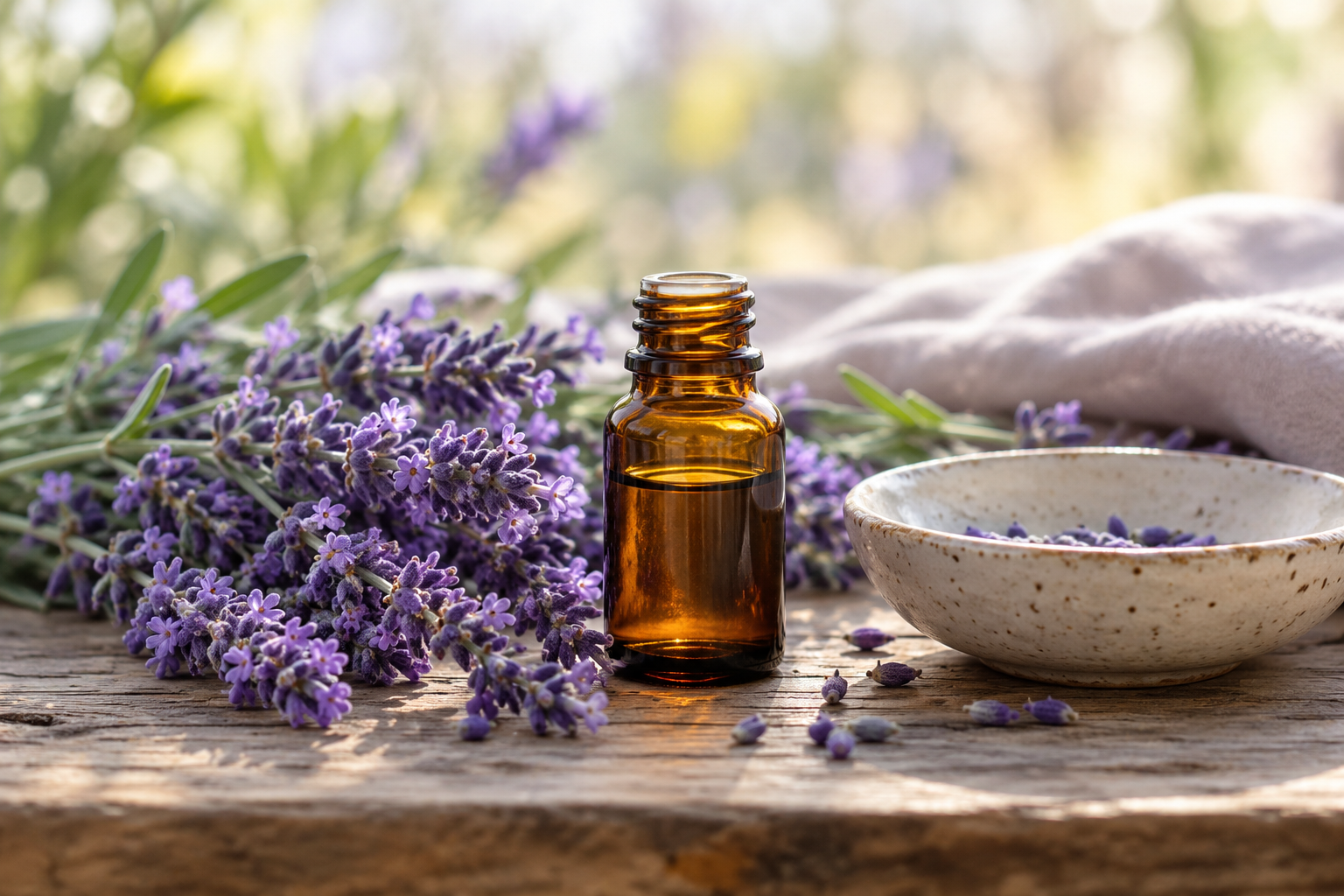
  • Peppermint Oil and Skin: Important Precautions

    Peppermint Oil and Skin: Important Precautions

    Peppermint Oil and Skin: Important Precautions is most useful when it answers a real question rather than repeating a broad promise. The right choice depends on what you are trying to change, what information is available, and how the decision fits your home, body, schedule, or budget. This guide focuses on the difference between tradition, sensory appeal, and evidence-backed expectations.

    Why Peppermint Oil and Skin deserves a closer look

    The phrase “Peppermint Oil and Skin” can sound simple, but the practical meaning changes with context. A product, ingredient, or routine can be sensible in one situation and unhelpful in another. Begin by naming the result you want from peppermint oil and skin: important precautions: more comfort, clearer information, less waste, a calmer transition, or a more consistent habit.

    For essential oils and aromatherapy, the useful question is not whether something sounds appealing. It is whether the details support the way you plan to use it. Look for clear instructions, realistic limits, and enough information to compare it with another option.

    Start with the situation behind Peppermint Oil and Skin

    Before changing anything, notice when the question comes up. If you are choosing a product, identify the job it needs to do. If you are building a routine, identify the moment it should support. If you are reducing waste, identify what you already use and why it gets replaced. This small bit of context prevents a general recommendation from becoming an unnecessary purchase or an overly ambitious plan.

    It also helps to separate the immediate experience from the larger claim. A pleasant scent, a rich lather, a tidy counter, or a promising label can be valuable, but each is only one part of the decision. Give more weight to transparent information and to what happens consistently in your own use.

    The details that shape Peppermint Oil and Skin

    • How the ingredient is used.
    • Whether concentration and contact time matter.
    • Which precautions apply.

    These checks give Peppermint Oil and Skin a practical boundary. They help you compare like with like and make it easier to notice when a product or habit is not meeting its purpose. Keep the first change small enough that you can tell what caused an improvement—or a problem.

    A practical way to try Peppermint Oil and Skin

    Try the simplest version first: treat the botanical as one part of the formula and follow the maker’s directions. Use it under ordinary conditions rather than waiting for a perfect day. If you are testing a skin or fragrance product, avoid introducing several new variables at once. If you are changing a self-care or sustainability habit, make the setup visible and convenient so the action does not depend on extra motivation.

    Give yourself a clear review point. Ask whether the choice was comfortable, useful, affordable, and realistic to continue. A result that looks impressive once but creates friction every day is usually less valuable than a modest option you can maintain.

    Questions to ask before deciding on Peppermint Oil and Skin

    Ask what the maker or source explains clearly, what the directions assume, and what limitations are easy to miss. Consider who else may be affected: children, pets, people with reactive skin, housemates with different preferences, or anyone sharing the product. When the question involves a persistent reaction or significant distress, seek qualified professional guidance instead of trying to solve it through repeated product changes.

    For a purchase, also ask whether you can use what you already have, whether the packaging is proportionate to the product, and whether a less complicated choice would do the same job. For a routine, ask whether it still works during a busy week. Good decisions remain useful when circumstances are ordinary.

    What to remember about Peppermint Oil and Skin

    Peppermint Oil and Skin: Important Precautions does not require a perfect formula or a flawless routine. Start with the actual purpose, check the details that matter, make one manageable change, and pay attention to the result. That approach keeps the decision grounded in evidence and lived experience rather than in repetition or exaggerated promises.

    Educational note: This article is for general information and is not a substitute for medical, mental-health, or professional advice.

  • Lavender Oil: What People Use It For

    Lavender Oil: What People Use It For

    Lavender Oil: What People Use It For is most useful when it answers a real question rather than repeating a broad promise. The right choice depends on what you are trying to change, what information is available, and how the decision fits your home, body, schedule, or budget. This guide focuses on the difference between tradition, sensory appeal, and evidence-backed expectations.

    Why Lavender Oil deserves a closer look

    The phrase “Lavender Oil” can sound simple, but the practical meaning changes with context. A product, ingredient, or routine can be sensible in one situation and unhelpful in another. Begin by naming the result you want from lavender oil: what people use it for: more comfort, clearer information, less waste, a calmer transition, or a more consistent habit.

    For essential oils and aromatherapy, the useful question is not whether something sounds appealing. It is whether the details support the way you plan to use it. Look for clear instructions, realistic limits, and enough information to compare it with another option.

    Start with the situation behind Lavender Oil

    Before changing anything, notice when the question comes up. If you are choosing a product, identify the job it needs to do. If you are building a routine, identify the moment it should support. If you are reducing waste, identify what you already use and why it gets replaced. This small bit of context prevents a general recommendation from becoming an unnecessary purchase or an overly ambitious plan.

    It also helps to separate the immediate experience from the larger claim. A pleasant scent, a rich lather, a tidy counter, or a promising label can be valuable, but each is only one part of the decision. Give more weight to transparent information and to what happens consistently in your own use.

    The details that shape Lavender Oil

    • How the ingredient is used.
    • Whether concentration and contact time matter.
    • Which precautions apply.

    These checks give Lavender Oil a practical boundary. They help you compare like with like and make it easier to notice when a product or habit is not meeting its purpose. Keep the first change small enough that you can tell what caused an improvement—or a problem.

    A practical way to try Lavender Oil

    Try the simplest version first: treat the botanical as one part of the formula and follow the maker’s directions. Use it under ordinary conditions rather than waiting for a perfect day. If you are testing a skin or fragrance product, avoid introducing several new variables at once. If you are changing a self-care or sustainability habit, make the setup visible and convenient so the action does not depend on extra motivation.

    Give yourself a clear review point. Ask whether the choice was comfortable, useful, affordable, and realistic to continue. A result that looks impressive once but creates friction every day is usually less valuable than a modest option you can maintain.

    Questions to ask before deciding on Lavender Oil

    Ask what the maker or source explains clearly, what the directions assume, and what limitations are easy to miss. Consider who else may be affected: children, pets, people with reactive skin, housemates with different preferences, or anyone sharing the product. When the question involves a persistent reaction or significant distress, seek qualified professional guidance instead of trying to solve it through repeated product changes.

    For a purchase, also ask whether you can use what you already have, whether the packaging is proportionate to the product, and whether a less complicated choice would do the same job. For a routine, ask whether it still works during a busy week. Good decisions remain useful when circumstances are ordinary.

    What to remember about Lavender Oil

    Lavender Oil: What People Use It For does not require a perfect formula or a flawless routine. Start with the actual purpose, check the details that matter, make one manageable change, and pay attention to the result. That approach keeps the decision grounded in evidence and lived experience rather than in repetition or exaggerated promises.

    Educational note: This article is for general information and is not a substitute for medical, mental-health, or professional advice.